World Cup First-Time Qualifiers: DR Congo, Iraq & More
The 2026 World Cup first-time qualifiers include nations ending historic droughts and one true debutant: DR Congo (52-year wait), Iraq (40-year wait), Turkiye (24-year wait), and Jordan (first-ever appearance). Their qualification came through the expanded 48-team format and tense intercontinental playoffs, with coaches like Sebastien Desabre and Graham Arnold orchestrating the breakthroughs.
Most articles just list the names. They miss the smell of burnt flares in Kinshasa, the chaos of Iraq’s travel plans, and the specific moment a defender’s first international goal sent an entire nation into a frenzy it hadn’t felt in half a century. That’s the story.
This guide breaks down each historic qualification, the key figures behind them, and what their return means for the 2026 tournament in North America.
Key Takeaways
- DR Congo qualified for their first World Cup since 1974 (as Zaire) with an extra-time winner from Axel Tuanzebe against Jamaica.
- Iraq ended a 40-year absence by beating Bolivia 2-1, overcoming significant travel disruptions to reach the playoff.
- Turkiye returned after 24 years with a 1-0 playoff win over Kosovo, led by coach Vincenzo Montella.
- Jordan is the only true first-time qualifier, marking their historic debut after navigating the Asian Football Confederation’s (AFC) qualification path.
- The expanded 48-team 2026 World Cup format directly created the playoff slots that allowed these nations their chance.
The Historic Returners: Long-Droughts Broken
The most compelling stories from the 2026 qualifiers aren’t about the giants. They’re about nations whose World Cup memories are measured in generations, not cycles. For DR Congo, Iraq, and Turkiye, qualification wasn’t just a football match. It was a national exorcism.
DR Congo’s qualification for the 2026 FIFA World Cup ends a 52-year absence, dating back to their sole previous appearance as Zaire in 1974. The team defeated Jamaica 1-0 in an intercontinental play-off final in Guadalajara, Mexico, with the winning goal scored in the 100th minute of extra time by defender Axel Tuanzebe.
The Leopards’ journey under French coach Sebastien Desabre is a masterclass in stability. Appointed in 2022, he built a cohesive unit that reached the 2023 Africa Cup of Nations semi-finals. His critical move was convincing a wave of diaspora talent, players like Axel Tuanzebe and Aaron Wan-Bissaka, to represent the nation of their heritage. That recruitment wasn’t just about skill. It was about instilling a cold, professional mentality into a side known for fluctuating passion. The payoff came in a grinding playoff against Jamaica. Tuanzebe, scoring his first-ever international goal, didn’t just win a game. He closed a 52-year chapter of what-ifs. According to the France 24 DR Congo World Cup report, the victory triggered celebrations across the country unseen since their 1974 qualification.
Iraq’s story carries a different weight. Their last World Cup was 1986. Decades of conflict and instability followed. Australian coach Graham Arnold, hired specifically for this mission, faced a logistical nightmare just getting his team to the playoff final in Mexico. Regional tensions caused severe travel disruptions. Arnold publicly pleaded for a delay. They arrived late, exhausted. Then they beat Bolivia 2-1. The Al Jazeera Iraq World Cup qualification coverage captured the raw emotion of a squad and a nation releasing decades of pent-up frustration. Arnold’s achievement, taking a second nation to the World Cup, is a stark lesson in pragmatic, resilient management.
Turkiye’s wait was “only” 24 years, but for a football-mad nation with their talent pool, it felt like a century. Their golden generation of 2002, which finished third, had become a fading benchmark. Under Italian coach Vincenzo Montella, a new mix of exciting youth (like Kerem Akturkoglu) and seasoned campaigners finally broke through with a tense 1-0 win in Kosovo. The relief was palpable. As detailed in the Al Jazeera Turkiye World Cup return story, the victory signified a return to the global stage they believe they belong on.
TL;DR: DR Congo, Iraq, and Turkiye ended 52, 40, and 24-year World Cup absences, respectively, through tense playoff wins driven by strategic coaching and key diaspora players.
The Newcomer: Jordan’s Historic Debut
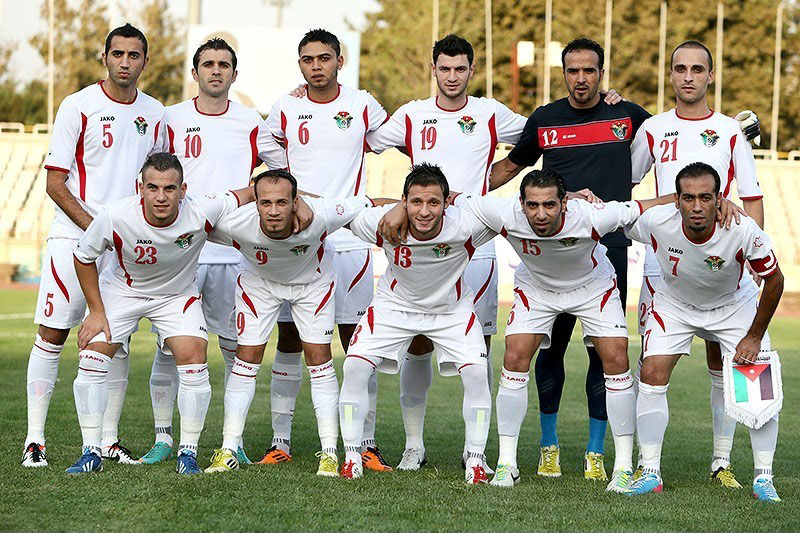
Photo: Javid Nikpour / Wikimedia Commons / CC BY 4.0
Among the teams ending long waits, one nation stands apart: Jordan. They are not returning. They are arriving. For the first time in their history, the Jordanian national team will play at a FIFA World Cup finals. This is the purest form of a “first-time qualifier.”

Their path came through the Asian Football Confederation’s (AFC) qualification process, which grew more competitive with the expansion of the 2026 tournament. They navigated a group stage and subsequent playoff rounds, a marathon test of consistency that many larger footballing nations in Asia failed. The core of their squad plays in the domestic Jordanian Pro League, a fact that makes their achievement resonate even deeper. It’s a triumph of local development and tactical discipline over financial might.
The reaction in Jordan was instant and overwhelming. Online forums and streets flooded with celebrations. One fan’s comment on a popular football forum summed it up: “Never in my life nor my father’s life did we ever think we would see this.” This qualification will redefine football in the country. It guarantees massive financial rewards from FIFA, which will inevitably be pumped into youth infrastructure and league development. For a full perspective on how teams navigate these paths, our article on the global qualifying tournaments breaks it down.
TL;DR: Jordan is the only true debutant for 2026, qualifying through the AFC system with a domestically-based squad, marking a transformative moment for the nation’s football.
How the 2026 Expansion Changed the Game
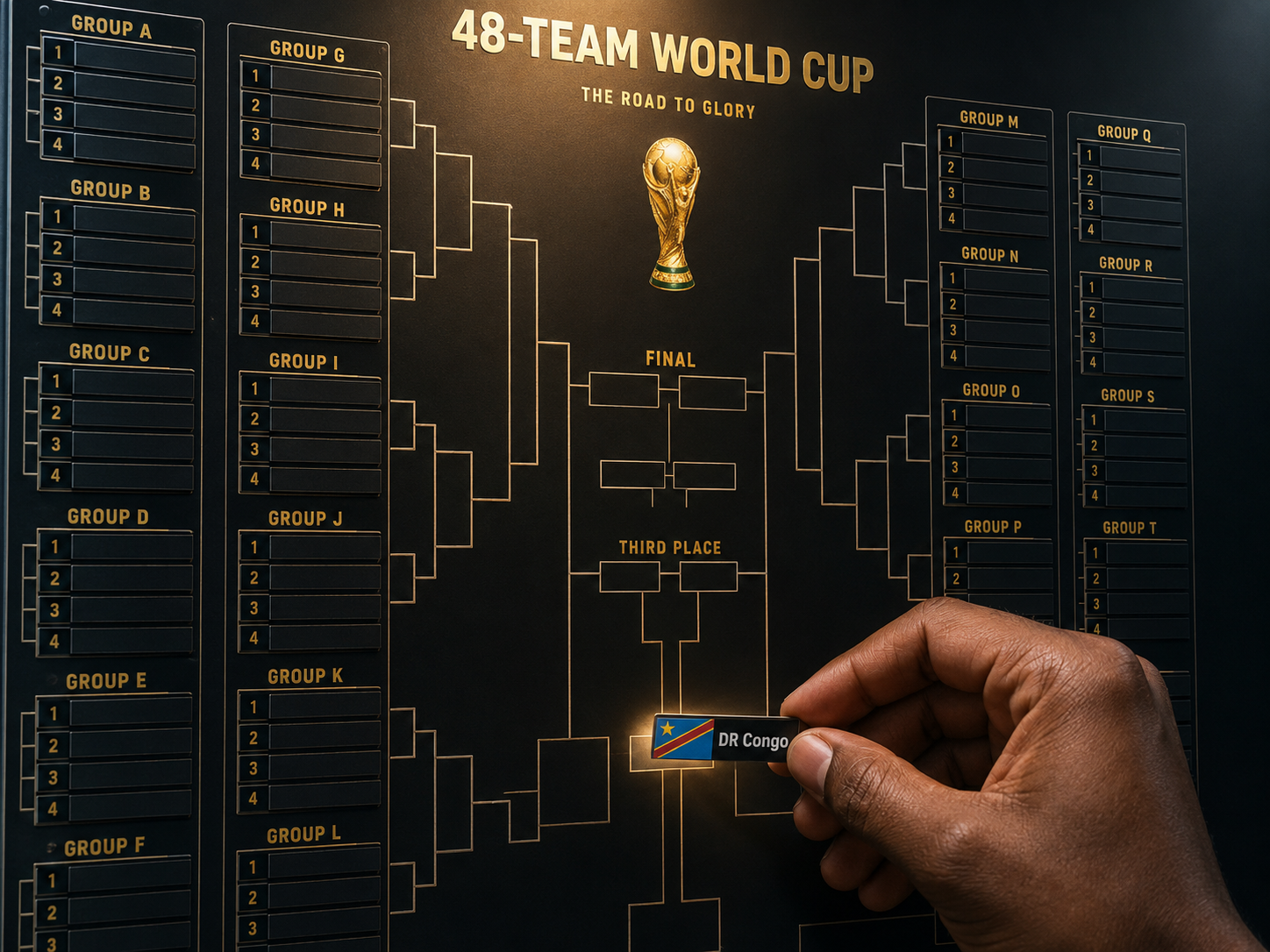
To understand why these historic qualifications happened now, you must look at the tournament structure. The 2026 World Cup is an expanded 48-team tournament, a significant jump from the 32 teams in 2022. This expansion created additional qualification slots for every confederation.
The most direct route for DR Congo and Iraq was the intercontinental playoff. This system reserved spots for the highest-ranked nations that hadn’t qualified directly through their confederation. Because they had strong FIFA rankings, bolstered by Desabre’s and Arnold’s work, both were seeded directly into one-off finals. Win one game, and you’re in. Lose, and the wait continues. The pressure is absolute, but the opportunity is crystal clear.
Common mistake: Assuming the expanded format makes qualification easy, the playoff finals were single-elimination matches often decided in extra time or by a single goal, with national legacies on the line.
This new structure is a fundamental differences from 2022 World Cup. More slots mean more dreams stay alive deeper into the qualifying cycle. It rewarded nations that built consistent, well-ranked teams, even if they finished just outside the automatic spots in their region. For the latest analysis on how the new format shapes the competition, check our 2026 tournament updates.
| Team | Years Since Last WC | Qualification Method | Decisive Moment |
|---|---|---|---|
| DR Congo | 52 (1974) | Intercontinental Playoff Final | Axel Tuanzebe 100th-minute extra-time winner vs Jamaica |
| Iraq | 40 (1986) | Intercontinental Playoff Final | 2-1 victory over Bolivia amid travel chaos |
| Turkiye | 24 (2002) | UEFA Playoff | Kerem Akturkoglu 53rd-minute goal vs Kosovo |
| Jordan | First Appearance | AFC Qualification Path | Topping their final qualifying group |
The Road Ahead: Group Stage Reality
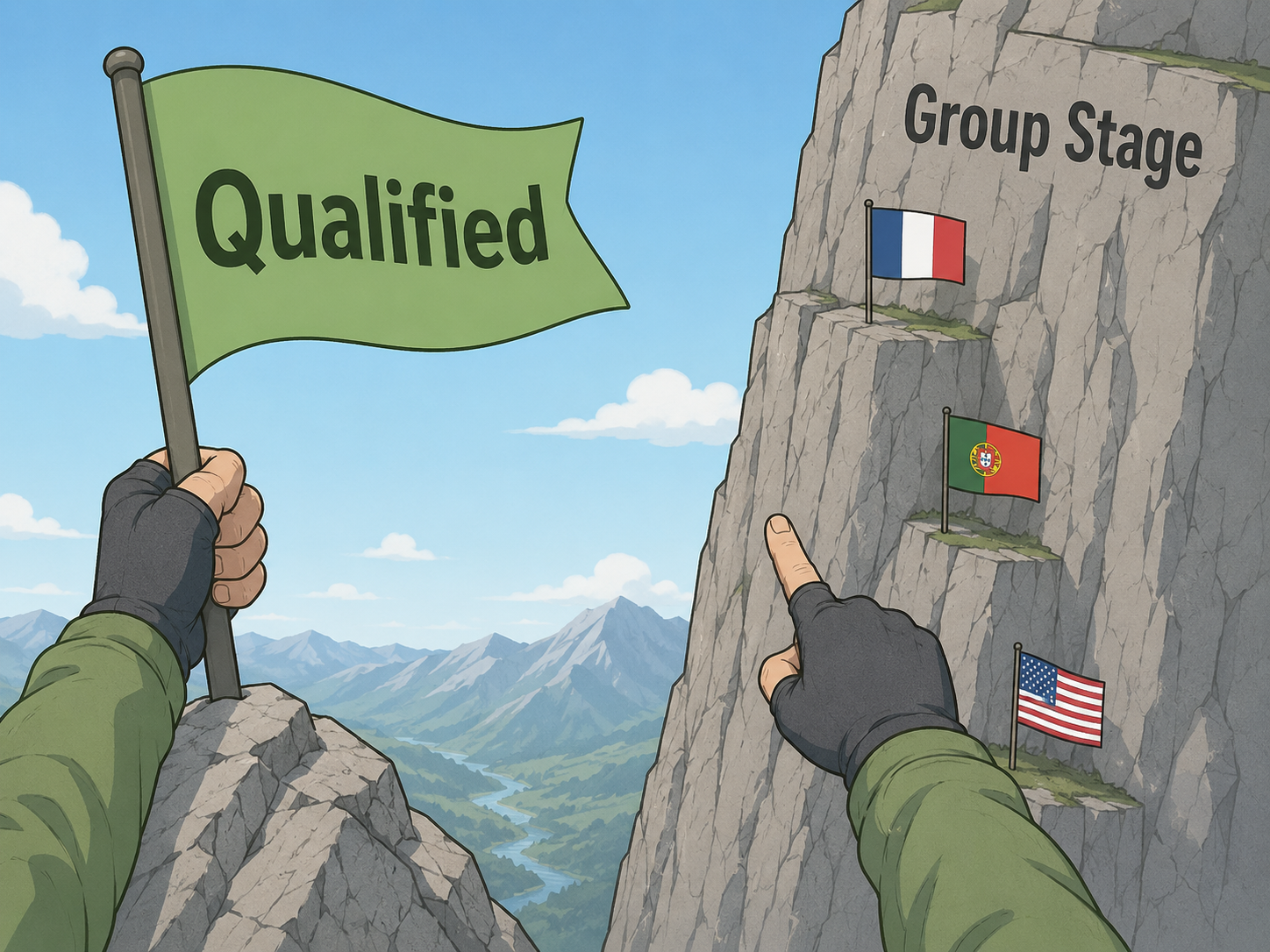
Qualification is the summit of one mountain. The World Cup group stage is the base camp of a much taller one. The draw has not been kind to these returning heroes.
Iraq landed in Group I alongside France, the reigning world champions from 2018 and perennial contenders. They also face a strong Senegal side and Norway. It’s arguably the “group of death” for any newcomer. DR Congo must contend with Portugal and Colombia in Group K. Turkiye’s Group D with the United States, Paraguay, and Australia is slightly more open, but remains a fierce challenge.
The goal for these teams is not necessarily advancement. It is respectability. A single victory, or even a memorable draw, would cement their return as a success and build a foundation for the next cycle. The financial windfall from participation will be immense, but the pride of competing on the world’s biggest stage in iconic 2026 host cities is the real prize. For a complete view of their challenges, see the official 2026 schedule.
TL;DR: DR Congo and Iraq face brutally tough groups against former champions, making a single positive result a more realistic and celebrated target than progression.
The Bigger Picture: What This Means for Football
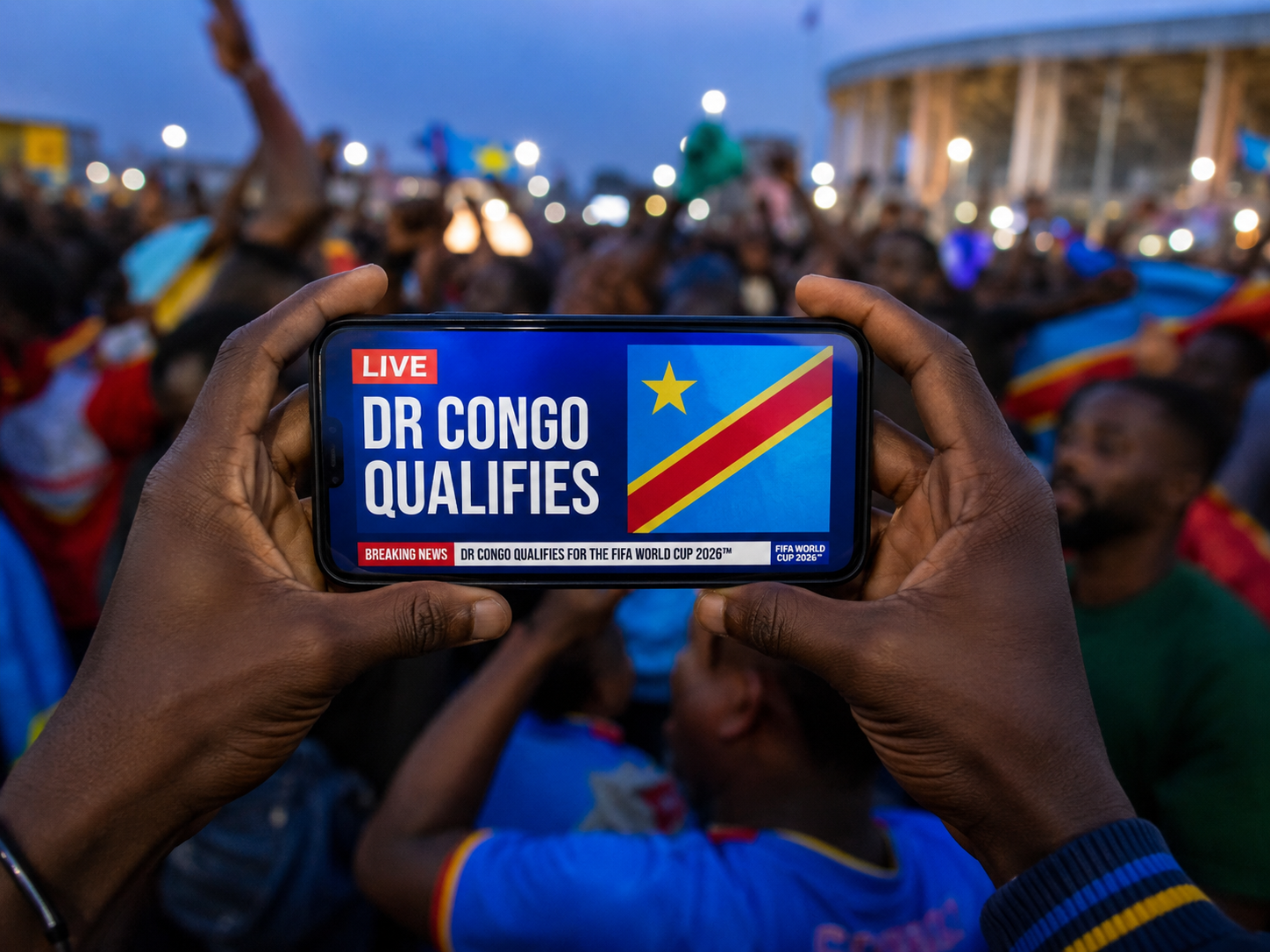
The inclusion of these nations is the exact outcome FIFA hoped for with expansion. It globalizes the tournament’s narrative beyond the usual European and South American powerhouses. It injects fresh stories, unfamiliar styles, and passionate new fan bases into the 48-team competition.
For countries like DR Congo and Iraq, this is more than sport. It is a moment of unified national joy, a rare positive story that transcends political and social divisions. The images of celebration broadcast worldwide are priceless for national morale. Furthermore, the FIFA financial distribution to participating nations, which will be in the tens of millions of dollars, will provide a crucial influx of cash for football development at all levels.
This cycle proves a model for other aspiring nations: hire a competent long-term coach, build a coherent system, and leverage the diaspora. The expanded format offers a tangible reward for that project. While the 2026 tournament favorites will still likely come from the traditional elite, the tournament will be richer for the presence of these historic qualifiers. To track all teams that have made it, consult the full list of qualifiers.
Frequently Asked Questions
Is Jordan the only first-time qualifier for 2026?
Yes. While DR Congo, Iraq, and Turkiye are returning after long absences, Jordan had never before qualified for a FIFA World Cup finals. Their debut is the truest “first-time” story of the 2026 cycle.
How did DR Congo qualify for the 2026 World Cup?
DR Congo qualified by winning a single-match intercontinental playoff final. As a seeded team due to their FIFA ranking, they bypassed earlier rounds and faced Jamaica in Guadalajara, Mexico. Defender Axel Tuanzebe scored the only goal in the 100th minute of extra time for a 1-0 victory.
When was the last time Iraq played in the World Cup?
Iraq’s last and only previous World Cup appearance was in 1986. They qualified for the 2026 edition by defeating Bolivia 2-1 in an intercontinental playoff final, ending a 40-year wait.
What group is DR Congo in for the 2026 World Cup?
DR Congo is drawn in Group K for the 2026 World Cup. Their opponents are Portugal, Colombia, and Uzbekistan. It is a challenging group that will test their defensive organization built under coach Sebastien Desabre.
How does the 48-team format help first-time qualifiers?
The expanded 48-team format creates more qualification slots for each continental confederation (like Asia and Africa) and introduces intercontinental playoff spots for high-ranked teams that just missed automatic qualification. This provides a clearer, albeit high-pressure, path for nations on the cusp of breaking through.
Before You Go
The story of the 2026 World Cup qualifiers is defined by patience rewarded. DR Congo waited 52 years, Iraq 40, and Turkiye 24. Jordan waited forever. Their successes, forged in playoff tension and built on long-term planning, are the soul of international football. It’s a reminder that the World Cup’s greatest magic isn’t just who lifts the trophy, but who finally gets to dance at the party. Follow their journeys, and those of other contenders like Israel’s 2026 qualification hopefuls, as the 2026 match schedule takes shape. These teams have already won. Everything from here is a bonus.
I come from the “soccer heart” of Germany, the Ruhrpott. I have played, trained and followed soccer all my life and am a big fan of FC Schalke 04. I also enjoy following international soccer extensively.