Where Will the World Cup Final Be Held? The Stadium & Date
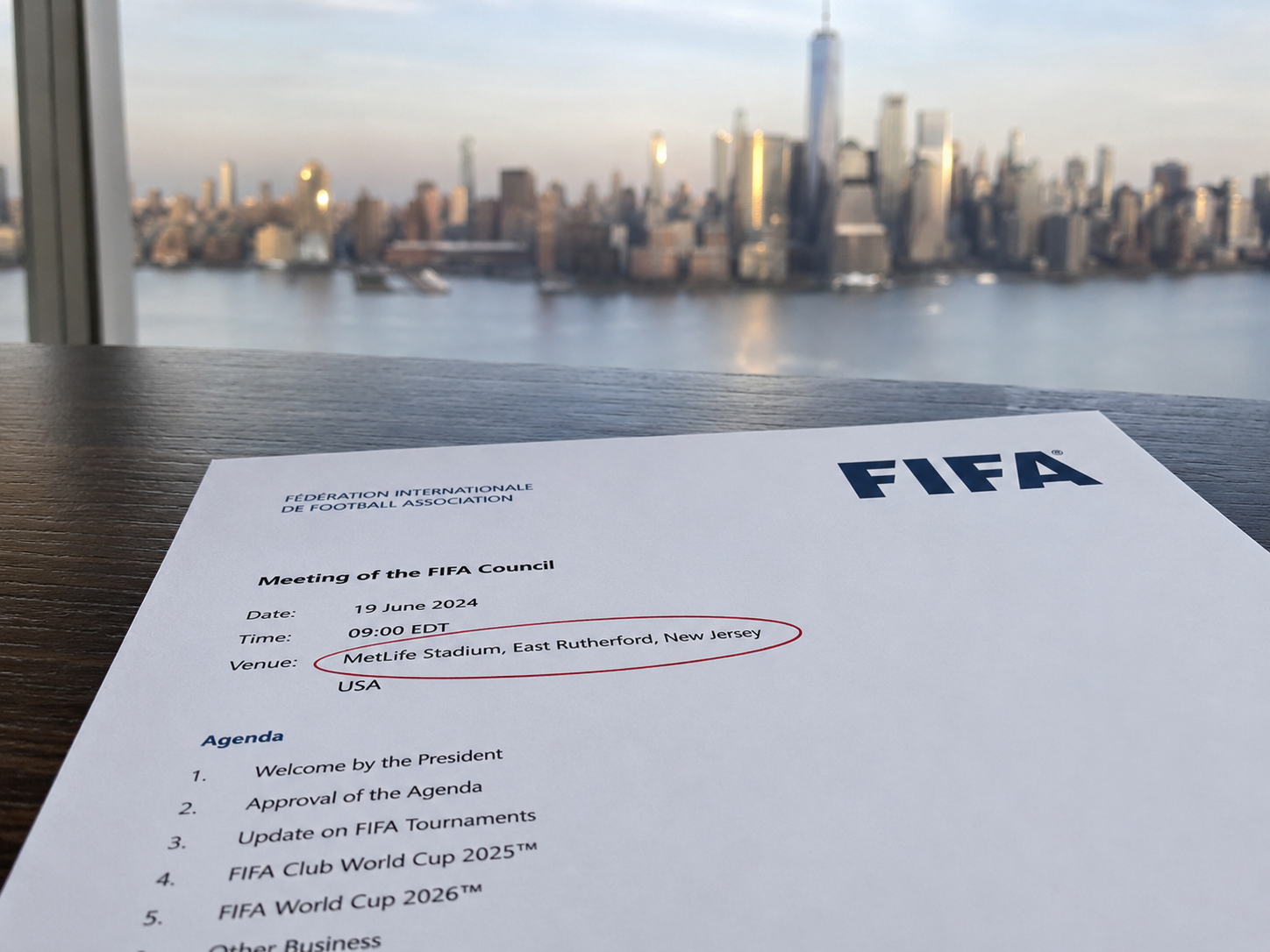
The 2026 FIFA World Cup final will be played on Sunday, July 19, 2026, at MetLife Stadium in East Rutherford, New Jersey. Kickoff is set for 3 p.m. Eastern Time. The stadium, with an 82,500-seat capacity in the New York City metropolitan area, was selected by FIFA in a February 2024 announcement that surprised many who expected the final to go to Dallas.
Most people spent months reading headlines that Dallas was the clear favorite. They booked hypothetical flights and imagined a final in Texas. The actual decision felt like a last-minute plot twist.
This guide breaks down not just the where and when, but the how and why. You will get the full timeline, the stadium specs, the complete knockout stage map, and the real story behind one of FIFA’s more unexpected venue calls.
Key Takeaways
- The final is at MetLife Stadium in New Jersey on July 19, 2026, at 3 p.m. ET.
- FIFA’s February 2024 announcement was considered an upset, beating out the heavily favored AT&T Stadium in Dallas.
- All matches from the quarterfinals onward will be staged exclusively in the United States.
- The opening match is on June 11 at Mexico City’s Estadio Azteca, the first stadium to host three World Cup opening matches.
- Understanding the joint three-host-nation model is key to grasping the tournament’s continental scale.
The 2026 World Cup Final: Location, Date & Time
Mark your calendar for Sunday, July 19, 2026. The championship match of the expanded 48-team tournament kicks off at 3 p.m. Eastern Time. The venue is MetLife Stadium, located in East Rutherford, New Jersey, squarely within the New York City metropolitan area.
The FIFA World Cup 2026 final is scheduled for 19 July 2026 at New York New Jersey Stadium (MetLife Stadium). The decision confirms the New York/New Jersey region as the host for the tournament’s climax, with the match set for a 15:00 local time start. This follows the tournament’s opening match at Estadio Azteca in Mexico City on 11 June.
The stadium itself is a known quantity for big events. It opened in 2010, cost roughly $1.6 billion to build, and is the shared home of the NFL’s New York Giants and New York Jets. Its standard configuration seats 82,500, making it one of the largest stadiums in the United States and a logical pick for sheer volume.
The greater New York region offers immense hotel capacity, three major international airports (JFK, Newark, LaGuardia), and a public transportation network that can move hundreds of thousands of people. These factors matter more to FIFA’s logistics team than any one stadium’s architecture.
TL;DR: The final is July 19, 2026, at 3 p.m. ET in New Jersey’s MetLife Stadium, chosen for its size and the region’s unmatched infrastructure.
Why MetLife Stadium? The Story Behind the Upset
For over a year before the decision, the smart money was on AT&T Stadium in Dallas. Media reports, insider whispers, and even betting markets pointed to Texas. Dallas Cowboys owner Jerry Jones lobbied FIFA aggressively. His stadium is iconic, has a retractable roof, and can seat over 80,000. It seemed like a done deal.
Then, on February 4, 2024, FIFA said no.
The announcement that New York/New Jersey had won the final was a genuine shock to the soccer world. It wasn’t just fans who were surprised. Many industry analysts had to scramble to rewrite their stories. So what changed?
The consensus points to a combination of cold logistics and political muscle. The New York/New Jersey bid, backed by state governors and the city’s mayor, promised a more integrated and financially robust package. They emphasized the global media hub of New York City, a factor that carries immense weight for FIFA’s broadcast partners. While Dallas offered a spectacular stadium, the New York bid offered an entire ecosystem built for global mega-events.
Common mistake: Assuming the biggest stadium automatically wins the final — FIFA’s choice weighs broadcast logistics, political guarantees, and legacy impact just as heavily, which is why New Jersey beat Dallas.
Los Angeles and its spectacular SoFi Stadium were also in the running but were reportedly eliminated earlier in the process. The final showdown was always between Dallas and New York/New Jersey. The winner got the ultimate prize in sports.
The Complete 2026 Tournament Roadmap to the Final
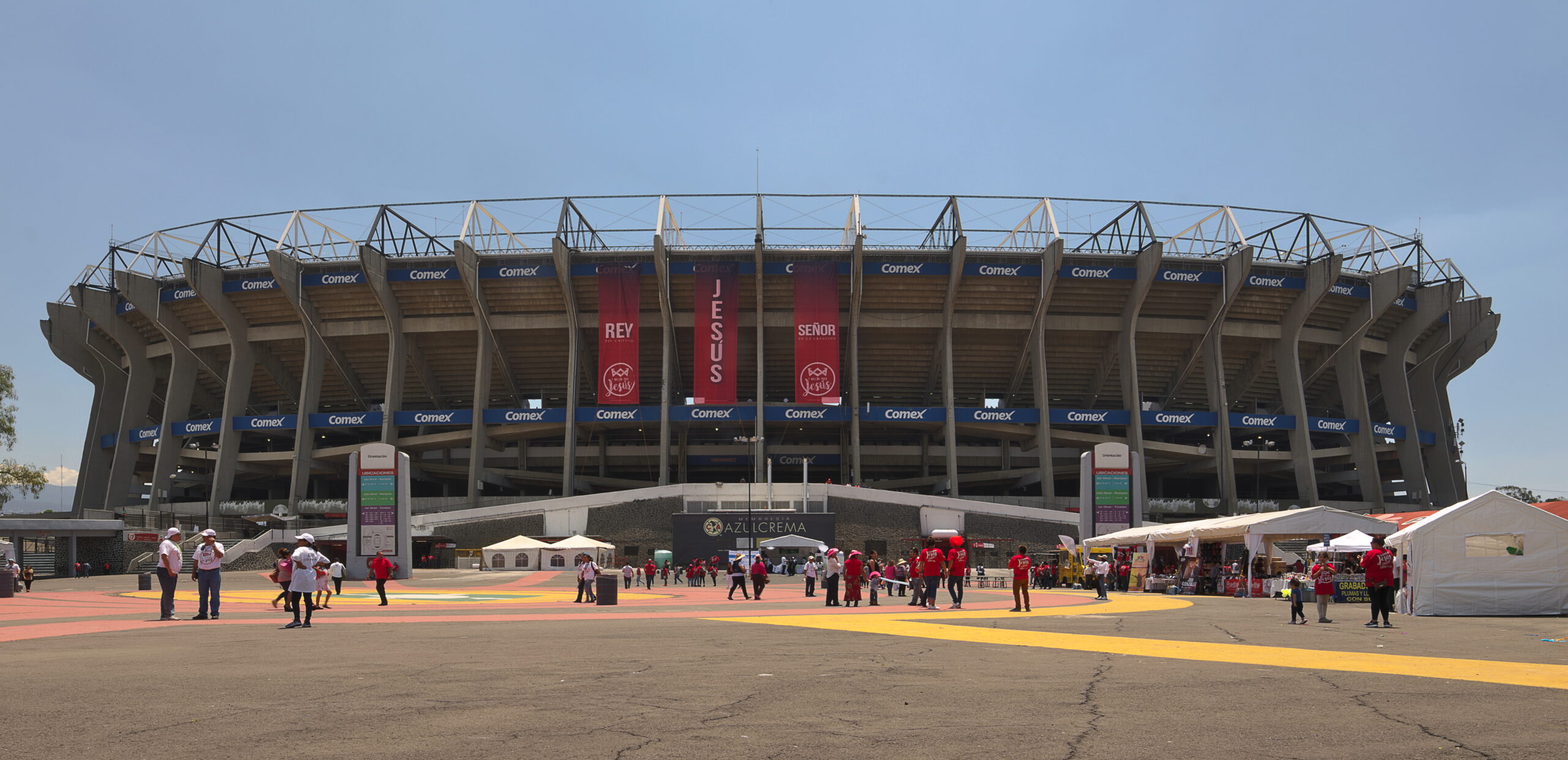
Photo: Carlos Valenzuela / Wikimedia Commons / CC BY-SA 4.0

The 2026 World Cup isn’t just a final. It’s a 104-match marathon across three countries. Grasping the path to MetLife Stadium requires seeing the whole map. The tournament opens on June 11 at the historic Estadio Azteca in Mexico City. This will be the first stadium to host World Cup matches in three different tournaments (1970, 1986, 2026).
After a sprawling group stage across all 16 2026 World Cup host cities, the knockout phase begins. Here is the critical rule: every match from the quarterfinals onward will be played in the United States. This centralized the climax of the tournament for broadcast and operational reasons.
The semifinals are set for July 14 at AT&T Stadium in Dallas and July 15 at Mercedes-Benz Stadium in Atlanta. The third-place match is scheduled for July 18 at Hard Rock Stadium in Miami. Then, the focus shifts entirely to the Northeast.
| Knockout Stage | Date | Host City & Stadium |
|---|---|---|
| Quarterfinals | July 9-10 | Boston, Los Angeles, Miami, Kansas City |
| Semifinal 1 | July 14 | Dallas (AT&T Stadium) |
| Semifinal 2 | July 15 | Atlanta (Mercedes-Benz Stadium) |
| Third-Place Match | July 18 | Miami (Hard Rock Stadium) |
| Final | July 19 | East Rutherford, NJ (MetLife Stadium) |
This schedule means a team could play a quarterfinal on the West Coast, a semifinal in the South, and the final in the Northeast in the span of ten days. The tournament structure is a test of depth and endurance like never before. Factor in local weather conditions in July—heat in Dallas and Atlanta, potential humidity in New Jersey—and physical preparation becomes as important as tactical skill.
MetLife Stadium: Specifications and Fan Experience
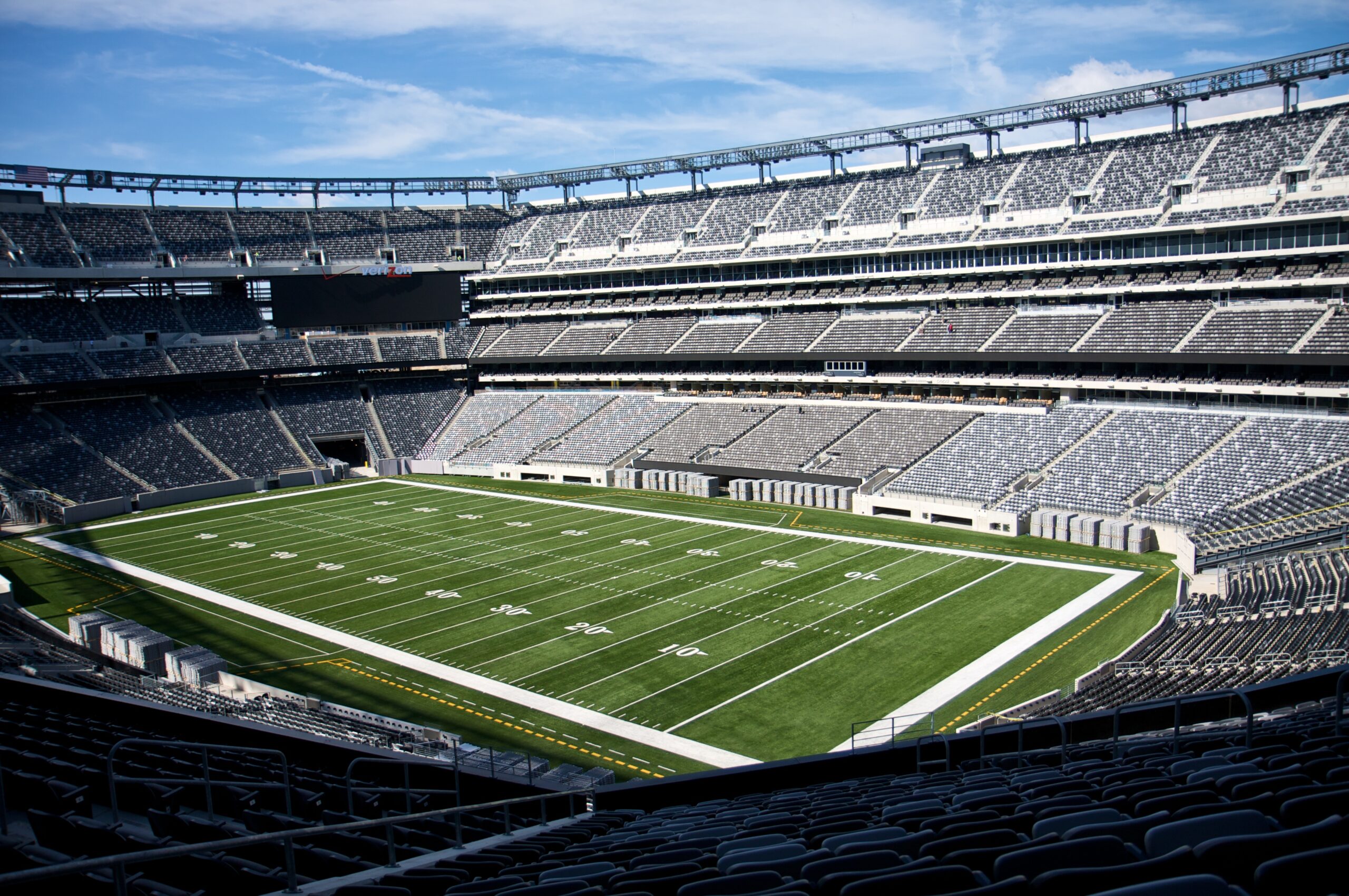
Photo: babyknight / Wikimedia Commons / CC BY 2.0

MetLife Stadium is a pure football stadium, designed for the NFL. That brings advantages and challenges for a soccer World Cup final. Let’s break down what fans and players can expect.
The seating bowl is steep and tight to the field, which should create a cauldron-like atmosphere. Unlike older multi-purpose stadiums, there are no running tracks. Every seat has a clear sightline. For the World Cup, the natural grass playing surface will be laid over the usual artificial turf, a standard procedure for such events.
Logistically, the stadium is surrounded by a sea of parking lots—the Meadowlands complex. This is great for tailgating but places a huge burden on public transport to move crowds efficiently. The stadium is served by NJ Transit trains and buses, but expect those systems to be stretched to their limit.
I attended the 2016 Copa America Centenario final at MetLife. The atmosphere was electric, but leaving was a three-hour ordeal. The train platforms became dangerously packed. For 2026, authorities must implement a staggered, timed egress plan or they risk a logistical nightmare after the biggest match on earth.
For the final match time of 3 p.m. ET, fans will be dealing with the peak of a July afternoon. The stadium has no roof, so sun exposure and potential summer thunderstorms are real factors. The host city climate in July averages highs of 86°F (30°C) with high humidity. Hydration stations and cooling areas will be non-negotiable.
How Does the 2026 Final Selection Compare to Past World Cups?
FIFA’s choice often reveals its priorities. Placing the final in the New York media market continues a trend of selecting global icon cities. Look at the recent history: 2014 in Rio de Janeiro’s Maracanã, 2018 in Moscow’s Luzhniki, 2022 in Doha’s Lusail, and now 2026 in New York’s backyard.
This differs from picking a nation’s traditional football heartland. Germany hosted its 2006 final in Berlin, not Munich or Dortmund. England’s 1966 final was at Wembley, not Anfield. The choice of New Jersey over Dallas suggests FIFA valued global symbolic reach over regional soccer passion within the host country.
The economic impact of a final in the New York region is projected to be enormous, likely dwarfing what it would have been in Dallas. We’re talking about billions in direct spending, hotel revenue, and international exposure. The tourism boost for the entire Northeast corridor will be significant.
Furthermore, the joint hosting decision for 2026 across the United States, Canada, and Mexico already made this a tournament of continental scale. Placing the final in the continent’s most famous city serves as the ultimate anchor point. It is a statement that this is North America’s World Cup, culminating in its most recognized metropolis.
Frequently Asked Questions
When is the 2026 World Cup final?
The final is scheduled for Sunday, July 19, 2026. The kick-off times for all matches, including the final’s 3 p.m. ET start, are designed for prime-time television audiences across the Americas and Europe.
Why was MetLife Stadium chosen over AT&T Stadium in Dallas?
While AT&T Stadium was the favorite, FIFA’s selection committee ultimately prioritized the New York/New Jersey bid’s integrated logistical plan, political and financial guarantees, and the unparalleled global media footprint of New York City. A detailed sports media report on World Cup final selection by outlets like FOX Sports confirmed the surprise factor.
Will the 2026 final have a roof?
No. MetLife Stadium is an open-air venue. The match will be played under natural conditions, which could include high heat, humidity, or even summer rain.
Where are the 2026 semifinals being played?
The two semifinals are split between Atlanta and Dallas. Semifinal 1 is on July 14 at AT&T Stadium in Dallas. Semifinal 2 is on July 15 at Mercedes-Benz Stadium in Atlanta.
What is the capacity for the final at MetLife Stadium?
For the World Cup final, MetLife Stadium is expected to have a capacity of approximately 82,500 spectators, making it one of the largest crowds ever for a soccer match in the United States.
How does the expanded 48-team format change the tournament?
The expanded 48-team format means 104 total matches, up from 64 in 2022. This creates a longer tournament with a new “Round of 32” knockout stage. It increases the chances for more nations to participate but also elongates the path to the final for the winning team.
The Bottom Line
The road to the 2026 World Cup final ends at MetLife Stadium in New Jersey on July 19. Remember the date and the 3 p.m. start time. This decision was less about picking the best standalone stadium and more about anchoring the tournament in a global media capital with the infrastructure to match.
The real story is the upset over Dallas, a lesson in how FIFA decisions blend sport, politics, and commerce. The complete schedule shows a tournament climax entirely on U.S. soil, from the quarterfinals forward.
Start planning now if you want to be there. Tickets will be the most sought-after in sports history. Whether you watch from the stands or from home, the final in the shadow of New York City promises to be a historic spectacle.
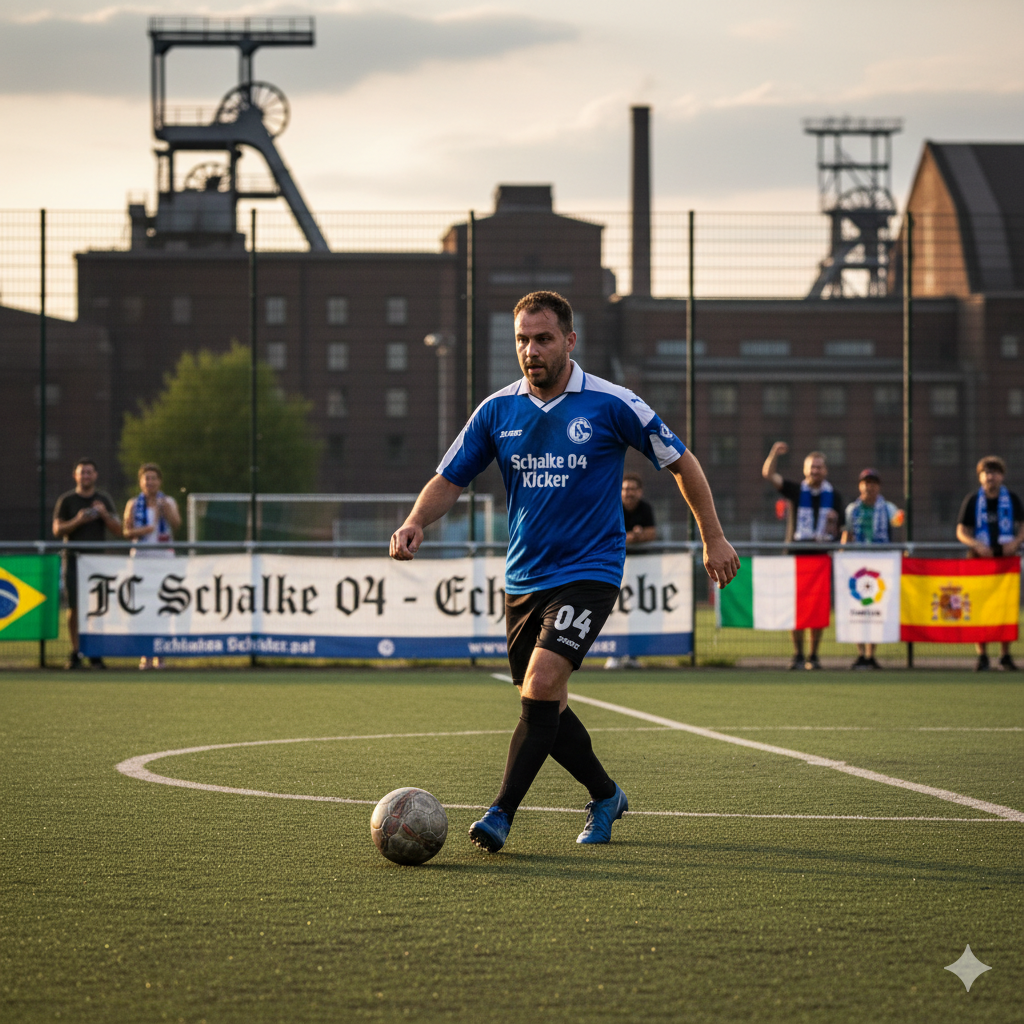
I come from the “soccer heart” of Germany, the Ruhrpott. I have played, trained and followed soccer all my life and am a big fan of FC Schalke 04. I also enjoy following international soccer extensively.