What Does Derby Mean in Soccer? The Local Rivalry Explained
In soccer, a “derby” (pronounced “DAR-bee” in the UK) specifically means a match between two teams from the same city or closely neighboring region. This local geography is the non-negotiable core of the definition, separating a true derby from a major rivalry.
Most fans get this wrong. They hear “derby” and think of any huge, heated match. But that mistake blurs the line between a local civil war and a national grudge match. The intensity feels similar, but the source is completely different.
This guide cuts through the confusion. We’ll break down the exact definition, trace the word’s contested origins, and show you how to spot a real derby every time. You’ll also learn why some of the world’s biggest games don’t qualify.
Key Takeaways
- A derby is defined by local geography, not just intensity. Two teams must be from the same city or immediate region.
- The term likely originates from “The Derby” horse race or a medieval football game in Derbyshire, England, not from soccer itself.
- “El Clásico” (Barcelona vs. Real Madrid) is the world’s most famous non-derby rivalry because the clubs are from different cities.
- Pronunciation matters: In British football circles, it’s “DAR-bee,” not “DER-bee.”
- Derby matches are uniquely volatile because they divide neighborhoods, workplaces, and even families.
The Core Definition: Geography is Everything
Forget rivalry. Forget history. The first filter is a map. If the two clubs aren’t based in the same urban area, it’s not a derby. This local proximity turns a sporting contest into a community schism. The rivalry isn’t imported; it’s homegrown, simmering in the same pubs, schools, and streets.
A local derby is a sports match between two teams from the same area. In football, this creates a uniquely intense atmosphere as local pride and bragging rights are at stake, far exceeding the points on offer. The term is applied most strictly in British football but is used globally under the same geographical rule.
This rule is why the Manchester United Liverpool rivalry, while historic and fierce, sparks debate about being called a true derby. The cities are 35 miles apart. Some stretch the term to “North West Derby,” but purists wince. True derbies are measured in city blocks, not motorway miles.
TL;DR: If you can’t take a short city bus or walk between the two stadiums, it’s probably not a derby.
Why Geography Creates Unmatched Intensity
Local proximity multiplies the stakes. A loss in a derby isn’t just a bad weekend; it’s six months of grief from your neighbor, your brother-in-law, or your boss. The fans live intertwined lives. This intimacy fuels a raw, tribal passion that national rivalries can’t replicate. I’ve felt this in Gelsenkirchen. When Schalke plays Borussia Dortmund, the entire Ruhr region holds its breath. It’s not just football.
The table below shows how derby intensity scales with proximity, using real-world examples.
| Proximity Level | Example Derby | Stadium Distance | Fan Dynamic |
|---|---|---|---|
| Same Street | Dundee vs. Dundee Utd (Scotland) | ~100 meters | Literally neighbors; away players walk to the ground. |
| Same City (Different Boroughs) | Arsenal vs. Tottenham (North London) | ~4 miles | Cross-city divide; defines North London identity. |
| Same Region | Newcastle vs. Sunderland (Tyne-Wear) | ~12 miles | Historic inter-city rivalry within a small region. |
| Not a Derby | Barcelona vs. Real Madrid | ~380 miles | National rivalry, massive globally, but not local. |
Where Did the Word “Derby” Come From?
No one owns the definitive answer. The word drifted into football from other parts of English culture, and three main theories compete. The horse-racing story is the cleanest, but the messier, older football tale feels more authentic.
Theory 1: The Horse Race (The Clean Story)
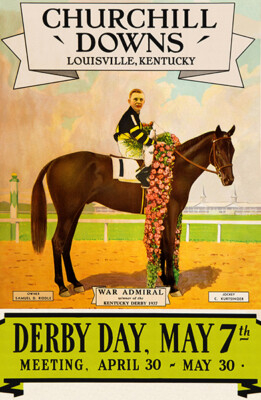
The most cited origin points to “The Derby,” the famous horse race founded by the 12th Earl of Derby in 1780. The race’s prestige made “derby” a synonym for any important contest. By the late 1800s, newspapers began using it for notable local football matches. This theory is neat and well-documented in early sports journalism.
Theory 2: The Medieval Football Game (The Muddy Story)
A older, darker origin comes from Derbyshire, England. The town of Ashbourne has hosted a brutal Shrovetide football match since the 12th century. The game pits the “Up’ards” and “Down’ards” – teams from opposite sides of the same town – in a chaotic, rule-light struggle. Calling a local football match a “derby” could directly reference this ancient Ashbourne derby tradition of town-on-town competition. This feels right for football’s grassroots.
Theory 3: The Merseyside Connection (The Specific Story)
A third theory ties it directly to football. In 1914, a newspaper report on the Liverpool vs. Everton match called it a “local derby,” possibly because the game was played near land owned by the Earl of Derby. The phrase caught on locally and then spread. This explains the origin of the term derby in a purely football context, even if the word itself came from elsewhere.
Common mistake: Believing the term was invented by football. It wasn’t. Football adopted and specialized a word that already meant a major contest between locals, whether on horseback or in a muddy river.
Famous Derby Examples Around the World
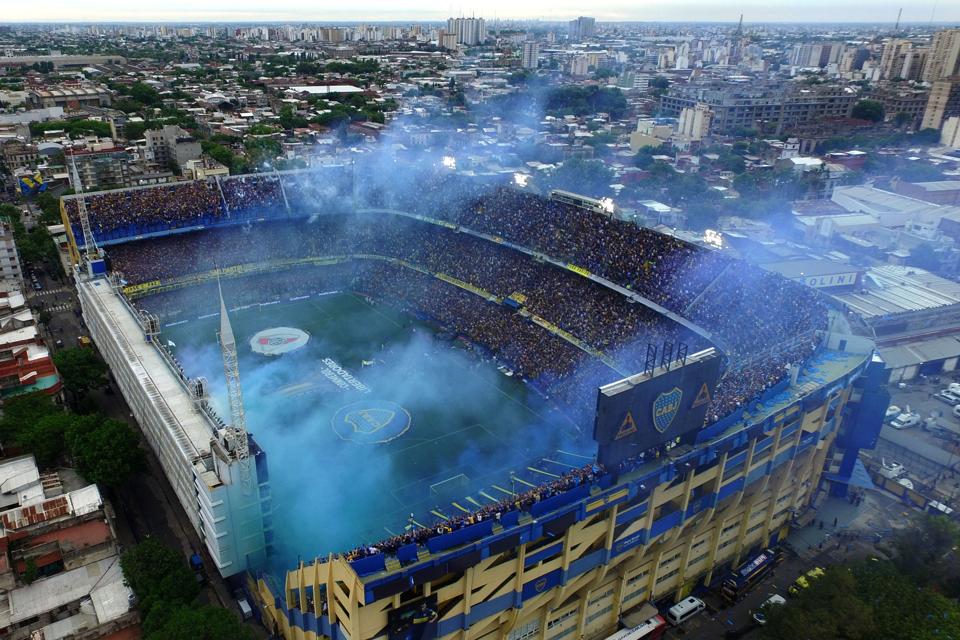
Derbies are global. The format exports perfectly because every city with two clubs feels the same tension. Here are the blueprints.
European Derbies: History and Hatred
- The Merseyside Derby (Liverpool vs. Everton): The friendly derby? Don’t be fooled. The family splits are deep. The two grounds, Anfield and Goodison Park, are separated only by Stanley Park, making it a pure geographic feud.
- The Old Firm Derby (Celtic vs. Rangers): This is the Glasgow derby amplified by centuries of religious and political division. It’s the definitive example of a derby that is about far more than football. The Celtic Rangers rivalry history is a societal fault line.
- Madrid Derby (Real Madrid vs. Atletico Madrid): The city’s class divide played out on the pitch. Royalty vs. the working class. Even as Atleti has risen, the local bragging rights in the Spanish capital remain the ultimate prize.
The Americas: Passion and Proximity
- Superclásico (Boca Juniors vs. River Plate): The Buenos Aires derby is arguably the most explosive on earth. The clubs’ stadiums are in the same city district, La Boca. The rivalry is visceral, artistic, and defines Argentine football.
- Clássico dos Clássicos (Flamengo vs. Fluminense – Rio de Janeiro): Another city split along social lines, with a rivalry that fills the Maracanã and stops Rio in its tracks.
The Great “Non-Derby”: El Clásico
This is the most important lesson. El Clásico – Barcelona vs. Real Madrid – is not a derby. It is the world’s greatest club rivalry. The stakes are monumental: politics, history, culture. But Barcelona and Madrid are over 600 kilometers apart. Calling it a derby is simply incorrect. It’s a rivalry on a national scale. The El Clásico name origin relates to it being “the classic” match, not a local one.
I used to call it a derby too. Then I moved to Germany and experienced a real one – the Revierderby. The difference is in the air the week before. In a derby, the enemy is in your supermarket queue. In El Clásico, the enemy is in another part of the country. Both are fierce, but only one is local.
Derby vs. Rivalry: What’s the Actual Difference?
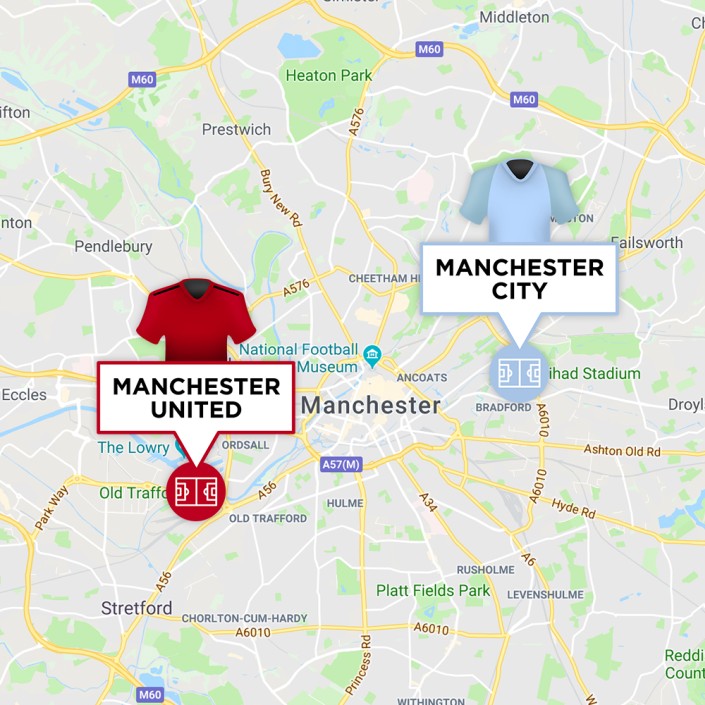
This is the crucial distinction most commentators blur. All derbies are rivalries, but not all rivalries are derbies.
| Aspect | Derby | Major Rivalry (Non-Derby) |
|---|---|---|
| Core Driver | Geographic proximity (same city/region) | History, competition, politics, religion |
| Fan Interaction | Daily, personal (neighbors, coworkers) | Periodic, often mediated by media |
| Bragging Rights | Local, immediate, social | National/global, sporting |
| Example | Manchester United vs. Manchester City | Manchester United vs. Liverpool |
| Atmosphere | Raw, tribal, personal | Theatrical, historic, grand |
The Bayern Dortmund rivalry (Der Klassiker) is a prime case study. It’s Germany’s biggest match. It’s a fierce rivalry born of recent sporting competition. But Munich and Dortmund are over 500 km apart. It’s a major rivalry, a Bundesliga derby in marketing terms, but not a true local derby. The fans don’t share the same city space.
TL;DR: If the fans have to travel a significant distance to hate each other in person, it’s a rivalry. If they can hate each other on their commute to work, it’s a derby.
How to Use the Term Correctly (And How to Pronounce It)
Using “derby” correctly shows you understand football’s cultural layers. Here’s the quick guide.
- Apply the Geography Test First. Before calling any match a derby, ask: “Are these clubs from the same place?” If no, use “rivalry” or “clásico.”
- Pronounce it like a local. In the UK and most football circles, it’s “DAR-bee.” The American “DER-bee” pronunciation will mark you as an outsider. This odd pronunciation is a relic of older English where ‘er’ was said as ‘ar.’
- Recognize Regional Derbies. Sometimes the term stretches for clubs from neighboring cities in a tight region, like the Tyne-Wear derby (Newcastle-Sunderland) or the Rhine derby in Germany. These are accepted but are the outer limit of the definition.
- Don’t Force It. The historic English derby rivalry between Manchester United and Liverpool is immense. But labeling it a derby remains contentious because it lacks that core geographical link. It’s okay for something to just be a legendary rivalry.
For the definitive word, you can always consult the Cambridge Dictionary entry for local derby. It nails the geographical focus.
Frequently Asked Questions
What’s the closest derby in the world by stadium distance?
The Hungarian derby between MTK Budapest and Budafoki MTE (formerly BKV Előre) holds the record. Their grounds are roughly 13 meters apart—literally a back fence. In professional football, Dundee and Dundee United’s stadiums face each other across a single street.
Is El Clásico a derby?
No. This is the most common misconception. Barcelona and Real Madrid are from different cities (Barcelona and Madrid). El Clásico is the pinnacle of football rivalries, driven by history, politics, and culture, but it is not a local derby. A true Madrid derby is Real Madrid vs. Atletico Madrid.
Why is it pronounced “dar-bee” but spelled “derby”?
The pronunciation is a holdover from older English dialects, particularly in the UK, where the “er” sound in certain words was pronounced as “ar.” The spelling standardized, but the traditional pronunciation stuck, especially around the horse race and, by extension, football.
Can a derby exist in other sports?
Absolutely. The term is used in rugby (the London derbies in Premiership Rugby), cricket (the London derby between Middlesex and Surrey), and even in American contexts like a “fishing derby.” It always retains the core idea of a contest between local entities.
What makes a derby more intense than a normal rivalry?
The intensity is personal and inescapable. Losing a derby means facing gloating fans in your local pub, at your job, or in your family for months. The conflict is embedded in the shared social fabric of a single place, unlike a national rivalry which is more abstract.
The Bottom Line
A derby isn’t just a big game. It’s a local argument played out with 22 players and a ball. The term has strict rules: geography is king. Remember that the next time you hear a commentator casually call a match a derby. Check the map. If the clubs share a hometown, you’re in for a unique, visceral experience where football becomes personal. If not, you’re watching a spectacular rivalry—different, but no less epic. For a deeper look at how these terms are officially used in football education, the Premier League’s definition of a derby is a great reference. Now you know the difference. Use it wisely.
I come from the “soccer heart” of Germany, the Ruhrpott. I have played, trained and followed soccer all my life and am a big fan of FC Schalke 04. I also enjoy following international soccer extensively.