A Worldwide Comparison of Soccer Fan Culture & Traditions
Soccer fan culture around the world comparison reveals seven core differences: regional passion styles (South America’s drums vs. Europe’s tifos), iconic chants and goal shouts, the role of historic rivalries, the structure of fan groups (organized ultras vs. casual supporters), the balance between local identity and global fandom, varying levels of accepted fan behavior, and the psychological community benefits that persist win or lose.
Most guides treat global fandom like a uniform checklist. They list chants and call it a day. They miss the grit, the way a Borussia Dortmund wall of yellow feels like a physical force, or how the silence in a Buenos Aires stadium before a Boca Juniors penalty is heavier than any noise. They skip the part where globalization sells you a Manchester United jersey but strips the context from the Stretford End’s history.
This guide maps the real terrain. We will break down fan culture by continent, pinpoint the sounds and symbols that matter, and explain why a Schalke fan’s relationship with their club is fundamentally different from a Tokyo FC supporter’s.
Key Takeaways
- Sound defines region: Goal celebrations split linguistically, high-pitched “Yeah”/“Ja” in Northwest Europe vs. drawn-out “Goooool” in Latin cultures. Chants like “You’ll Never Walk Alone” are cultural exports.
- Ultras are a global template with local flavor: The organized, visual ultras subculture began in Italy but now structures fan expression from Jakarta to Sydney, differing greatly from sporadic violent fan confrontations.
- Rivalry is the catalyst: Deep-seated cultural, religious, or political tensions, like those in the Old Firm Derby or El Clásico rivalry, produce the most intense and identifiable fan behaviors.
- Fandom works even when you lose: The psychological benefits of collective ritual, social bonding, emotional release, are proven to boost well-being regardless of match outcome, a buffer against stress often overlooked.
What Defines Soccer Fan Culture in Different Regions?
Geography is destiny. Local history, social structure, and even language shape how fans express loyalty. You cannot understand the roar at La Bombonera without knowing Buenos Aires’ neighborhood tribalism. You cannot grasp Dortmund’s Südtribüne without post-war Germany’s industrial identity.
The core difference is between collective, choreographed passion and individual, spontaneous celebration. Most cultures blend both, but the ratio changes everything.
Soccer fandom functions as a “ritual choreography” where fans become co-performers. This involves synchronized movement, rhythmic immersion through chants and drums, and symbolic display via scarves and tifo displays. Research links this participation directly to enhanced social identity and emotional well-being, independent of the game’s result.
South American fandom is a public, cathartic release. It is visceral. Brazilian samba rhythms mix with Argentine cumbia beats from the barras bravas. The stadium is a cauldron, literally, with pyrotechnic flares creating a haze. The Superclásico rivalry between Boca Juniors and River Plate is not a match; it is a neighborhood war played out with songs. The passion is raw, often tied to complex socio-economic identity.
European fandom is more structured and historical. It is about legacy. The ultras culture that began in 1960s Italy and Southern Europe created a blueprint: organized sections, coordinated displays, and a clear hierarchy. This model spread east to the fiery, politically charged stands of Serbia and Poland, and north to Germany’s disciplined but deafening fan blocks. England offers a different path: traditional, anthem-based support like Liverpool’s “You’ll Never Walk Alone,” born from terrace culture, not ultra organization.
Asian fandom, particularly in Japan and South Korea, emphasizes precision and respect. Support is choreographed, think of the “Green Wave” at Jeonbuk Hyundai matches, with designated cheerleaders, synchronized card displays, and clean stadiums. The atmosphere is loud and proud but often within a framework of order. It is passionate but polite.
African fandom brings a carnival. It is less about visual displays and more about rhythmic, whole-body participation. Drums, dance, and call-and-response singing from the stands, like those at matches in South Africa or Nigeria, create a continuous, joyful noise. The focus is on communal celebration, turning the stadium into a festival ground.
North American and Australian fandom is still writing its script. It often blends the local sports culture, family-friendly, entertainment-focused, with imported traditions. You will see MLS supporters’ groups adopting tifos and chants from Europe, but the broader crowd experience is closer to a baseball or NFL game: less intense, more inclusive, and driven by stadium-led entertainment.
TL;DR: South America is raw passion, Europe is organized history, Asia is choreographed respect, Africa is rhythmic carnival, and North America is a hybrid still finding its voice.
The 7-Point Comparison: Rituals, Sounds, and Social Glue
Forget vague labels. The real differences are in measurable, tangible fan behaviors. This table breaks down the core elements that separate a Saturday in Glasgow from a Sunday in Seoul.
| Region | Signature Ritual | Iconic Sound | Social Function | Global Influence |
|---|---|---|---|---|
| South America | Pre-match banderazo (flag-waving parade), pyrotechnic flares | Drums, bombo; elongated “Goooool” shout | Neighborhood identity, class expression, cathartic release | Exported player passion; barra brava model (often problematic) |
| Europe | Tifo displays, coordinated march to stadium, weekly fan meetings | Anthems (You’ll Never Walk Alone), collective fan singing, club-specific chants | Organized fan groups building collective identity, political statement | Ultras template globalized; anthems adopted worldwide |
| Asia (S. Korea/Japan) | Card stunts, wave patterns, post-match clean-up by fans | Organized chants led by cheer captains, synchronized clapping | Community pride, showcasing national discipline and modernity | Model of safe, vibrant atmosphere for emerging leagues |
| Africa | Full-stand dancing, complex drumming patterns, vibrant attire | Polyrhythmic drum circles, call-and-response songs | Communal celebration, unifying national pride across ethnic lines | Growing influence via continental tournaments and diaspora |
| North America | Tailgating, supporter’s section tifos, MLS march to stadium | Adaptation of European chants, stadium-led sound cues | Building new tradition, family-friendly community bonding | Importer and adapter of global fan practices |
The soundscape is the quickest identifier. Linguists note the split in goal celebrations: Germanic languages (England, Germany, Netherlands) produce a high-pitched, sharp “Yeah” or “Ja” because the vowel sound ends in “ah.” Romance languages (Spain, Latin America) use the deeper, rolling “Goooool” from the “o” sound. This is not trivia. It shapes the stadium’s acoustic fingerprint.
The cultural reasons for singing are also distinct. In England, singing is a tradition of terrace solidarity. In Germany, it is a demonstration of collective power and stadium control. In Argentina, it is a weapon of intimidation and a narrative about history and struggle. Each matchday chant serves a different master.
Common mistake: Equating all loud, organized fans with hooliganism. The vast majority of organized fan groups, even intense ultras, focus on visual support and community. Violence is typically the domain of a small subgroup, a distinction clear in research on ultras vs hooligans.
The social glue also varies. In many European and South American contexts, the club is a pillar of local identity, sometimes for generations. In Asia and North America, fandom is often more of a conscious choice, a leisure activity. This changes the depth of commitment and the nature of the emotional payoff.
How Historic Rivalries Forge Extreme Fan Identities

Rivalry is the pressure cooker that intensifies every element of fan culture. It provides the conflict, the history, and the high stakes that make rituals matter. You see the purest, most extreme versions of a region’s fandom in these fixtures.
The rivalries fall into a few categories:
* Religious/Communal Divides: The Old Firm Derby (Celtic vs. Rangers) in Glasgow is the textbook example. It is Irish Catholic vs. Scottish Protestant, history, politics, and football fused into 90 minutes of tension. The chants are hymns, the banners are political statements, and the rivalry defines the city.
* Political/Cultural Battles: El Clásico (Barcelona vs. Real Madrid) is Catalonia vs. Castilian Spain. It is about regional autonomy versus central power. The Spanish fan culture on display is a proxy war, with chants about politics as often as football.
* Pure Sporting Hatred: The Superclásico in Argentina is arguably the most intense derby globally. Boca Juniors vs. River Plate is a class divide (working class vs. the wealthy) played out in a city where football is religion. The atmosphere is physically overwhelming.
* Modern Sporting Competitiveness: Der Klassiker (Bayern Munich vs. Borussia Dortmund) represents a newer, purely competitive rivalry. It is Germany’s north vs. south, the establishment vs. the challenger. The German fan culture contrast is stark: Bayern’s corporate aura versus Dortmund’s massive, volunteer-driven Yellow Wall.
These clashes are where fan culture is tested and displayed. The tifo history of these matches is unparalleled, with groups spending months planning displays to mock the opponent or honor their own history. The chant development here is most rapid, with new songs emerging specifically for these games. The risk of fan violence distinction is also highest, as the deep-seated tensions can spill over.
I’ve been in the away section at a Revierderby (Schalke vs. Dortmund). The hostility isn’t just noise, it’s a temperature change. You feel 80,000 people focusing a collective disdain in your direction. It’s exhilarating and unnerving in a way a normal match never is. That’s rivalry’s gift and its curse.
These games are also the most resistant to globalization’s smoothing effect. You cannot merchandise this kind of passion. A tourist can buy a scarf, but they cannot understand the weight of the history that makes a Celtic fan’s stomach churn on derby day. This is local identity fighting back against the global homogenous league.
The 4 Key Forces Shaping Modern Fandom
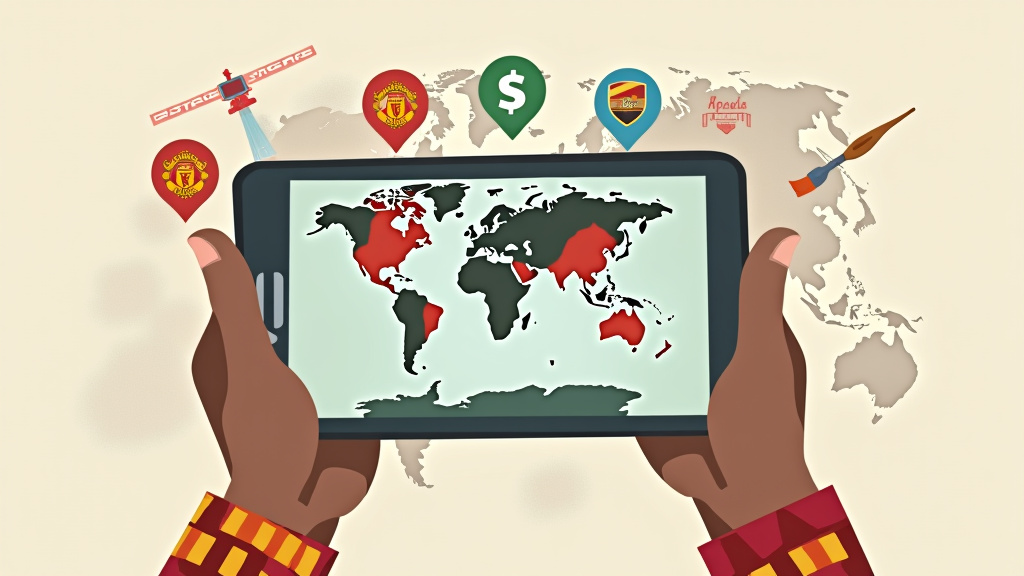
Fan culture is not static. It is pushed and pulled by larger forces that are reshaping the global game. Understanding these is key to seeing where traditions are headed.
- Globalization & Digital Media: This is the double-edged sword. Broadcasts and social media create millions of distant fans for clubs like Manchester United and Barcelona. This popularizes football but can lead to a “standardization” of fan experience, with global attention fixated on a few elite leagues. Conversely, it allows for cross-pollination. The Icelandic “Viking Clap” is now performed from Los Angeles to Lagos. A study on European social cohesion research found that this cross-border fan communication actually fosters connection, with fans traveling for away games and forming transnational bonds.
- Commercialization: As clubs become global brands, tension grows with traditional fanatical supporter groups. Ticket prices rise, pushing out local fans. Stadiums become sanitized, family-friendly entertainment venues. The organized vs violent fans dichotomy gets blurred by authorities, leading to restrictive measures that impact all supporters. The core, vocal fan base often feels their culture is being packaged and sold back to them, minus its soul.
- Security and Regulation: In response to past tragedies and violence, governments have imposed strict regulations. While targeting hooliganism in soccer, these laws often affect the tools of fan culture: restrictions on pyrotechnics, standing sections, and even large flags. This forces innovation (like more elaborate tifo design process using materials that comply with rules) but also dampens spontaneous atmosphere.
- The Ultras as a Global Template: The ultras model, organized, committed, visual, has won. From creating tifos in Indonesia to choreographing displays in Mexico, the ultra blueprint provides a structure for fan expression. However, as a PMC anti-social behavior study comparing Indonesia and Australia showed, the psychological “identity fusion” within these groups can also predict higher rates of anti-social behavior, reminding us that structure can amplify both positive and negative traits.
The future likely holds a split. A global, digital fandom consuming a homogenized product, and a localized, traditional fandom fighting to preserve its identity and rituals. The most vibrant scenes will be those that can balance the two, adopting global connections while fiercely protecting their local roots.
TL;DR: Globalization spreads fandom but flattens it, commercialization sells its soul, regulation restricts its tools, and the ultras model provides a global structure for organized support.
Frequently Asked Questions
What is the most passionate soccer fan culture in the world?
Most analysts point to Argentina, specifically the Boca Juniors vs River Plate Superclásico. The combination of relentless noise, pervasive pyrotechnics, and the high-stakes, neighborhood-based hatred creates an atmosphere that is physically and emotionally overwhelming. South American passion is generally less choreographed and more raw than Europe’s organized displays.
How do European and South American fan cultures differ?
European fandom is generally more structured and historical, built around organized ultras and club identity and elaborate large stadium displays. South American fandom is more spontaneous and emotionally volatile, centered on drum-led rhythms, pyrotechnics, and a deeper connection to socio-economic identity. Europe exports a model; South America exports a mood.
Why is there so much violence among some soccer fans?
Violence is not inherent to fandom but is more likely in contexts of deep-seated rivalry, socio-economic tension, and within highly fused fanatical supporter groups. Research, like the NCBI global fan mindset research, distinguishes between the vast majority of fans and a small subgroup where extreme group identity can predict anti-social behavior. Violent fan confrontations are often tied to specific, heated rivalries rather than the general fan base.
What is a ‘tifo’ and where did it start?
tifo is a large, coordinated visual display, using banners, flags, cards, or sheets, created by fans in the stadium stands. The tradition began in Italy in the late 19th century and was perfected by the organized fan groups of the 1970s and 80s. The tifo production process is a massive undertaking, involving design, fundraising, and secret assembly, and is a core part of visual fan culture in Europe and beyond.
How has the internet changed soccer fan culture?
It has created a global fan base for major clubs, allowing supporters worldwide to follow teams in real-time. This fuels cross-border fan communication. However, it can also dilute local traditions as fans adopt the chants and styles of elite foreign clubs. It also helps groups organize coordinated fan art and share tifo history and techniques internationally.
Before You Go
Soccer fan culture is not a monolith. It is a spectrum of human expression, from the choreographed civility of a Japanese supporters’ section to the primal roar of a Buenos Aires barra. The sound of a goal, a sharp “Ja” or a bellowing “Gol”, tells you where you are before you open your eyes. The presence of a 100-meter tifo or a thousand bouncing fans with drums tells you the local history.
The heart of it all remains the same: a search for belonging, identity, and shared emotional release. This is true whether you’re in a pub in Liverpool singing an anthem or in a township in South Africa dancing to a shared rhythm. The ritual choreography of fandom provides a psychological buffer, a community that exists win or lose. As the game globalizes, the most compelling cultures will be those that hold onto the local grit beneath the global polish. That’s where the real noise is made.
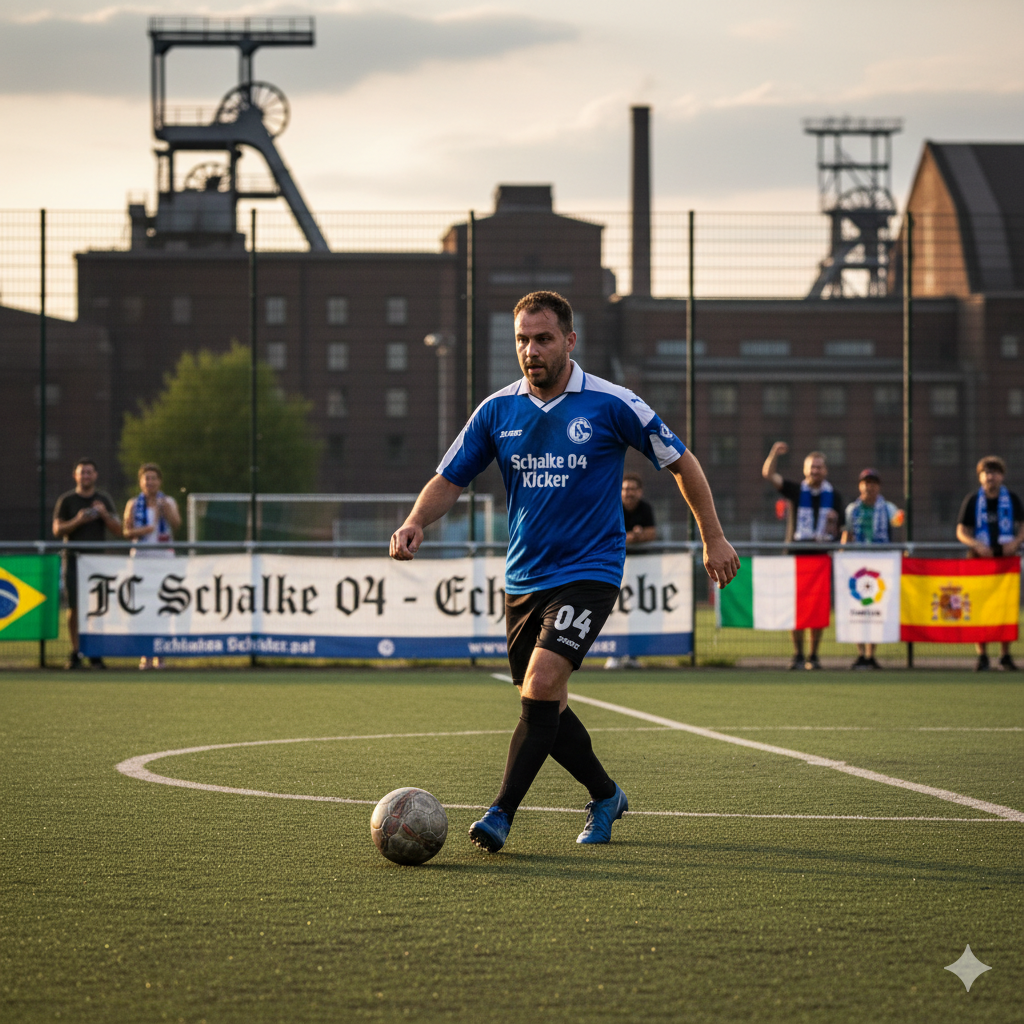
I come from the “soccer heart” of Germany, the Ruhrpott. I have played, trained and followed soccer all my life and am a big fan of FC Schalke 04. I also enjoy following international soccer extensively.