Estadio Azteca World Cup Matches & Full Schedule
Estadio Azteca will host five FIFA World Cup 2026 matches, including the historic tournament opener between Mexico and South Africa on June 11, 2026, at 2:00 PM CDT. The stadium’s confirmed schedule includes two more group stage matches, a Round of 32 fixture on June 30, and a Round of 16 clash on July 5.
Most people think the legendary venue is hosting seven or eight games, maybe even a quarterfinal. That’s what gets repeated on fan forums and some early blogs. FIFA’s official PDF schedule tells a different story—five matches total, with the knockout run ending in the last 16. The difference matters for ticket planning and your trip timeline.
This guide walks through every confirmed match, explains why Mexico’s path is unique, and lays out the non-negotiable logistics for getting in and out of Coyoacán on a matchday. We’ll also clear up the persistent myths about what this stadium is and isn’t hosting.
Key Takeaways
- Estadio Azteca hosts five matches total: the opener, two other group games, a Round of 32 match, and a Round of 16 match. It does not host a quarterfinal.
- Mexico plays two of its three group matches at Azteca. If El Tri wins Group A, its Round of 32 match on June 30 will also be played there.
- Do not drive to the stadium. Road closures are severe. Use Metro Line 2 to Tasqueña, then the Tren Ligero to Estadio Azteca Station.
- The stadium is a cashless venue. Bring a credit or debit card for all concessions and merchandise.
- Match kickoff times are in Central Daylight Time (CDT). Convert to your local time zone accordingly.
The Complete Estadio Azteca Match Schedule
The official FIFA match schedule lists five fixtures for this venue. The opener is set, and the two other group stage matches are confirmed. The knockout fixtures depend on group outcomes, but their dates and rounds are locked in.
The confirmed schedule for Estadio Azteca comprises five matches across three rounds: the opening match of the entire tournament, two additional group stage matches, one Round of 32 match, and one Round of 16 match. All times are local to Mexico City (Central Daylight Time).
Here is the full, confirmed lineup straight from the FIFA digital hub.
| Match | Date | Time (CDT) | Round | Teams |
|---|---|---|---|---|
| Match 1 | Thursday, June 11, 2026 | 2:00 PM | Group Stage | Mexico vs South Africa |
| Match 2 | Wednesday, June 17, 2026 | 5:00 PM | Group Stage | Uzbekistan vs Colombia |
| Match 3 | Wednesday, June 24, 2026 | 7:00 PM | Group Stage | Mexico vs UEFA Playoff D Winner |
| Match 4 | Tuesday, June 30, 2026 | 12:00 PM | Round of 32 | TBD (Group A Winner vs 3rd Place Group B/D/F) |
| Match 5 | Sunday, July 5, 2026 | 5:00 PM | Round of 16 | TBD (Winner Match 57 vs Winner Match 58) |
The opening match is the crown jewel. Mexico versus South Africa kicks off the entire 48-team, 104-match tournament. It’s the third time Azteca has hosted a World Cup opener, a record no other stadium holds. The other two group matches feature Colombia and the yet-to-be-determined UEFA Playoff D Winner, which could be a European giant like Poland or Wales.
TL;DR: Five matches are confirmed: the historic opener on June 11, two more group games, a Round of 32 match on June 30, and a Round of 16 match on July 5. All times are CDT.
Why Mexico’s Path Makes Azteca Special
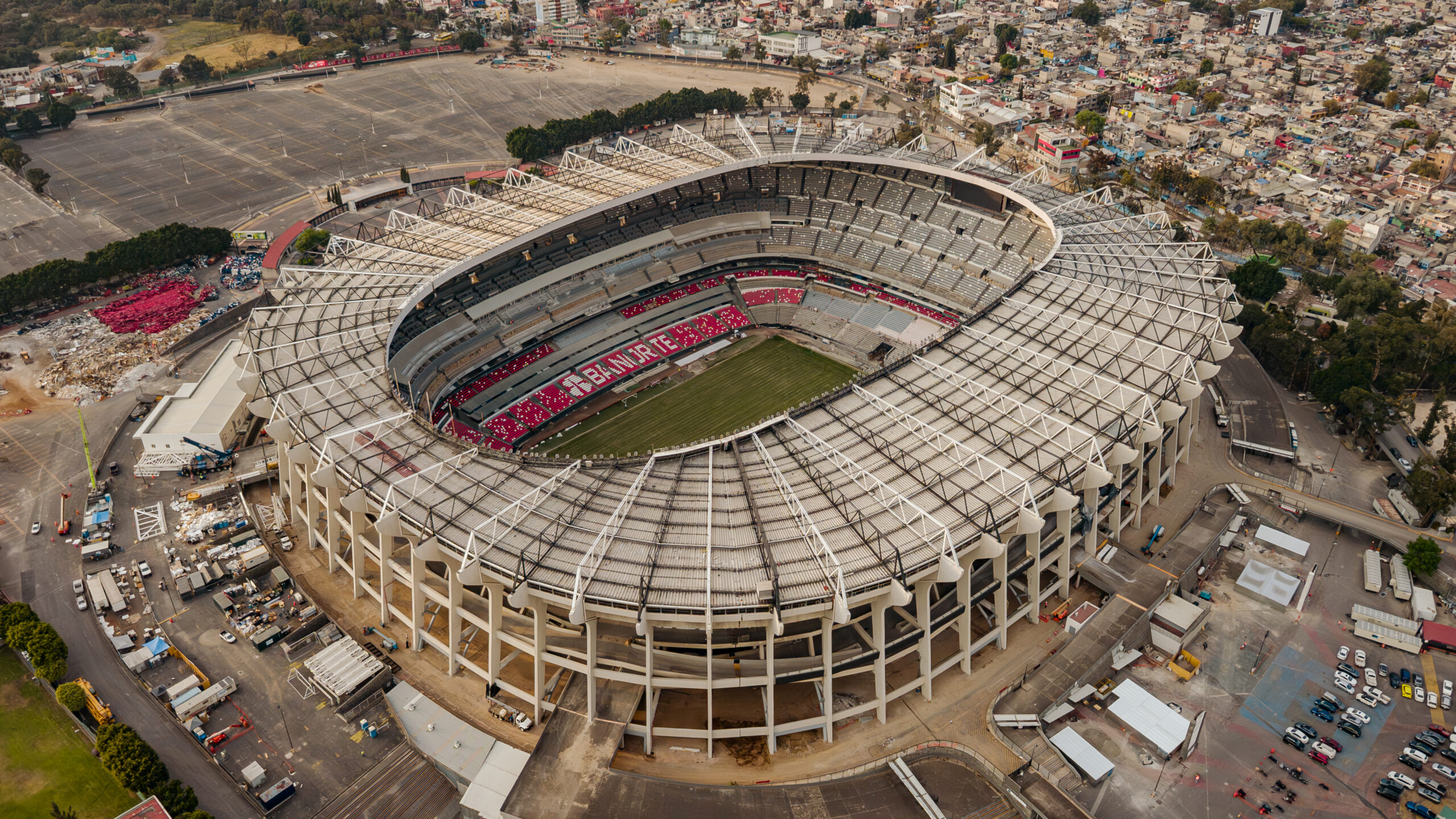
Photo: Arne Müseler / Wikimedia Commons / CC BY-SA 3.0 de
Mexico’s placement in Group A, playing all three group matches on home soil, is a massive tactical advantage. Two of those three games are at Azteca, a fortress where the crowd noise alone can shift momentum. Their second group match, however, is at Estadio Guadalajara. This travel is minimal compared to what other teams will face crossing borders.

If Mexico wins Group A, its Round of 32 match on June 30 is also scheduled for Azteca. That means a potential four-match run in front of their own fans before ever leaving the country. It’s a logistical gift that could define their entire tournament. Understanding this path is key to analyzing early World Cup tactics and how a host nation can leverage home-field advantage.
Common mistake: Assuming all of Mexico’s group games are at Azteca — their second match is in Guadalajara. Missing that detail throws off travel plans for fans following El Tri.
The other side of the bracket is less certain. The Round of 32 and Round of 16 matches at Azteca will be filled by teams advancing from other groups. This means you could see a clash of South American powerhouses or a European giant making the trip. The potential for a massive 3-5-2 formation versus a classic 4-4-2 formation in that July 5 knockout game is exactly the drama World Cup nights are made of.
A Stadium with Unmatched History
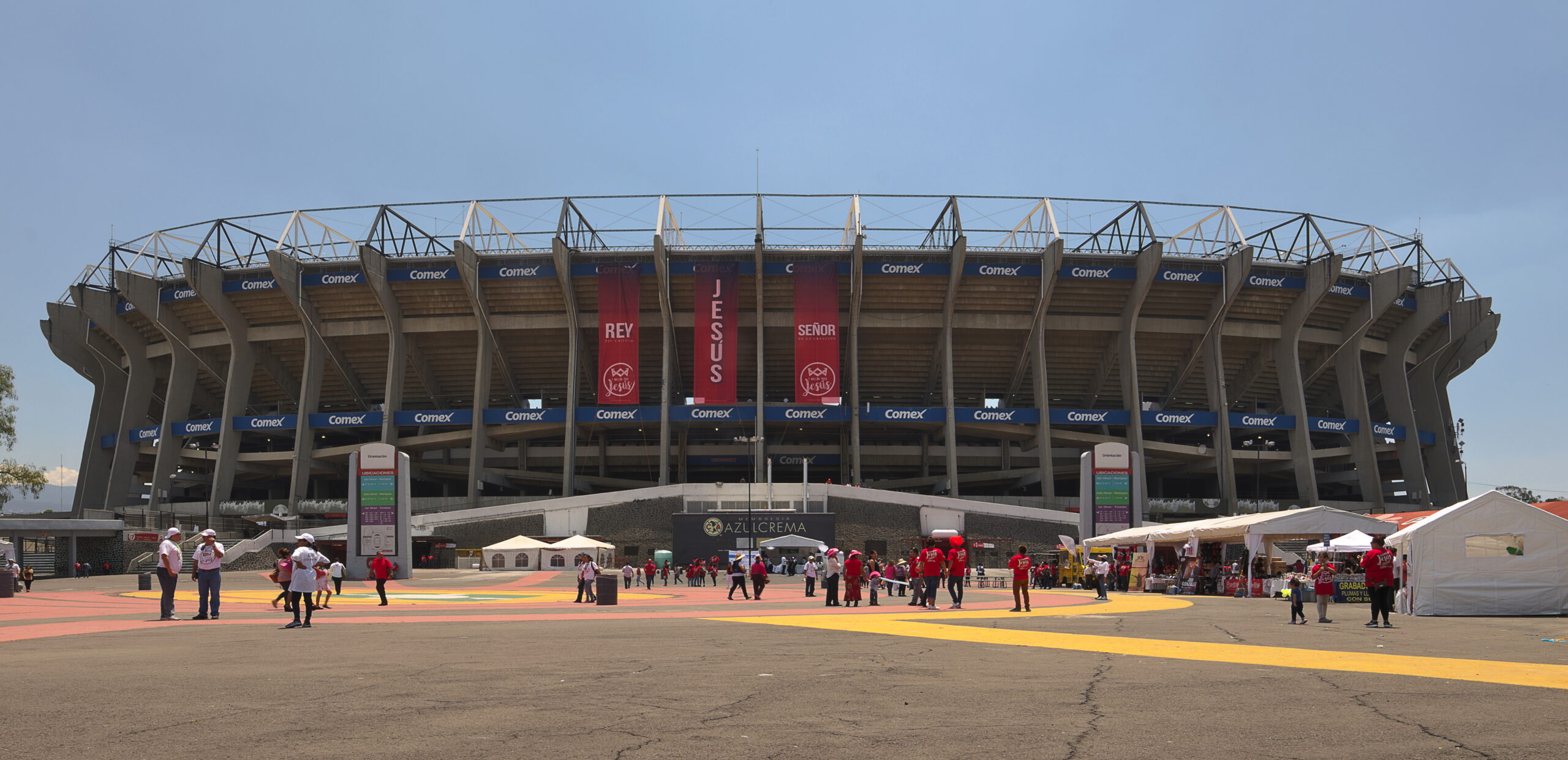
Photo: Carlos Valenzuela / Wikimedia Commons / CC BY-SA 4.0
Estadio Azteca isn’t just a venue; it’s a character in football’s story. It hosted the 1970 final where Brazil’s legendary team lifted the Jules Rimet trophy and the 1986 “Hand of God” quarterfinal. In 2026, it becomes the first stadium to host matches in three separate World Cups.

The renovations for 2026 are extensive but focused. The seating is all new, the giant video screens are upgraded, and the pitch is now a hybrid grass system. The locker rooms and player tunnels are modernized. What you won’t see are the infrastructure upgrades beneath the stands—new concourses, improved plumbing, and technology to handle the cashless systems. The capacity sits at 87,523, making it one of the largest and most atmospheric venues in the tournament.
Walking into that bowl, you feel the weight of the matches that have happened there. The air is thinner at 7,200 feet above sea level, a factor that has broken visiting teams for decades. It’s a place where history isn’t just remembered; it’s a tangible, pressurized force.
Getting to the Stadium Without the Headache
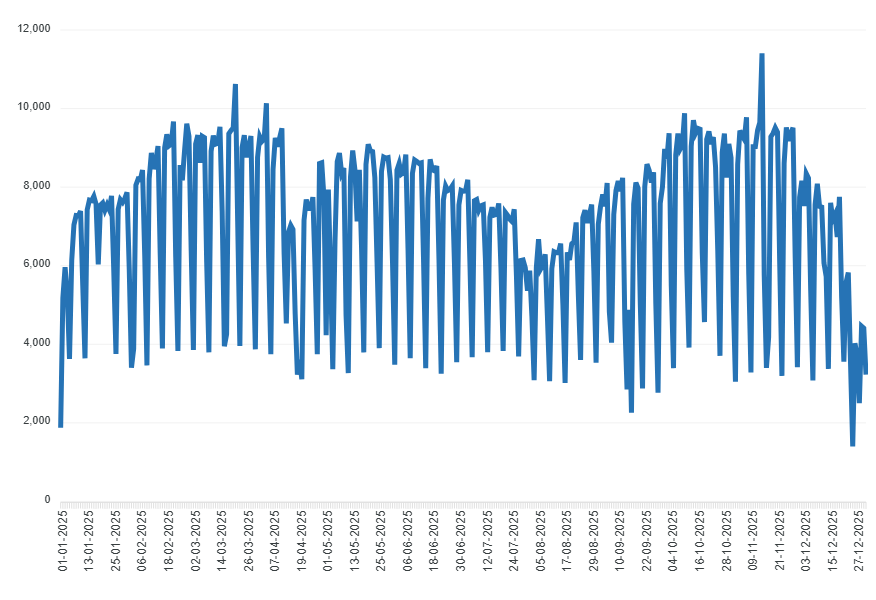
Photo: Servicio de Transportes Eléctricos / Gobierno de la Ciudad de México / Wikimedia Commons / CC BY 4.0
Driving to Estadio Azteca on a matchday is a terrible idea. The roads around Coyoacán shut down for blocks in every direction. Police cordons start hours before kickoff. Your rental car will be useless.
.png)
The only reliable way in is public transport. Take Metro Line 2 (the blue line) to the final southern stop, Tasqueña. From there, transfer to the Tren Ligero (light rail) and ride it to the Estadio Azteca Station. The walk from the station to the gates is about ten minutes. Give yourself at least 90 minutes for this journey from the city center. The trains will be packed, but they run frequently.
I learned this the hard way during a Liga MX final. I drove, got stuck in a traffic snarl two kilometers out, and missed the first twenty minutes. I ended up parking in a dubious side street and jogging the rest of the way, hearing the roar of the crowd grow with every block—a terrible way to experience a big match. Now I always take the Tren Ligero.
Before you start: Plan your route using the official Mexico City Metro map. Have a backup payment method ready (the Metro card readers can be finicky). Wear comfortable shoes for the walk from the station.
What You Need to Know on Match Day
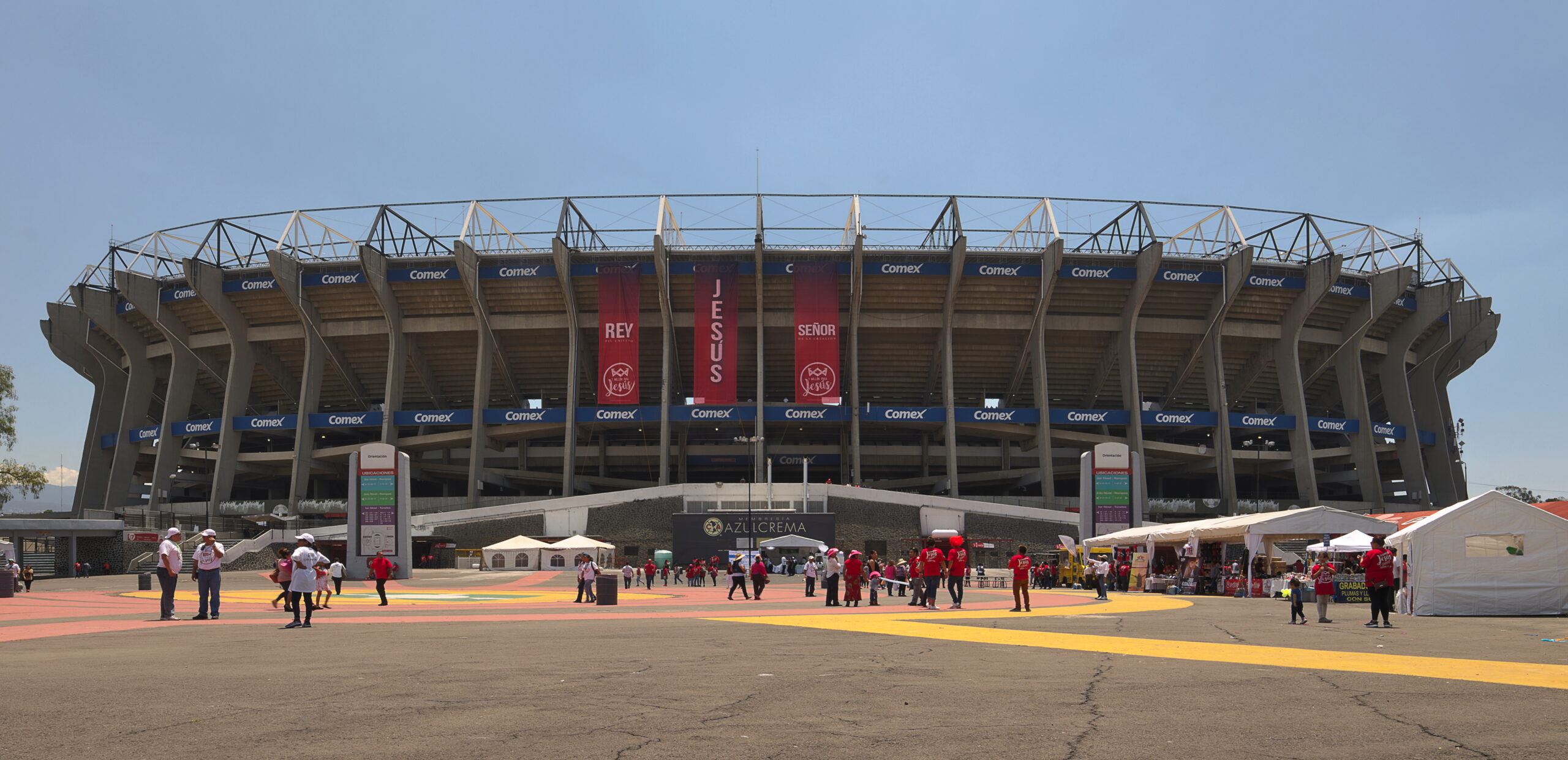
Photo: Carlos Valenzuela / Wikimedia Commons / CC BY-SA 4.0
Estadio Azteca is operating as a fully cashless venue for the World Cup. That means every concession stand, merchandise kiosk, and food vendor inside the gates will only accept credit cards, debit cards, or stadium gift cards. Have a physical card ready; mobile payment terminals might be spotty with 80,000 people trying to connect.
The security screening will be intense. FIFA and local authorities implement a clear bag policy similar to other major tournaments. Check the latest guidelines on the official FIFA website before you pack. Large backpacks, professional cameras, and any item that could be considered a projectile are prohibited. Getting turned away at the gate for a prohibited item means missing part of the match—the lines don’t move quickly once the screening starts.
The atmosphere builds slowly. Locals arrive early to picnic on the grassy areas outside, a tradition known as “la previa.” Join them. It’s the best way to soak in the pre-match buzz and avoid the last-minute crush at the gates. Once inside, find your seat quickly. The sightlines are generally excellent, but the steps are steep. Navigating a full section at kickoff is a chore.
Navigating Tickets and Seating
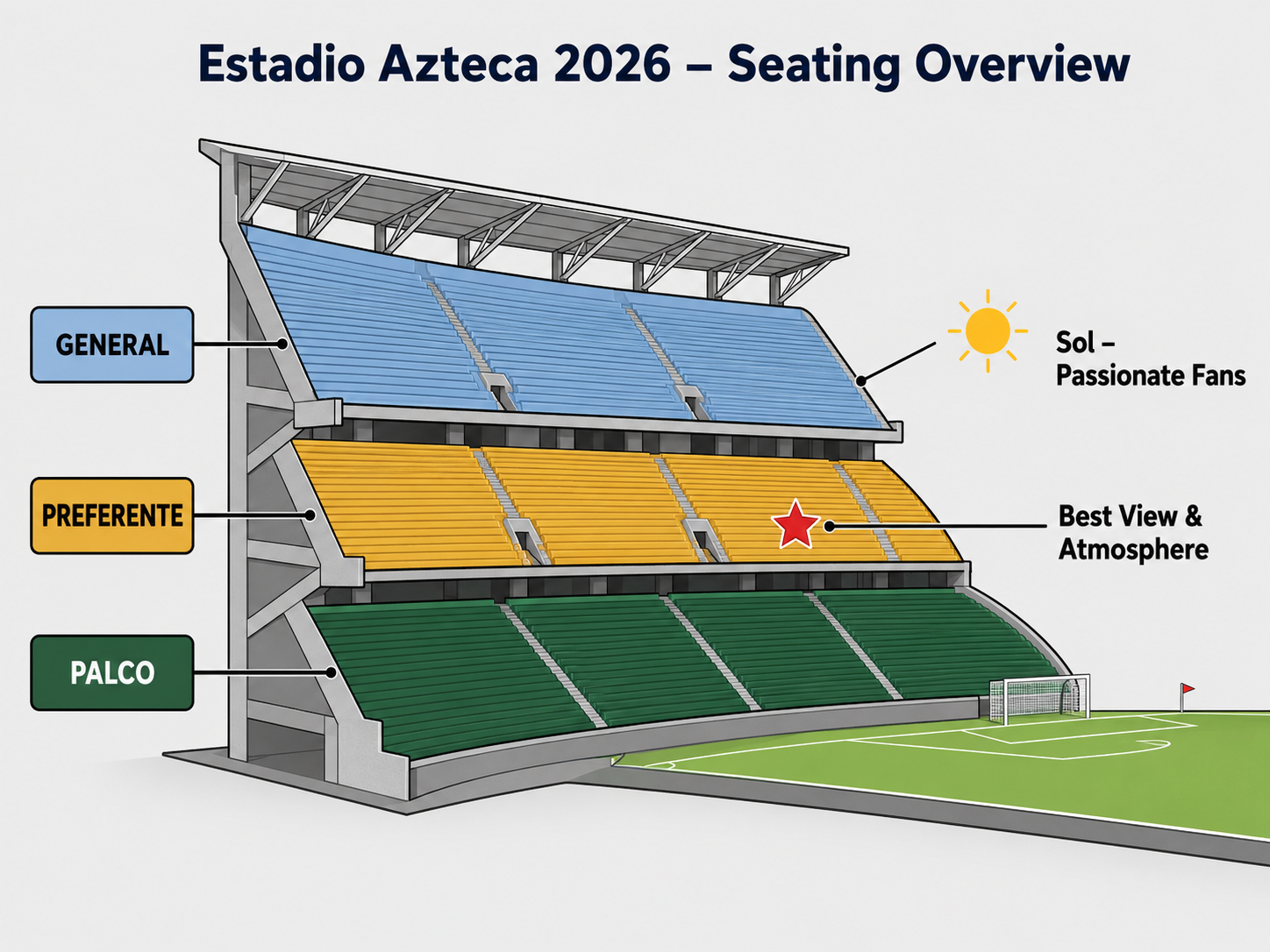
Official tickets are sold exclusively through FIFA’s ticketing portal. There will be multiple sales phases, including a lottery. Do not buy from third-party resellers unless they are FIFA-authorized. The risk of fraud is high for an event of this magnitude.
The stadium is divided into three main tiers: Palco (luxury boxes), Preferente (mid-level), and General (upper deck). The Preferente sections along the sidelines offer the best balance of view and atmosphere. The famous Sol (sun) section, where the most passionate local fans gather, is in the lower General tier behind one goal. It’s an experience, but be prepared for constant standing, singing, and limited visibility of the far end of the pitch.
If you’re attending with family or want a more relaxed view, aim for the shaded Sombra (shade) side. The sun in Mexico City in June and July is intense. A seat in the Sombra means you won’t be baking for three hours.
The Fan Experience Beyond the Pitch
Mexico City on a World Cup matchday is a city-wide festival. The Zócalo, the main square, will have giant screens and fan zones, but expect overwhelming crowds. For a slightly more manageable experience, neighborhoods like Roma Norte and Condesa will have bars and restaurants showing the matches. These areas are also better for finding accommodation if you’re staying in the city.
I prefer watching non-Azteca matches in Condesa. The energy is still electric, but you can actually move, get a drink, and use a bathroom without a 30-minute queue. For an Azteca match day, your entire day is the stadium. Everything else is logistics.
Don’t just fly in for the match and leave. Give yourself a full day before or after to explore Coyoacán itself. Visit the Frida Kahlo Museum, walk through the quiet, cobblestone streets, and eat at a local fonda. The contrast between the serene colonial neighborhood and the roaring stadium a few blocks away is part of what makes Azteca unique.
Understanding the full scope of a tournament means looking beyond the soccer field lines. It’s about the city that houses it, the transport that gets you there, and the history under your feet. This venue has seen memorable overtime matches and legendary performances. In 2026, it will write a new chapter.
Frequently Asked Questions
How many World Cup 2026 matches will Estadio Azteca host?
Estadio Azteca will host five matches: the tournament opener, two other group stage games, one Round of 32 match, and one Round of 16 match. Earlier reports of seven matches or a quarterfinal are incorrect.
What time zone are the Estadio Azteca match times listed in?
All kickoff times for matches at Estadio Azteca are listed in Central Daylight Time (CDT), which is the local time in Mexico City during June and July.
Can I use cash inside Estadio Azteca during the World Cup?
No. Estadio Azteca will be a fully cashless venue for the 2026 World Cup. All concessions and merchandise purchases must be made with a credit card, debit card, or approved stadium gift card.
What is the best way to get to Estadio Azteca on a matchday?
Do not drive. Take Mexico City Metro Line 2 to the Tasqueña station, then transfer to the Tren Ligero (light rail) to the Estadio Azteca Station. Plan to arrive at the stadium gates at least 90 minutes before kickoff to account for crowds and security screening.
Could Lionel Messi play at Estadio Azteca in 2026?
It’s possible, but not guaranteed. Argentina is not scheduled to play any group matches at Azteca. For Messi or other Argentinian legends to feature there, Argentina would need to finish second in its group and then be drawn into the specific Round of 32 or Round of 16 fixture allocated to Mexico City.
The Bottom Line
The 2026 World Cup schedule at Estadio Azteca is a masterclass in football history meeting modern logistics. Five matches, capped by the opener and a potential knockout night for Mexico, define its role. Your ticket is just the start. Beating the crowds requires the Tren Ligero, navigating the day requires a credit card, and feeling the occasion requires understanding the altitude and the history in those concrete walls. This isn’t a passive viewing experience. It’s a physical event. Plan for the walk, plan for the sun, plan for the noise. Then you might just see a new legend born in the same place where the old ones were made.

I come from the “soccer heart” of Germany, the Ruhrpott. I have played, trained and followed soccer all my life and am a big fan of FC Schalke 04. I also enjoy following international soccer extensively.