BMO Field World Cup Matches & Schedule: 6 Games in Toronto
BMO Field will host six FIFA World Cup 2026 matches: five group stage games and one Round of 32 knockout fixture between June 12 and July 2, 2026. Canada opens its tournament here against Bosnia and Herzegovina on June 12, with the stadium’s capacity temporarily expanded to 45,736 seats and renamed Toronto Stadium for the event.
Most fans think the entire Canadian group stage happens in Toronto. It doesn’t. Only the historic opener is here, the other two are in Vancouver. That single fact reshapes travel plans for thousands.
This guide breaks down every match on the BMO Field World Cup 2026 schedule, the teams you’ll see, what the stadium upgrades mean for your experience, and how Toronto is preparing for its three-week football festival.
Key Takeaways
- BMO Field hosts six matches: five group stage games and one Round of 32 knockout.
- Canada’s first-ever World Cup match on home soil is at BMO Field on June 12, 2026, against Bosnia and Herzegovina.
- The stadium capacity jumps to 45,736 for the tournament and will be called Toronto Stadium due to FIFA sponsorship rules.
- The other Canadian group games (vs. Qatar and Switzerland) are in Vancouver, not Toronto.
- A Round of 32 match on July 2 could feature major teams like England or Croatia if they finish second in Group L.
BMO Field World Cup 2026 Match Schedule
The match slate is locked in. You get five group stage fixtures spread across three groups, plus a knockout game. The schedule is dense, matches land roughly every three to four days across a three-week window.
Here is the complete schedule, with all times listed in Eastern Time (ET).
| Date | Time (ET) | Match | Stage | Group |
|---|---|---|---|---|
| June 12, 2026 | 3:00 PM | Canada vs. Bosnia and Herzegovina | Group Stage | B |
| June 17, 2026 | 7:00 PM | Ghana vs. Panama | Group Stage | L |
| June 20, 2026 | 4:00 PM | Germany vs. Ivory Coast | Group Stage | E |
| June 23, 2026 | 7:00 PM | Panama vs. Croatia | Group Stage | L |
| June 26, 2026 | 3:00 PM | Senegal vs. Iraq | Group Stage | I |
| July 2, 2026 | 7:00 PM | Runner-up Group K vs. Runner-up Group L | Round of 32 | Knockout |
The official FIFA match schedule, confirmed in February 2025, allocates these six fixtures to BMO Field, cementing Toronto’s role as a key host venue for the expanded 48-team tournament.
The opener is the crown jewel. Canada playing a World Cup match at home for the first time will generate an atmosphere unlike anything the stadium has seen, even during MLS Cup finals. The other group games are strategically spaced to allow for pitch recovery and team travel. Notice the heavy Group L presence. Panama appears twice, setting the stage for a potential decisive match for them against Croatia on June 23.
TL;DR: Five group games and one Round of 32 match will be played at BMO Field between June 12 and July 2, 2026, with Canada’s historic home opener on June 12.
Canada’s Historic Home Opener & Group B Path
Canada finds itself in Group B with Switzerland, Qatar, and Bosnia and Herzegovina. Their path is split across the country. The opener in Toronto is massive, but it’s just one of three games.
Their full group stage schedule is:
1. June 12, 2026 (Toronto): Canada vs. Bosnia and Herzegovina
2. June 18, 2026 (Vancouver): Canada vs. Qatar
3. June 24, 2026 (Vancouver): Canada vs. Switzerland
Common mistake: Booking Toronto accommodation for Canada’s entire group stage, their second and third matches are in Vancouver, a five-hour flight away. Fans who don’t check the venue list end up with cross-country rebooking headaches.
The match against Bosnia is the one every Canadian fan wants. It’s a winnable game against a European side that can be physical. A positive result here would send momentum soaring for the trip west. The subsequent games in Vancouver present different challenges. Qatar will rely on technical speed, while Switzerland is a well-drilled, tournament-tested unit. A team’s success often hinges on adapting its match tactics between games, and Canada’s coaching staff will have to prepare for three distinct styles in quick succession.
TL;DR: Canada plays only its first group match in Toronto; the other two are in Vancouver. Beating Bosnia in the opener is crucial for tournament momentum.
Stadium Upgrades: From BMO Field to “Toronto Stadium”
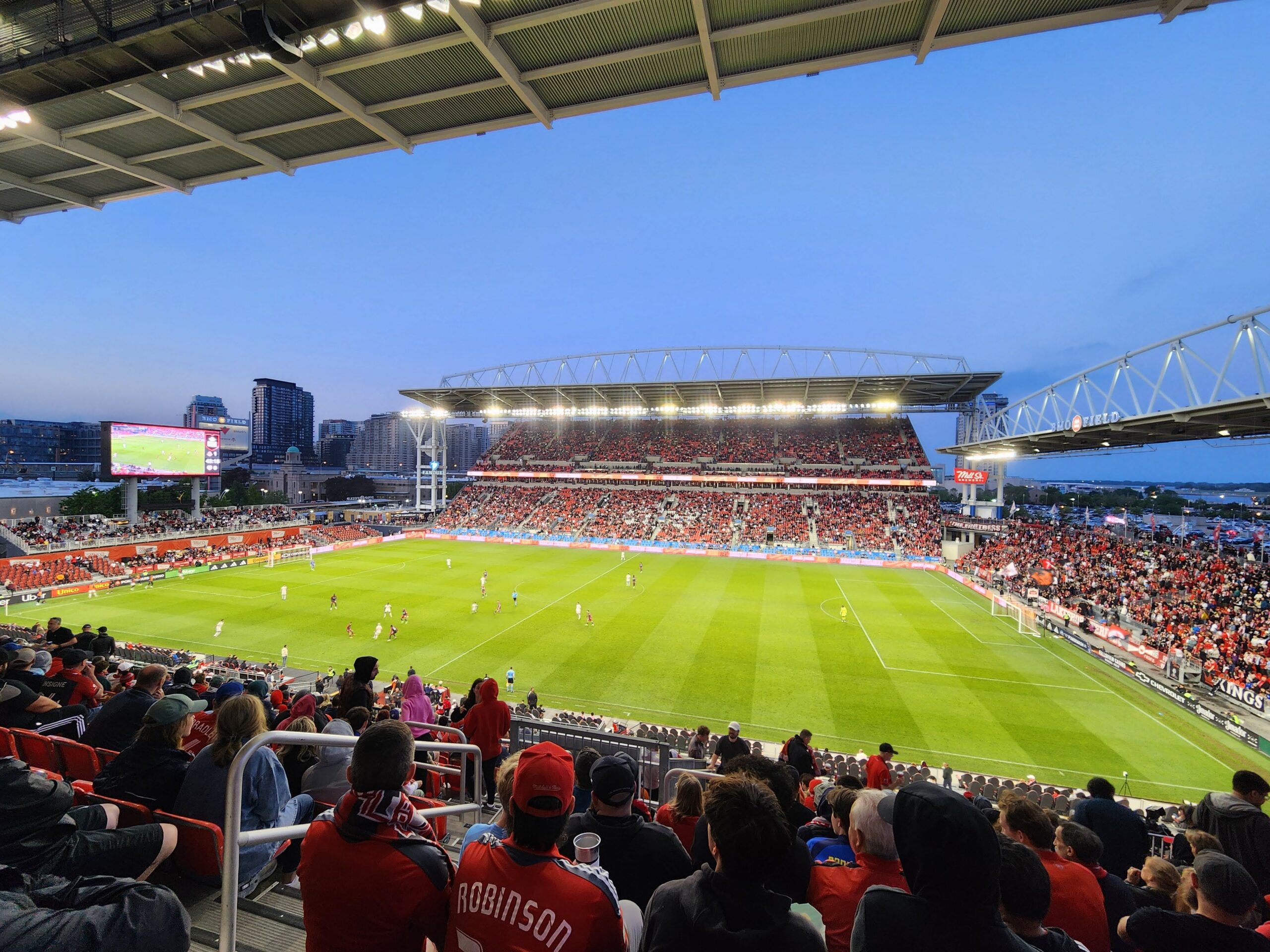
Photo: H4stings / Wikimedia Commons / CC BY-SA 4.0
For the World Cup, BMO Field isn’t just getting a polish. It’s undergoing a significant transformation to meet FIFA’s requirements for a top-tier venue.

The most visible change is capacity. The current MLS configuration seats about 28,000. For 2026, a temporary upper deck and other additions will boost that to 45,736 seats. That’s an increase of over 17,700 seats, all installed and removed post-tournament. The sightlines from these temporary sections will be steep, but they’ll put more fans in the building for the biggest games.
FIFA’s strict sponsorship rules mean the stadium sheds its corporate name for the tournament. You won’t hear “BMO Field” on any official broadcast or ticket. It will be referred to exclusively as Toronto Stadium. Don’t let your navigation app confuse you, it’s the same place at Exhibition Place.
Beyond seats, expect upgrades to media facilities, broadcast infrastructure, hospitality suites, and concessions. The pitch itself, a hybrid grass system, will be meticulously managed with that tight match schedule in mind. The ground staff’s athletic training plans for the turf will be as intense as any player’s regimen, ensuring it can handle six high-level matches in three weeks.
The Other Matches: Global Stars on Toronto’s Pitch
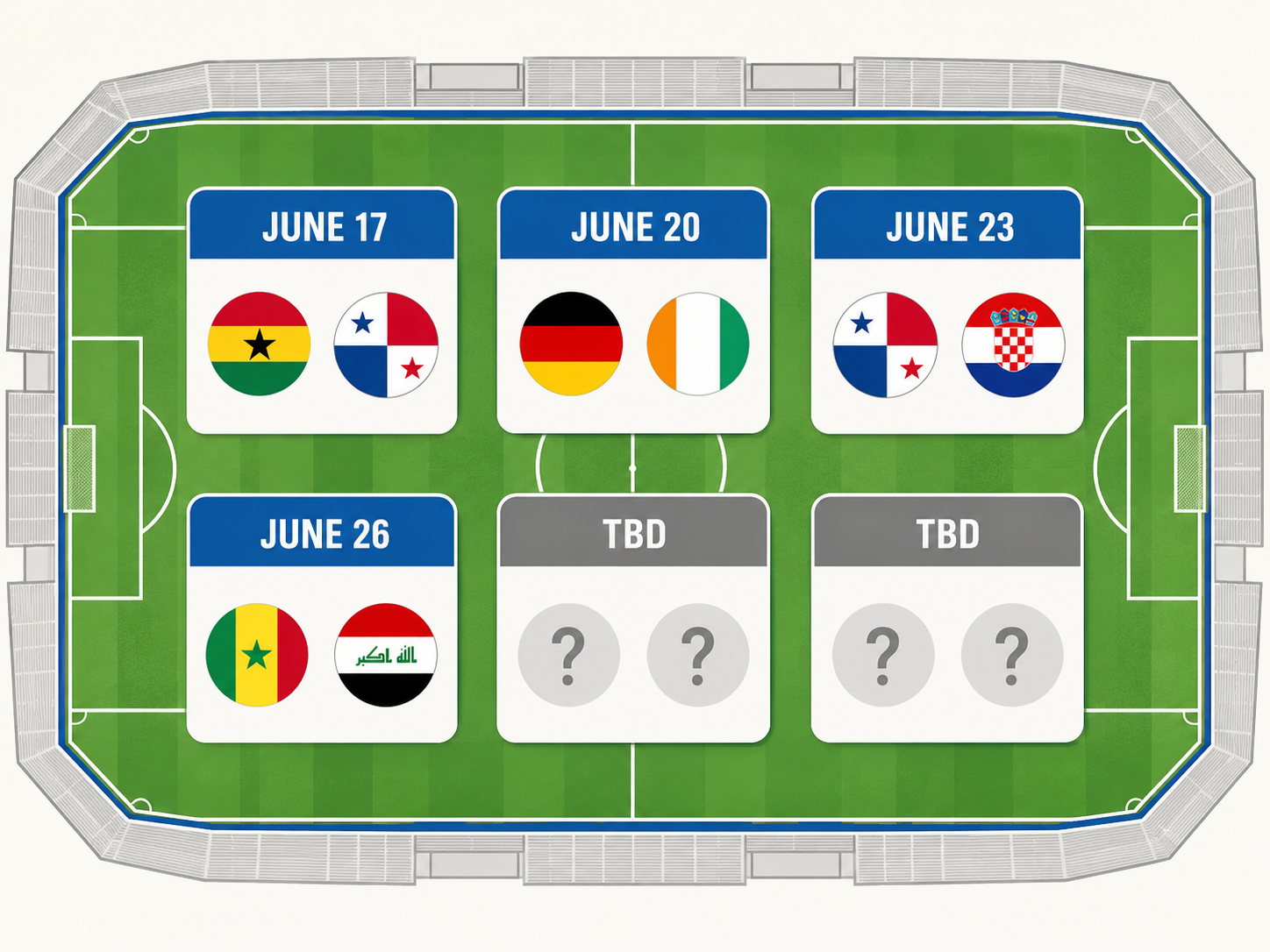
While Canada’s opener headlines, the other five matches bring a parade of global talent to the city. The schedule is a clever mix of established powers and rising nations.
Germany vs. Ivory Coast (June 20) is the marquee European-African clash. Germany’s machine-like precision against Ivory Coast’s athleticism and flair promises a tactical chess match. Then there’s the Senegal vs. Iraq (June 26) fixture, a fascinating contrast in styles that could decide Group I.
The two Group L games are particularly intriguing. Ghana vs. Panama (June 17) and Panama vs. Croatia (June 23) could see emerging CONCACAF teams challenge a European stalwart. If Croatia, with its legendary midfield, finishes second in its group, it could return to Toronto for the…
Round of 32 Match (July 2). This knockout fixture pits the runner-up from Group K against the runner-up from Group L. Group K could contain a heavyweight like Italy or the Netherlands. Group L features England. The possibility of a match like England vs. Croatia in a knockout setting in Toronto is very real. That’s the kind of high-stakes, single-elimination drama that defines a World Cup, and it requires peak athletic toughness from the players involved.
| Match | Why It’s Notable | Potential Impact |
|---|---|---|
| Ghana vs. Panama | African power vs. CONCACAF disruptor. | A win here for either side massively boosts knockout round chances. |
| Germany vs. Ivory Coast | Classic clash of European system vs. African individual brilliance. | A showcase match that could influence World Cup strategies for both continents. |
| Panama vs. Croatia | Panama’s possible decider against a veteran Croatian side. | Could determine which of these two advances to the knockout stage. |
| Senegal vs. Iraq | African champions vs. a disciplined Asian contender. | A must-win for both teams if they want to advance from Group I. |
| Round of 32 | Runner-up Group K vs. Runner-up Group L. | Could feature a titanic clash like Italy vs. England or Netherlands vs. Croatia. |
I’ve watched tournaments where a team’s entire campaign turns on one group match in an unfamiliar stadium. The pressure on Panama in that second game against Croatia, knowing their first result and playing in front of a neutral but loud crowd, will be immense. It changes how managers set up their defensive midfield setups.
Ticket Information, Pricing, and How to Get Them
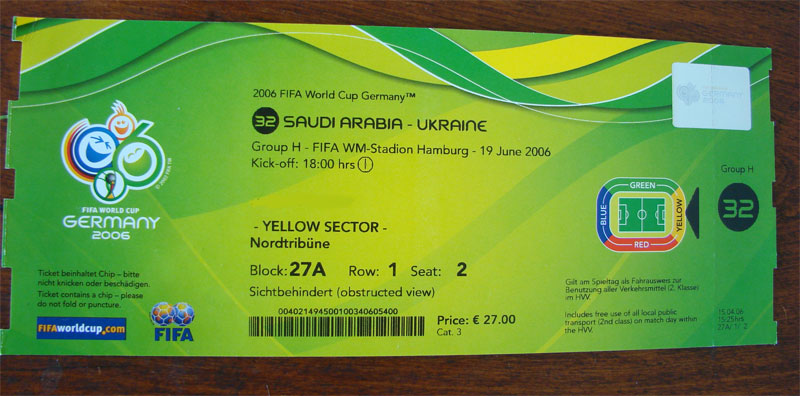
Wikimedia Commons / CC BY-SA 2.0
FIFA controls all ticketing. There is no box office at BMO Field selling World Cup tickets. Everything runs through FIFA’s official sales platform, which typically opens in phases.

- Random Draw Sales (Late 2025/Early 2026): The first chance. You register for matches you want and enter a lottery. This is for individual matches and team-specific strips (all of a team’s group games).
- First-Come, First-Served Sales (Spring 2026): Remaining tickets after the draw go on general sale. These sell out in minutes for host nation matches.
- Last-Minute Sales (Spring/Summer 2026): FIFA occasionally releases small batches of returned or unsold tickets closer to the event.
Pricing tiers will follow FIFA’s model: Category 1 (best seats), Category 2, Category 3, and Category 4 (most affordable). Expect Canada’s opener to be among the most expensive group stage tickets globally. The Round of 32 match price will depend heavily on the teams involved.
Common mistake: Waiting for the “general public” sale. For a host nation’s opening match, the random draw phase is your only realistic shot. By the time the first-come-first-served sale happens, only single seats in the highest categories remain.
Hospitality packages, which include premium seating, food, and drinks, will be sold through FIFA’s official hospitality partner. These bypass the public lottery but come at a premium cost, often several thousand dollars per match.
The Atmosphere & What to Expect in Toronto
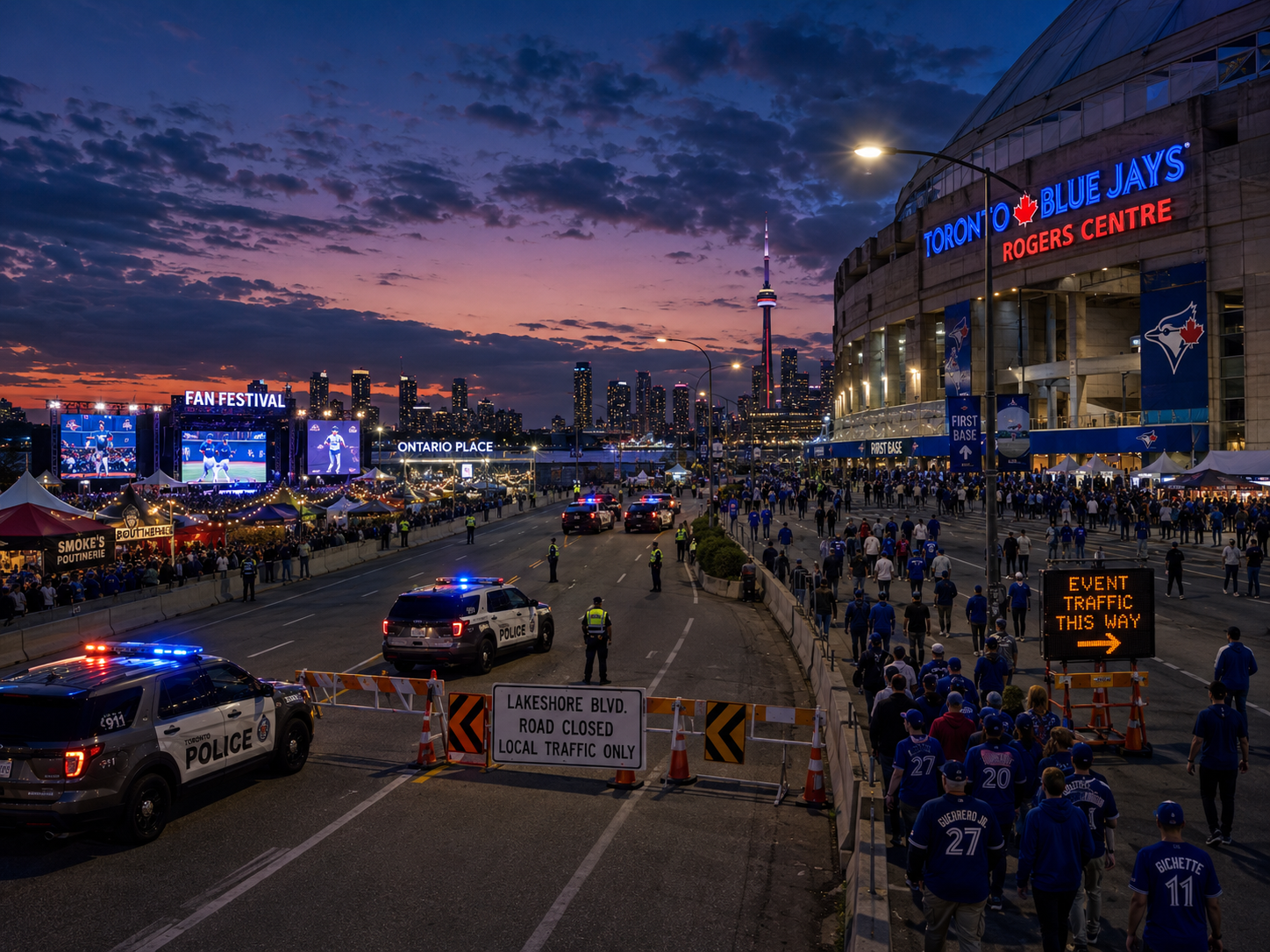
Exhibition Place will transform into a month-long football festival. The experience extends far beyond the 90 minutes inside Toronto Stadium.
FIFA will set up a Fan Festival at the nearby Ontario Place grounds. This free-entry zone features giant screens showing every tournament match, live music, food vendors, and sponsor activations. It’s where fans without tickets can gather en masse. On match days, the area around the stadium will be a secured perimeter, likely closing Lakeshore Boulevard and redirecting local traffic.
Transportation will be all-hands-on-deck. The TTC will increase service on the 509 Harbourfront and 511 Bathurst streetcar lines, the primary routes to the stadium. GO Transit will add extra trains on the Lakeshore West line. Driving is not recommended, parking will be extremely limited and expensive.
The economic impact on Toronto is projected to be substantial. A study by the Canadian Sport Tourism Alliance estimates the six matches will inject over $300 million into the local economy. Hotels from downtown to the airport will be at capacity, and restaurants and bars will see a huge boost, especially with the late kick-off times for some matches.
TL;DR: Expect a fan zone at Ontario Place, packed streetcars, and a city-wide buzz. Book transit-friendly accommodation early and plan to arrive at the stadium at least 90 minutes before kickoff.
Key Logistics for Attending a Match
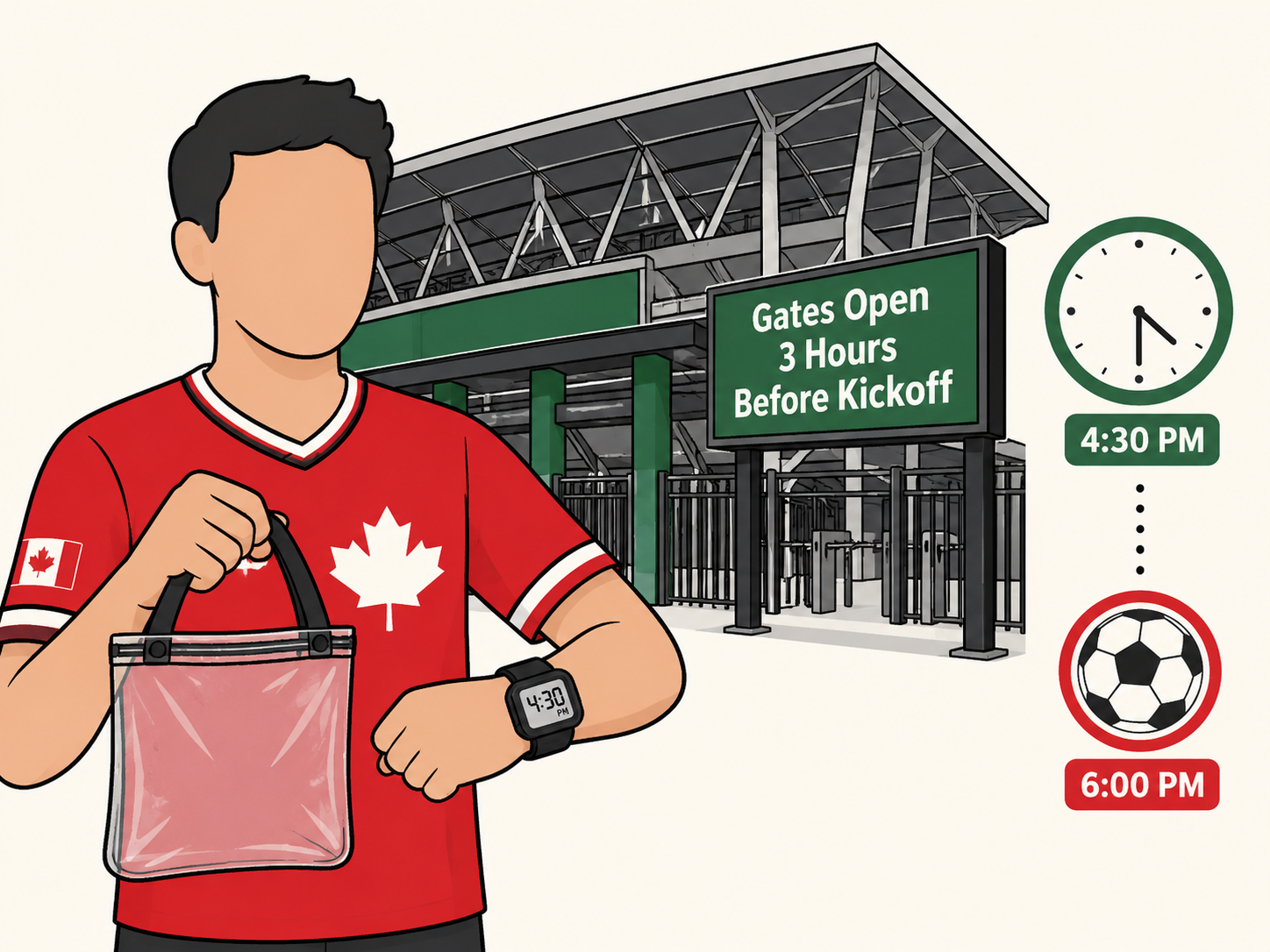
Getting in and out smoothly requires a plan. The scaled-up operations for 45,000+ people are different from a typical Toronto FC match.
- Arrive Early: Gates will open 3 hours before kickoff. Aim to be through security and inside the stadium 90 minutes before the game starts. This gives you time to find your seat, grab food, and soak in the pre-match atmosphere without the last-minute crush.
- Bag Policy: FIFA’s stadium bag policy will be strictly enforced. Expect a clear-bag-only rule similar to other major international events. Check the official “Toronto Stadium” guide on FIFA.com closer to the date for exact dimensions.
- Transportation Plan: Use the TTC or GO Transit. Have your Presto card loaded or use a contactless credit/debit card. Ride-sharing drop-off zones will be chaotic and far from the gates.
- Cashless Venue: All concessions and merchandise stands inside Toronto Stadium will be cashless. Have a credit/debit card or mobile payment ready.
- Post-Match Exodus: Leaving will take time. The streetcars will be packed. Consider walking a few stops west along Queen Street West to find a less crowded pickup point or grab a post-match meal in the area to let the crowds thin.
Following a sensible player meal plan for energy is wise for fans, too, stadium food lines will be long, so eat beforehand if you can.
Frequently Asked Questions
How many World Cup 2026 matches will be at BMO Field?
BMO Field, called Toronto Stadium for the tournament, will host six matches: five in the group stage and one Round of 32 knockout match.
What is the date of Canada’s first World Cup 2026 match at BMO Field?
Canada plays Bosnia and Herzegovina in its first match on June 12, 2026, at 3:00 PM Eastern Time. This is Canada’s only group stage match in Toronto; their other two games are in Vancouver.
What is the capacity of BMO Field for the World Cup?
For the FIFA World Cup 2026, temporary seating will increase BMO Field’s capacity to 45,736 seats, up from its regular MLS capacity of approximately 28,000.
Can I buy World Cup tickets at the BMO Field box office?
No. All ticket sales are controlled by FIFA through its official online platform. There will be no box office sales at the stadium. You must register online when sales phases open in late 2025 or early 2026.
What is the most exciting match at BMO Field besides Canada’s game?
The Round of 32 match on July 2, 2026, has the highest potential for a blockbuster. It could feature a clash like England vs. Croatia if those teams finish second in their groups, creating a knockout-stage spectacle.
Why is it called Toronto Stadium for the World Cup?
FIFA has strict sponsorship rules that prohibit commercial stadium names during its tournaments. Therefore, BMO Field will be referred to officially as “Toronto Stadium” for all World Cup matches and broadcasts.
Before You Go
Toronto’s role in the 2026 World Cup is defined by six matches over three weeks, headlined by a piece of Canadian sporting history. The transformation of BMO Field into a 45,736-seat venue and the festival atmosphere around Exhibition Place will make it a destination for fans from across the globe.
Remember, ticket access is through FIFA alone, and Canada plays only once in Toronto. Plan your travel and accommodation around that single fact. Whether you’re there for Canada’s opener, a potential heavyweight knockout clash, or just the atmosphere, the experience will hinge on preparation. Secure your tickets the moment sales open, book lodging near a streetcar line, and get ready for a summer where Toronto lives and breathes football.

I come from the “soccer heart” of Germany, the Ruhrpott. I have played, trained and followed soccer all my life and am a big fan of FC Schalke 04. I also enjoy following international soccer extensively.