How Long Is a Soccer Game Including Halftime & Extra Time?
A standard soccer game lasts 90 minutes of active play, split into two 45-minute halves, with a mandatory 15-minute halftime interval in between. The referee adds stoppage time to each half for delays, and knockout matches can include 30 minutes of extra time if tied, making the total real-world duration typically 105 to 120 minutes.
Most people think the clock hits 45:00 and the half ends. It doesn’t. The referee is the only timekeeper, and they add minutes for every second the ball wasn’t rolling. That’s why you never leave a match at the 90-minute mark. The real finish is still to come.
This guide breaks down the official rules, the referee’s unchangeable authority over the clock, and what you can actually expect from kickoff to the final whistle in leagues from the Premier League to a local youth game.
Key Takeaways
- The 90-minute standard is sacred in professional soccer, but the on-field clock is merely a guide for spectators; only the referee’s watch matters.
- Stoppage time is not a suggestion. It’s a mandatory compensation for dead-ball situations, with the fourth official signaling a minimum that the referee can only increase, never decrease.
- A 15-minute halftime is the global professional standard, but youth and amateur leagues often use a 10-minute break. Players must be ready to restart when it ends.
- Extra time is a separate 30-minute period played after the full 90 minutes plus stoppage time if a knockout match requires a winner. It is not an extension of the second half.
- From first whistle to last, a typical match runs about 105 minutes. Plan for two hours from scheduled kickoff to account for pre-match ceremonies and potential extra time.
The 90-Minute Standard: Regulation Time Explained
The foundation is Law 7 of the IFAB Laws of the Game PDF. It states the match lasts two equal halves of 45 minutes. This 90-minute total is called regulation time. The clock on the scoreboard is a courtesy for fans and players. The referee carries the official stopwatch and is the sole arbiter of when a half truly ends.
This rule is universal. It applies to the UEFA Champions League final, a Sunday league match in Berlin, and a high school game in Ohio. The only permitted alteration is a pre-match agreement between the referee and both teams to shorten the halves, which only happens in exceptional circumstances like extreme weather or at youth levels. You will never see a professional match start with an agreement to play 40-minute halves.
The duration of each half is 45 minutes. The halftime interval must not exceed 15 minutes. Allowance is made by the referee in each half for all time lost in that half through substitutions, assessment and/or removal of injured players, wasting time, disciplinary sanctions, medical stoppages, and any other cause.
TL;DR: The 90-minute game is non-negotiable in pro soccer. The referee’s watch, not the stadium clock, is the official timer.
What Exactly Is Halftime? The Mandatory Break
Halftime is the interval between the two halves. Its primary purpose is physical recovery. Players cover an average of 10 kilometers per match. That 15 minutes is for rehydration, medical treatment, and tactical adjustments from the manager.
The standard halftime is 15 minutes for all professional and most high-level amateur competitions. The countdown starts the moment the referee signals for the break. Competition rules fix this duration, and only the referee can authorize a change—something that virtually never happens.
Common mistake: Assuming halftime is a loose 15 minutes where play can restart late. If teams are not ready to play when the referee signals, they can be sanctioned. I’ve seen a Bundesliga match where a team was forced to start the second half with 10 men because a player was still receiving treatment off the field.
In youth soccer, the break is often shorter. Many U.S. high school federations mandate a 10-minute halftime. The shorter interval keeps younger players focused and accommodates tighter field schedules. Always check the specific competition rules.
The Game Never Ends at 90:00: Understanding Stoppage Time
This is where most casual viewers get confused. The game does not end when the clock shows 45:00 or 90:00. The referee adds stoppage time—often called injury time—to each half to compensate for time lost.
The mechanism is simple but absolute. Every time the ball is not in play, the referee mentally logs it. Major stoppages include:
* Substitutions (typically 30 seconds each)
* Injuries requiring on-field treatment
* Goal celebrations
* Time-wasting (like a goalkeeper holding the ball)
* Video Assistant Referee (VAR) checks
The fourth official shows a minimum number of added minutes on the board. The key rule is that the referee can add more time but can never reduce the displayed amount. If a serious injury occurs during the added time itself, the referee will extend play further.
| Stoppage Cause | Typical Time Added | Why It’s Added |
|---|---|---|
| Injury Treatment | 1–3 minutes | The clock runs while medical staff is on the field. |
| Substitution (per player) | ~30 seconds | The process of leaving and entering the field stops play. |
| VAR Review | 1–2 minutes | Play is halted for the on-field referee to review the monitor. |
| Goal Celebration | ~30 seconds | Time from the goal to the restart is accounted for. |
| Time-Wasting | Discretionary | The referee adds time to punish and negate the delay. |
The 2022 FIFA World Cup match between England and Iran had 24 total minutes of additional time due to a prolonged head injury. It’s an extreme example, but it proves the system’s purpose: to ensure 90 minutes of actual football are played.
Extra Time vs. Stoppage Time: The Critical Difference

These terms are not interchangeable. Getting them wrong marks you as a newcomer.
Stoppage time is added within each 45-minute half. It is compensation. Extra time is a whole new period of play that happens after the 90 minutes of regulation and any stoppage time have completely finished.
Extra time only occurs in competitions that require a winner, like knockout stages of the World Cup or domestic cup finals. If the match is tied after the full 90 minutes plus stoppage time, the game proceeds to extra time.
TL;DR: Stoppage time finishes the half. Extra time starts a new match.
The Structure of Extra Time (Overtime)

Extra time consists of two 15-minute periods, totaling 30 minutes. There is a short break of no more than one minute between these periods for drinks—this is not another halftime. Teams do not leave the field.
The full extra time duration is played in full, but stoppage time can still be added at the end of each 15-minute period. Yes, you can have stoppage time within extra time. If the score is still tied after the full 30 minutes of extra time, the match proceeds to a penalty shootout.
These tie-breaking procedures are a test of nerve, not just skill. The order of kickers, the goalkeeper’s mind games, and the stadium pressure become the deciding factors.
I watched Schalke lose a cup final in penalties after 120 grueling minutes. The worst part isn’t missing; it’s the walk from the center circle to the spot. That 40-meter walk under silence feels longer than the entire extra time period.
How Long Is a Full Match in Reality? A Timeline
Let’s move from theory to reality. When you sit down to watch a 3:00 PM kickoff, when will it actually end? Here is a realistic breakdown for a standard league match without extra time.
| Phase | Duration | Cumulative Time | Notes |
|---|---|---|---|
| Pre-match Ceremonies | ~5-10 min | +5-10 min | Player walkouts, anthem, etc. |
| First Half (Play) | 45 min | +50-55 min | 45 minutes of ball-in-play time. |
| First Half Stoppage Time | +2-4 min | +52-59 min | Added by the referee. |
| Halftime Interval | 15 min | +67-74 min | Strict 15-minute clock starts. |
| Second Half (Play) | 45 min | +112-119 min | Another 45 minutes of play. |
| Second Half Stoppage Time | +3-5 min | +115-124 min | Often longer than first half. |
| Total Elapsed Time | ~105-115 min | From first whistle to last. |
This table shows why a “90-minute game” typically ends around the 105-minute mark. For a knockout match that goes the distance, add the 30 minutes of extra time duration, another minute break, and potential penalty shootout. You’re easily looking at a 150-minute event.
Variations by Age and Competition
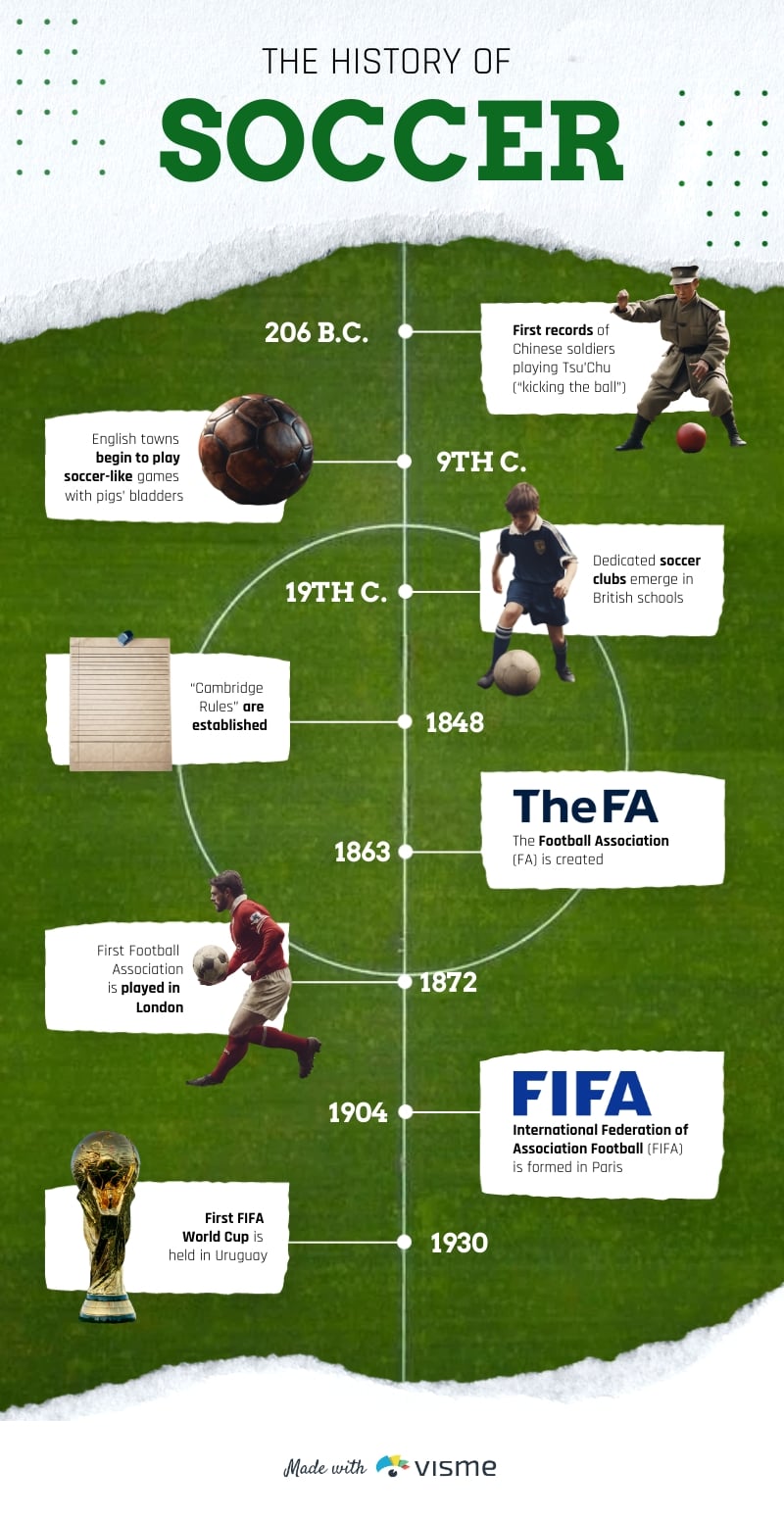
The 90-minute standard is for adult professional and high-level amateur play. Other levels have different regulation time rules.
- High School (U.S.): Often two 40-minute halves (80 minutes total) with a 10-minute halftime.
- Youth Soccer (U-12 and below): Halves can be as short as 25 minutes, with a 5-10 minute break. The focus is on participation and development, not endurance.
- Futsal & Indoor Soccer: These are different sports with different rules, typically featuring two 20-minute halves with a stopped clock.
The halftime break is also shorter at these levels. The principle remains: the clock is a guide, and the referee manages the true time. But the shorter halves are a physical necessity for developing players.
The Referee’s Absolute Authority Over Time
This is the non-negotiable core of soccer’s timing. The referee has the final say on three critical points:
1. When each half starts and ends.
2. How much stoppage time is added.
3. Whether to extend play for a penalty kick awarded before time expired.
The fourth official’s board is a communication tool, not a command. If a foul occurs as the added time expires, the referee will allow the resulting free kick or penalty to be taken. The half only ends when that play concludes.
Common mistake: Arguing with the referee about time. Their decision is final and cannot be protested after the match. I learned this early as a player—yelling about “one more minute!” just earns you a yellow card for dissent.
This authority prevents teams from time-wasting their way to a win as the clock ticks down. Knowing the referee will add it back removes the incentive.
Frequently Asked Questions
Does the clock ever stop in soccer?
No, not like in basketball or American football. The match clock runs continuously from 0:00 to 45:00 and 45:00 to 90:00. “Stoppage time” is added at the end to make up for pauses, but the clock itself never stops.
Can a soccer game end before 90 minutes?
Extremely rarely. A referee can abandon a match due to severe weather, crowd trouble, or an unplayable pitch. A team can also forfeit. But under normal circumstances, the full 90 minutes (plus added time) are always played.
Why is there more stoppage time now than before?
Directives from FIFA and IFAB have instructed referees to more rigorously account for time lost to celebrations, substitutions, and injuries. The goal is to increase effective playing time and reduce time-wasting. The 2022 World Cup was a visible enforcement of this policy.
Is halftime exactly 15 minutes long?
In professional matches, yes. The referee starts a 15-minute timer at the halftime whistle. Players must be ready to restart when it ends. In some amateur or youth leagues, halftime can be shorter, like 10 minutes.
What happens if a penalty is awarded after 90 minutes?
The referee will add time for the penalty kick to be taken. The half cannot end until the kick is completed and the ball stops moving or goes out of play. This can lead to several minutes of play beyond the displayed stoppage time.
The Bottom Line
A soccer match is a 90-minute promise of active play, bookended by a mandatory 15-minute reset. The referee guards this promise by adding back every second lost to stoppages. The result is a flowing, clockless game where the final whistle is a surprise, not a schedule. Plan for at least 105 minutes from kickoff. If it’s a cup final, clear your evening. That’s when the 90-minute standard is just the opening act.
I come from the “soccer heart” of Germany, the Ruhrpott. I have played, trained and followed soccer all my life and am a big fan of FC Schalke 04. I also enjoy following international soccer extensively.