Takefusa Kubo: Complete Player Profile for the World Cup
Takefusa Kubo’s 2026 World Cup profile is that of a central playmaker, not a winger. Now 24, he is Japan’s primary creative hub, operating in congested half-spaces to design chances through elite dribbling, incisive passing, and intelligent movement for both Real Sociedad and the national team.
Takefusa Kubo’s profile for the 2026 FIFA World Cup is defined by his status as a key creative force for Japan and a consistent performer for La Liga’s Real Sociedad. At 24, he has evolved from a promising winger into a central tactical hub, tasked with designing decisive chances through dribbling, incisive passing, and intelligent movement in the half-spaces.
Most profiles get his position wrong. They still list him as a pure right winger. That was his role in 2022. For 2026, Japan’s manager and Real Sociedad’s system have moved him inside. He now operates where the game gets congested, and his job is to untangle it. This guide breaks down the contract specifics, the stats that matter, and the tactical shift that makes him Japan’s most important player heading to North America.
Key Takeaways
- Kubo’s contract at Real Sociedad runs until 2029 with a 60 million euro release clause; Real Madrid retains 50% of any future capital gain, but Sociedad holds 100% of his sporting rights.
- His role has fundamentally changed from a touchline winger to a central, half-space creator, a shift confirmed by both La Liga’s data and Japan’s qualification tactics.
- He was instrumental in Japan’s qualification, scoring against Bahrain and contributing a goal and two assists in a key win over Indonesia in June 2025.
- Advanced metrics show his value lies in “high-impact runs” and final-third passing that lead directly to shots, not just traditional dribbling.
- For Japan to advance past the group stage, Kubo must be the primary connector between midfield buildup and the attacking line, functioning as a game-shaper, not just a game-participant.
Takefusa Kubo: The 2026 World Cup Profile at a Glance
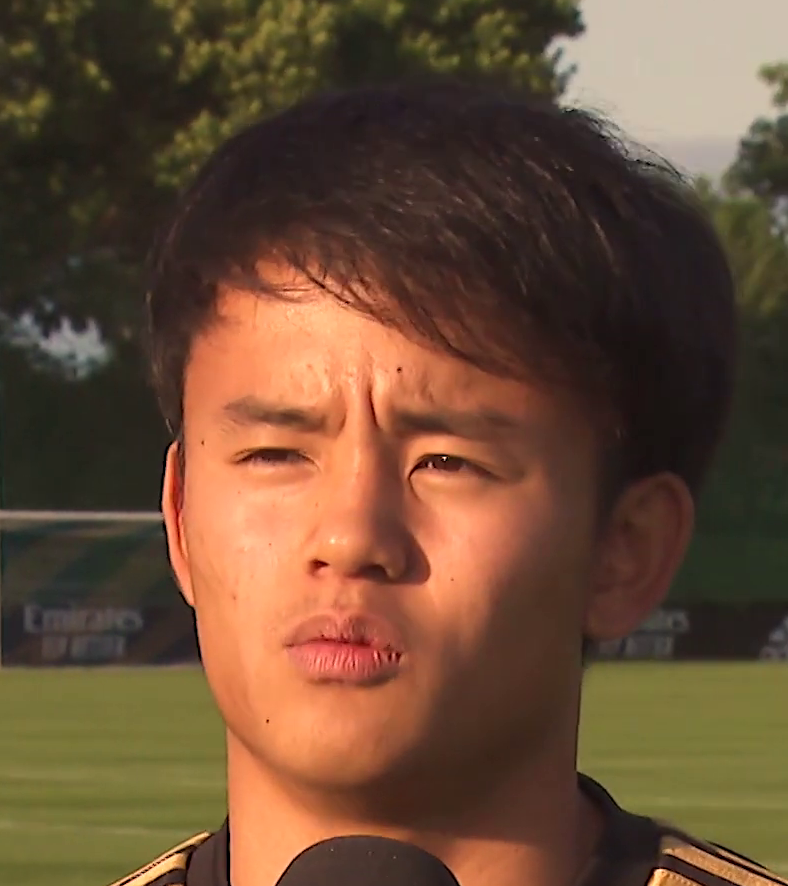
Photo: Real Madrid / Wikimedia Commons / CC BY 3.0

Forget the basic Wikipedia table. His real profile is a blend of cold financial facts and hot tactical relevance. He joined Real Sociedad in July 2022 after a nomadic period that included stops at Real Madrid, Mallorca, Villarreal, and Getafe. The stability in San Sebastian changed everything.
Takefusa Kubo (born 4 June 2001) is a Japanese professional footballer who plays as an attacking midfielder or right winger for La Liga club Real Sociedad and the Japan national team. A left-footed player renowned for his technical skill and dribbling, his contract with Real Sociedad expires on 30 June 2029. The club holds 100% of his player rights, with a termination clause set at 60 million euros, while Real Madrid retains 50% of any future capital gain from a transfer.
His physical specs are standard for a modern creator: 1.73 meters (about 5’8″) with a low center of gravity. That matters in tight spaces. The left-footed preference is crucial, it shapes his passing angles and cutting-inside movement. You can find his full career timeline and statistics on his Wikipedia biography of Takefusa Kubo.
The financial clause is a talking point for club fans, but for national team followers, it’s a signal of his market value and the security of his club situation. He’s not a player in limbo. He’s anchored, which matters for World Cup focus.
From Prodigy to Pillar: Club Career & Current Form
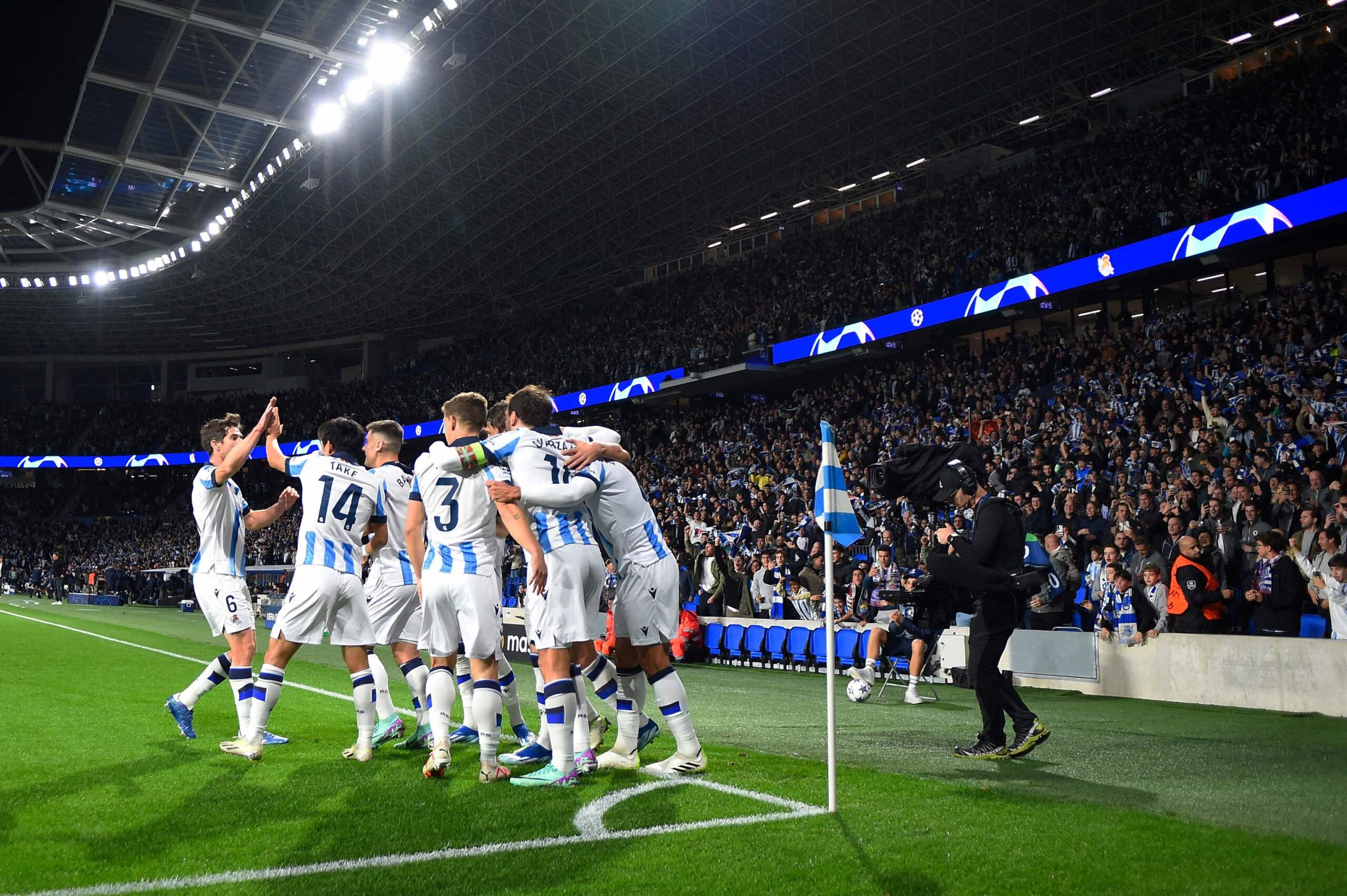
Photo: Fan real sociedad / Wikimedia Commons / CC BY-SA 4.0

Kubo’s club journey is a masterclass in patience finding the right fit. His early career was marked by incredible hype, he was the “Japanese Messi” who signed for Barcelona’s La Masia as a kid. Reality was a series of loans. The turning point was the permanent move to Real Sociedad. It gave him a system, a defined role, and consistent minutes.
The numbers tell a story of maturation, not explosion.
| Season | Club | League Appearances | League Goals | Notable Achievement |
|---|---|---|---|---|
| 2022-23 | Real Sociedad | 35 | 9 | Established as a starter |
| 2023-24 | Real Sociedad | 30 | 7 | Consistent creative output |
| 2024-25 | Real Sociedad | 36 | 5 | Copa del Rey Winner |
| 2025-26* | Real Sociedad | 24 | 2 | Key player in deep squad |
*Stats as of May 2026 squad announcement.
The goal tally dipped in 2024-25, but that’s misleading. His role expanded. He dropped deeper to link play, and his assist potential rose. He added 2 goals in 11 international cup matches that season. Winning the Copa del Rey in April 2026 with Sociedad is a tangible trophy that underscores his winning contribution at club level.
Common mistake: Judging Kubo only on league goals, his evolving role at Sociedad sees him creating more chances from deeper, a trade-off that makes Japan’s attack less predictable.
His form in the 2025-26 season leading into the World Cup is about rhythm, not racking up numbers. Twenty-four league appearances for a top-half La Liga side while managing international travel is a sign of durability. He’s avoiding the injury nags that plague other fastest soccer players who rely purely on explosive pace.
TL;DR: Kubo’s club career found stability at Real Sociedad, transforming him from a loanee into a trophy winner and a consistent, chance-creating starter in one of Europe’s top leagues.
The Engine of Japan: International Career & Road to 2026
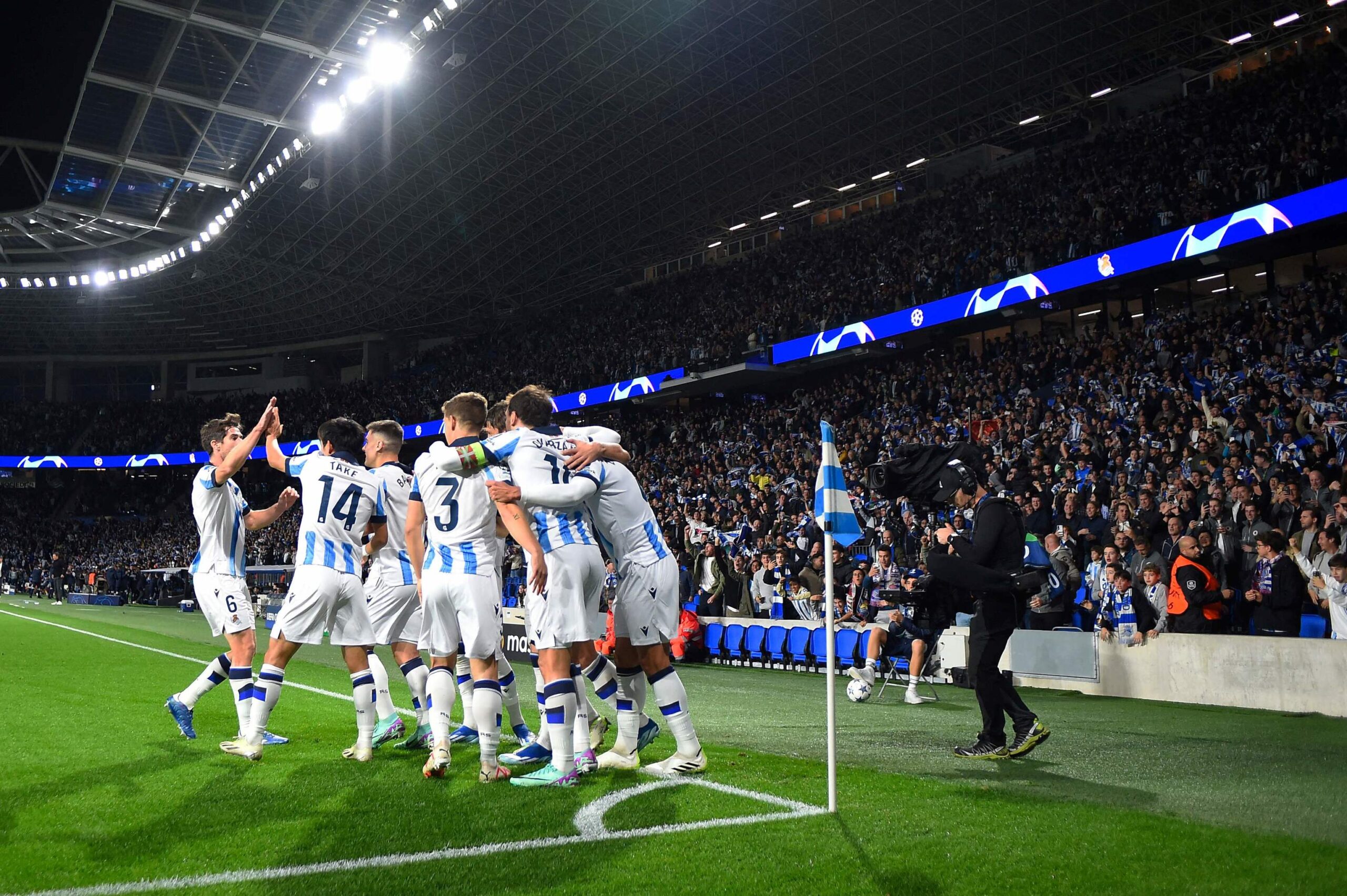
Photo: Fan real sociedad / Wikimedia Commons / CC BY-SA 4.0
Kubo’s national team arc mirrors his club one: early buzz, followed by integration, now leading to indispensability. He debuted for Japan in 2019 and was a part of the 2022 World Cup squad, starting in the historic wins over Germany and Spain. He was a talented component then. Now, he’s the engine.
The 2026 Asian qualification cycle removed all doubt. He wasn’t just playing; he was deciding matches.
- March 2025: Scored in a crucial qualifier against Bahrain, helping secure Japan’s passage to the World Cup. The goal wasn’t a tap-in. It was a moment of individual quality in a tight game, exactly what you need from a star.
- June 2025: Put on a masterclass against Indonesia, contributing one goal and two assists in a decisive victory. This performance showcased his full toolkit: finishing, passing vision, and the ability to dictate tempo.
The Japan Football Association (JFA) officially named him to their 26-man squad for the 2026 World Cup on May 15, 2026. This wasn’t a surprise. It was a formality. His name was the first on the team sheet for the attacking midfield role.
Looking at other youngest professional debuts, Kubo’s early start with Japan’s senior team provided invaluable big-game experience that is now paying off. He’s no longer the prodigy. He’s the experienced 24-year-old with over 30 caps, expected to guide the next wave of teenage prodigies who might break through.
Deconstructing the “Kubo Role”: Playing Style & Tactical Fit
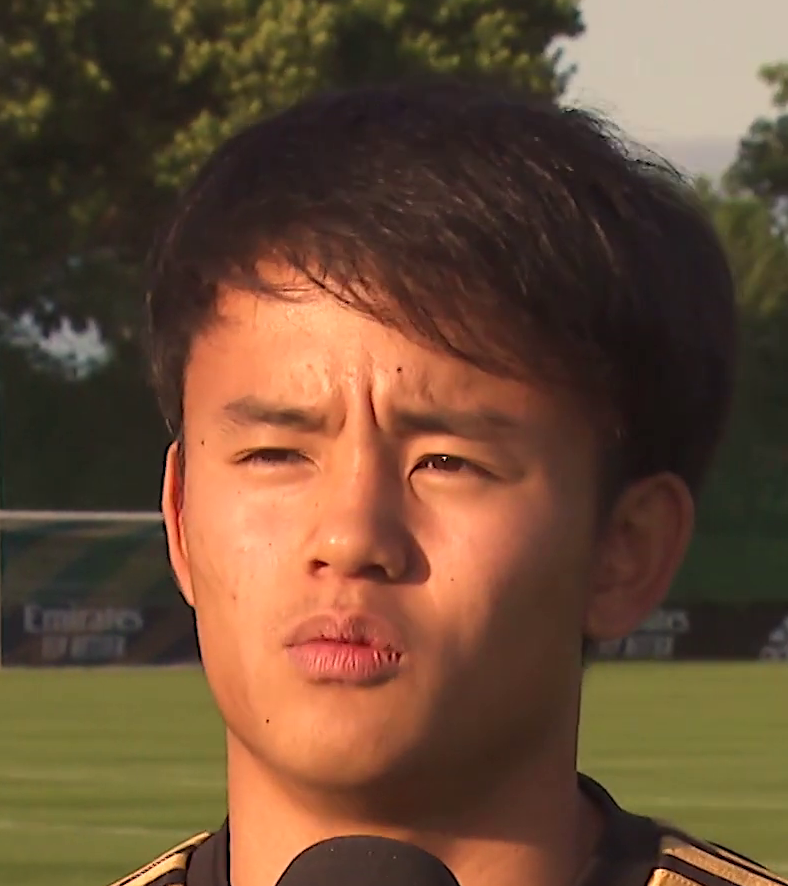
Photo: Real Madrid / Wikimedia Commons / CC BY 3.0
Calling Kubo a winger is like calling a Swiss Army knife just a blade. It misses the point. La Liga’s own analysis in January 2025 pinpointed it: his value is in “high-impact runs”, dribbles or passes that lead directly to a shot within two actions. He’s a catalyst.
His technical ability is the foundation. Left foot glued to the ball, close control in a phone booth. But his football IQ is what separates him. He receives the ball under pressure, back to goal or side-on, and his first touch is always away from trouble and into space. He doesn’t just beat a man; he moves the entire defensive block with his positioning.
I used to think his future was as an inverted winger, cutting in to shoot. Watching him weekly for Sociedad changed that. He now thrives in the half-space, the channel between the center-back and full-back. From there, he can see everything: the full-back overlapping, the striker making a run, the weak-side winger drifting in. He picks the killing pass.
This evolution makes him perfect for modern soccer tactics guide principles that prize fluidity. He can start on paper as a right-sided attacker in a 4-3-3, but within five minutes, he’s floating centrally, creating a 4-4-2 diamond in possession. This movement is a nightmare for rigid defenses.
| Traditional Winger (2022) | Half-Space Creator (2026) | Why It Matters for Japan |
|---|---|---|
| Primary task: Beat full-back, cross | Primary task: Receive between lines, turn, pass | Creates numerical superiority in central zones |
| Impact: Isolated on flank | Impact: Integrates with midfield and striker | Makes Japan’s attack less predictable and more connected |
| Weakness: Can be marked out by double-team | Weakness: Requires disciplined midfield cover | Demands a specific system, which Japan has built |
This role requires specific teammates. He needs a striker who makes intelligent runs and a midfield that covers his defensive responsibilities. Japan has been building that. His skill set is reminiscent of the creativity found in histories of the most assists in history, though he’s building his own legacy.
TL;DR: Kubo’s playing style has evolved into that of a central, half-space playmaker whose dribbling and passing are designed to break defensive lines immediately, making him the tactical centerpiece of Japan’s 2026 approach.
2026 World Cup Expectations & Potential Impact
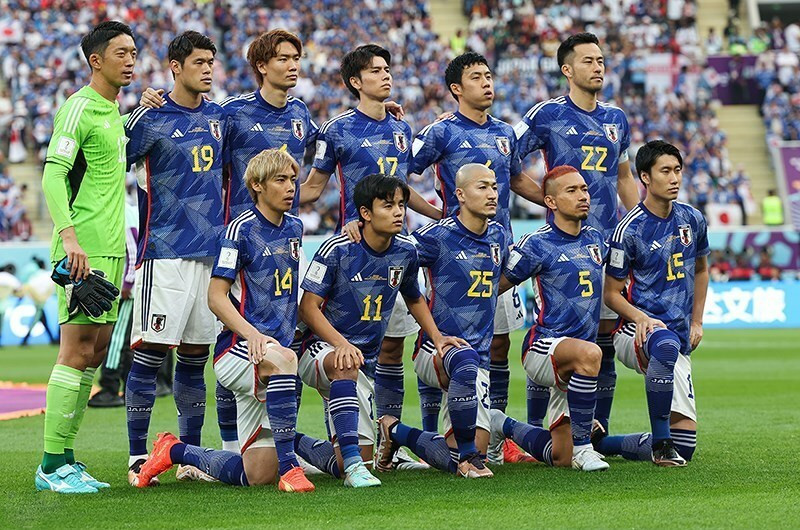
Photo: حسین ظهروند / Wikimedia Commons / CC BY 4.0
.jpg)
Expectations are concrete. He is not a “maybe he’ll shine” player for Japan. He is the “if he plays well, Japan advances” player. The Samurai Blue will likely face at least one global powerhouse in the group stage, akin to the Germany/Spain draw in 2022. In those games, possession will be scarce. Kubo’s ability to be efficient with limited touches is paramount.
His job is to be the designer of the one or two clear chances Japan might generate against elite opposition. This is a different pressure than being a famous Argentine player like Lionel Messi, who was expected to both create and score in volume. Kubo’s burden is about precision, not volume.
Scenarios where he decides Japan’s fate:
1. Against a low-block team: He will be the primary unlocker, using his dribbling to draw defenders and slip passes through crowded boxes. His performance against Indonesia is the blueprint.
2. In a transition game: His ability to receive a clearance, turn, and instantly spring a counter with a 30-yard pass could produce a tournament-defining goal.
3. Set-piece delivery: As a left-footed technician, he will likely take corners and some free-kicks from the right side, adding another direct assist threat.
The comparison to other underrated football talents ends here. Kubo is now properly rated. Opponents will game-plan for him. They will try to force him wide, back onto his weaker right foot, and into physical battles. Beating that plan is his final test.
Success for Kubo at the 2026 World Cup won’t be measured in a Golden Boot. It will be measured in passes that slice open a defense, in dribbles that win a crucial penalty, in the quiet control that lets Japan play through the press. If he delivers that, Japan could mimic the deep runs of other nations with a single transcendent creator, much like past Argentine football legends.
Physical & Developmental Profile
At 24, Kubo is entering the physical prime most analysts project for technical players. His game was never based on outright bully strength, but he has added noticeable core stability since his early 20s. You can see it when he shields the ball now, he doesn’t get bounced off it as easily.
His sprint speed is good, not elite. He won’t burn past defenders on a pure footrace like the world’s fastest footballers. His acceleration over the first five yards is what’s devastating. That quick burst creates the half-yard of space he needs to deliver his pass or take his shot.
The major development has been mental. The frustration that sometimes led to petulant fouls or forced shots has been coached out of him. At Sociedad, under Imanol Alguacil, he learned patience. He understands that influencing a game can mean three simple passes that switch the point of attack, not just a dribble through three men. This maturity is what separates a talent from a leader, and it’s why Japan will lean on him in the high-stress moments of a World Cup.
A disciplined soccer player diet and professional regimen have kept him largely injury-free during his key development years. This durability is a silent asset. Going into a summer tournament after a long European season, the players who have managed their bodies best often have the biggest impact.
Frequently Asked Questions
What is Takefusa Kubo’s release clause at Real Sociedad?
His contract with Real Sociedad contains a termination clause of 60 million euros. Real Madrid retains 50% of any future capital gain (profit) from a sale, but Real Sociedad holds 100% of his sporting rights.
How many goals did Kubo score in World Cup 2026 qualification?
He scored key goals in the final qualification round, including one against Bahrain in March 2025. He also contributed a goal and two assists in Japan’s win over Indonesia in June 2025, underlining his creative importance.
Is Takefusa Kubo injured for the 2026 World Cup?
As of the JFA’s squad announcement on May 15, 2026, Takefusa Kubo was named in Japan’s 26-man roster with no reported injury concerns. His club minutes for Real Sociedad in the 2025-26 season indicate he is fit and in regular playing rhythm.
What position will Kubo play for Japan at the World Cup?
While he can start on the right side of the attack, his primary role will be as a central, half-space creator. He will drift inside to receive the ball between the lines and be responsible for linking midfield to attack and creating the majority of Japan’s clear chances.
How does Kubo’s role compare to his 2022 World Cup role?
In the 2022 World Cup, he was used more as a traditional right winger, tasked with stretching play and taking on defenders. For 2026, his role is more central and influential, focusing on chance design rather than just wing play.
Which club does Takefusa Kubo play for?
He plays for La Liga club Real Sociedad, having joined them permanently in July 2022. He was a key part of their Copa del Rey-winning team in April 2026.
The Bottom Line
Takefusa Kubo arrives at the 2026 World Cup as a finished product. The wandering talent has solidified into a tactical pillar for both his club and country. His profile is no longer about potential; it’s about specific, high-value actions in the most important areas of the pitch.
Japan’s hopes are tied to his ability to translate his La Liga form onto the world’s biggest stage. He has the contract security, the tactical understanding, and the proven big-match temperament. The narrative has shifted from wondering if he’ll succeed to seeing how far his success can carry his nation. He is the definitive Japanese star of his generation, and the 2026 tournament is his platform to cement that status globally. Watch for the left foot, the quick turn, and the pass that nobody else sees, that’s the Kubo signature.
I come from the “soccer heart” of Germany, the Ruhrpott. I have played, trained and followed soccer all my life and am a big fan of FC Schalke 04. I also enjoy following international soccer extensively.