Why Soccer Is Called Football in Most Countries Explained
The sport is called “football” in most of the world because that was its original English name, formalized in 1863. The term “soccer” is a British slang abbreviation for “association football” invented at Oxford University in the 1880s. It stuck in countries like the U.S. and Canada where a different local sport had already claimed the primary name “football.”
The confusion starts with a simple mistake. Most people assume “soccer” is an American invention, a clumsy rebranding of the world’s game. They get the history backwards.
This guide traces the split from medieval village games to modern FIFA mandates. You will see how university slang shaped global language and why a country’s favorite sport dictates what it calls yours.
Key Takeaways
- “Soccer” is not an Americanism. It is a 19th-century British slang term born at Oxford University.
- The global use of “football” stems from the 1863 founding of the Football Association in London, which codified “association football.”
- Countries that say “soccer” typically have a more popular domestic sport called “football” (e.g., American football, Australian Rules).
- Britain used “soccer” interchangeably with “football” until the 1970s, then dropped it as the term became associated with American culture.
- National federations in Australia and New Zealand have officially switched from “soccer” to “football” since 2005, aligning with global FIFA terminology.
From Medieval Mayhem to Association Rules
“Football” did not start as a refined sport. For centuries, it was a chaotic village tradition. The name simply meant a ball game played on foot, as opposed to on horseback. Early matches had few rules, massive player counts, and were often banned for causing public disturbances.
The earliest written mention dates to 1409. The game’s violent reputation is well documented in historical records and recent analyses like the NPR report on football’s origins. Everything changed in London on October 26, 1863.
Representatives from twelve clubs met at the Freemasons’ Tavern. Their goal was to standardize the rules and separate their game from the rougher “rugby football.” The new governing body was named the Football Association. Their codified game became formally known as “association football.”
The founding of the Football Association in 1863 created the first unified rulebook for “association football.” This formal naming, distinct from rugby football, established the term that would spread globally through British influence and colonization.
That meeting is the true birth of modern soccer. The Laws of the Game written there are the direct ancestors of today’s FIFA rules. Without that codification, the sport might have remained a collection of local variants.
TL;DR: Modern soccer was born in 1863 with the Football Association’s rulebook, which formalized the name “association football” and provided a template for global export.
The British Invention of “Soccer”
Here is the twist. The word “soccer” is as British as a rainy Tuesday in Stoke. It emerged in the 1880s from the university slang of Oxford and Cambridge. Students had a habit of adding “-er” to shortened words. Rugby football was “rugger.” Association football became “soccer.”
It was a casual, insider term. For decades, “soccer” and “football” were used interchangeably in England. The term was not a mark of ignorance but of familiarity. You can still find British newspapers from the mid-20th century using “soccer” in headlines.
| Era | Term Used in Britain | Context & Notes |
|---|---|---|
| Late 1800s | “Soccer” emerges | Oxford University slang, used alongside “football.” |
| Early–Mid 1900s | “Soccer” & “Football” | Used interchangeably in media and common speech. |
| 1970s onward | “Football” dominates | “Soccer” declines as it becomes associated with American usage. |
The shift in Britain is a story of cultural association. After the 1970s, the growth of the North American Soccer League and American media exports made “soccer” sound increasingly transatlantic. Brits began to see it as a foreign term for their national game and gradually abandoned it. The very word they invented started to feel like an import.
Common mistake: Believing Americans invented “soccer” — the term was commonplace in England for nearly a century before fading due to cultural shifts, not because it was wrong.
This historical detail is crucial for any discussion of global terminology for association football. The terminology divergence was not instant. It was a slow drift over a century, shaped by sport, media, and identity.
Why “Soccer” Stuck in America, Canada, and Beyond
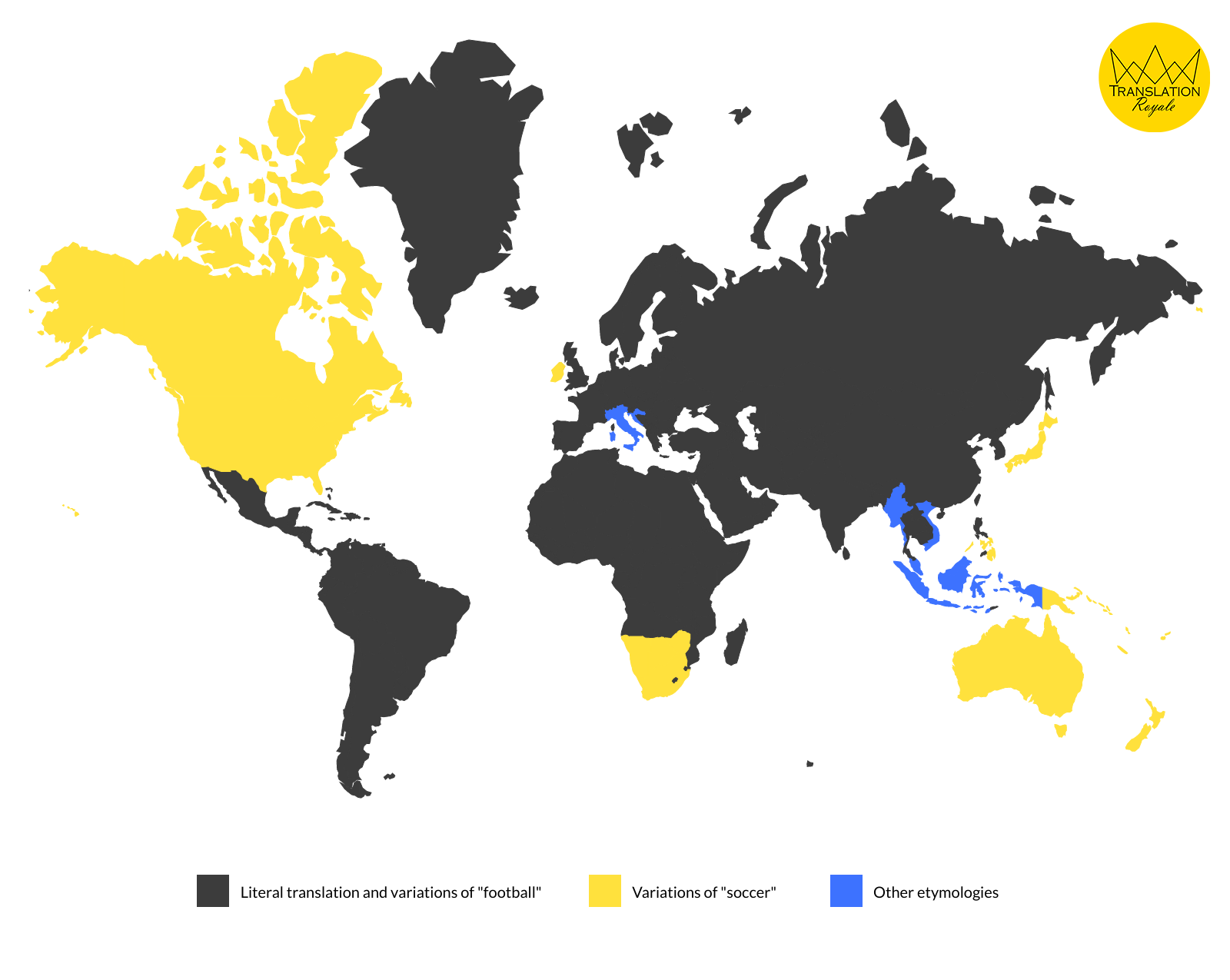
The word did not cross the Atlantic by accident. It filled a practical need. When association football arrived in the United States and Canada in the late 19th century, it found a crowded sporting landscape. A local variant, American football, was rapidly evolving from rugby and already claiming the generic name “football.”
To avoid constant confusion, the British import kept its distinctive nickname. “Soccer” became the clear label in newspapers, schools, and sports clubs. The same logic applied in Australia, where Australian Rules football (AFL) was king, and in New Zealand, dominated by rugby union.
The pattern is systematic, not random. A country’s primary “football” code steals the generic term, forcing association football to adopt its secondary British name.
| Country | Primary “Football” Code | Term for Association Football | Recent Shift? |
|---|---|---|---|
| United States | American Football | Soccer | No shift. “Soccer” is firmly vernacular. |
| Canada | Canadian Football | Soccer | No shift. |
| Australia | Australian Rules (AFL) | Traditionally “Soccer” | Yes. Governing body renamed to Football Federation Australia in 2005. |
| New Zealand | Rugby Union | Traditionally “Soccer” | Yes. New Zealand Soccer became New Zealand Football in 2007. |
| South Africa | Rugby Union | Soccer (from Afrikaans sokker) | “Football” is also widely used. |
This is not about “correctness.” It is about linguistic utility. In the U.S., “soccer” stopped feeling like a borrowed word decades ago. It became the natural, vernacularized term. Asking an American why they say “soccer” is like asking a Brit why they call a truck a “lorry.” It is just the local word.
The persistence of soccer in the US is a perfect case study in how language solidifies around utility. The historical divergence was a practical solution that became a cultural norm.
TL;DR: “Soccer” stuck where a local sport monopolized the name “football.” It was a practical label that became the natural local term.
The Global Map of Football vs. Soccer
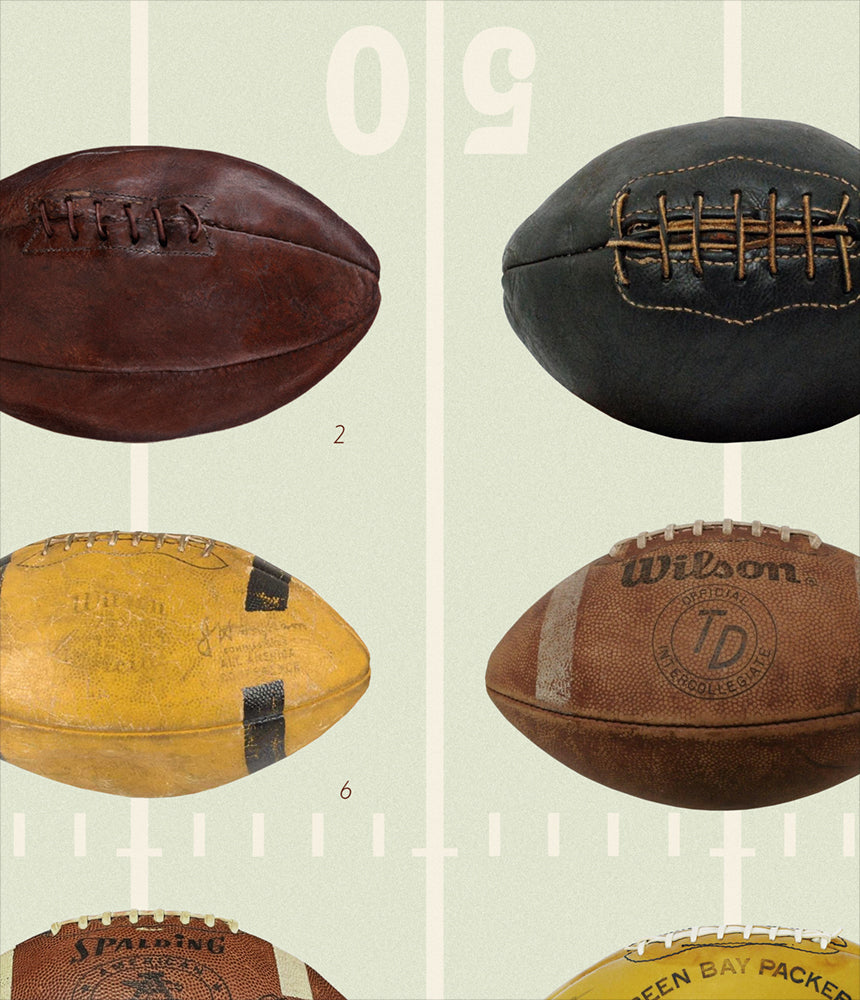
Most of the world followed Britain’s lead and never stopped. When the sport spread through the British Empire and international trade, it was “football” that traveled. From fútbol in Spain and Latin America to futebol in Brazil and fussball in Germany, the translation of “football” is nearly universal.
FIFA, the sport’s world governing body, uses “football” in its very name (Fédération Internationale de Football Association). This official stance reinforces the global standard. For a detailed look at regional variations, our terminology guide breaks down the global naming differences.
The map has moving borders, though. The most notable changes are official rebrandings by national federations.
- Australia: The governing body changed its name from “Australian Soccer Association” to “Football Federation Australia” in 2005. Media and fans increasingly use “football,” though “soccer” remains common, especially for the national team, the Socceroos.
- New Zealand: “New Zealand Soccer” became “New Zealand Football” in 2007. The shift is ongoing in public usage.
- Ireland: Older generations may say “soccer” to distinguish from Gaelic football, but “football” is now standard.
These changes are not just cosmetic. They represent a conscious effort to align with the global football community and shed the perceived “otherness” of the term “soccer.” The cultural terminology differences are now a battleground for the sport’s identity in these nations.
Soccer vs. Football: More Than Just a Name
The debate is rarely just about linguistics. It carries weight. For many fans outside the “soccer” zones, using the term feels like a rejection of the sport’s global heritage, a symbol of American cultural insularity. Inside those zones, defending “soccer” is about defending a local linguistic identity.
This tension peaks every four years during the FIFA World Cup. American fans shouting “soccer” at a global event can draw eye rolls. Yet, the irony is thick. They are being criticized for using a word England invented and then discarded.
The conversation also touches on sport itself. Comparing the physical demands of soccer to American football often ignites arguments about toughness, strategy, and global appeal. The name becomes a proxy for a deeper cultural comparison.
I followed the German national team’s 2014 World Cup win from a pub in Chicago. The place was packed, the energy was pure fussball, but every American in the room called it “soccer.” The disconnect between the word and the shared passion in the air was palpable. It reminded me that the name matters less than the game itself.
Ultimately, both terms are historically accurate. “Football” is the original formal name. “Soccer” is a legitimate historical nickname that found a permanent home where it was needed most. The historical origins of the terms are intertwined, not opposed.
TL;DR: The name debate is loaded with cultural identity and perceived authenticity, but both “football” and “soccer” have rightful historical claims.
Frequently Asked Questions
Is “soccer” wrong?
No. It is a correct, historically British term for association football. It is the appropriate common name in countries like the United States and Canada to avoid confusion with their domestic football codes.
Why do the British get annoyed when Americans say “soccer”?
Because they mistakenly believe it is an American corruption of “their” word. In reality, Brits used it for a century before it became associated with American culture and fell out of favor at home. The annoyance is based on a historical misconception.
What does FIFA call it?
FIFA exclusively uses “football.” The “F” in FIFA stands for “Football” (Fédération Internationale de Football Association). All official documents, competitions, and broadcasts use “football.”
Will the United States ever switch to calling it “football”?
It is highly unlikely in the foreseeable future. American football is too culturally entrenched. The word “soccer” is completely vernacularized; it carries no sense of being a foreign or technical term. Any shift would require a monumental change in the American sports landscape.
What about video games like FIFA/EA FC?
This highlights the commercial split. The game is titled “EA Sports FC” globally now, but in North America, the sport within the game is often referred to as “soccer” in commentary and marketing to match local audience expectations.
Before You Go
The journey from “foteballe” to the FIFA World Cup is a story of rules, slang, and cultural conquest. “Football” is the official global standard, born in a London tavern. “Soccer” is its Oxford-educated sibling that found a new life abroad.
Remember, the British origins of soccer are well-documented. The global spread of the sport, detailed in our look at its historical diffusion, ensured both names would travel. The next time you hear the debate, you know the truth is more interesting than the insult. It is not about who is right, but how history and local pride shape the words we shout from the stands.

I come from the “soccer heart” of Germany, the Ruhrpott. I have played, trained and followed soccer all my life and am a big fan of FC Schalke 04. I also enjoy following international soccer extensively.