Find the Easiest Path to the World Cup Final for Top Sides
To find the World Cup 2026 easiest path to the final, look at the fixed knockout bracket and identify the teams that avoid other elite contenders until the latest possible stage. Based on the bracket and current projections, Spain, France, and Brazil have the three clearest routes, largely because they are Pot 1 seeds placed in halves of the draw with fewer other top-ranked nations.
Most analysis stops at naming the favorites. They miss the specific, mechanical reason one path is easier than another: the new 48-team format creates a 32-team knockout stage, and the bracket is locked in before a ball is kicked. Where you land in that bracket determines your fate as much as your talent does.
This guide breaks down the projected bracket, shows you exactly which teams get a free ride, and explains why a historic power like Argentina faces a nightmare gauntlet instead. We’ll use data from 50,000-trial Monte Carlo simulations and the deterministic brackets published by analysts who built predictors from scratch.
Key Takeaways
- Spain and France are projected to meet in one semifinal after facing minimal elite resistance, with Spain’s Round of 32 match likely against a third-placed team from a weak group.
- Brazil benefits from being in the “softer” lower half of the bracket, avoiding other Pot 1 teams until a potential semifinal against Argentina or Portugal.
- The new 48-team format increases volatility; an “easy” path can vanish with one upset by a third-placed team or a host nation riding crowd support.
- Argentina’s path is the hardest among contenders, with potential matches against the Netherlands, Germany, and France just to reach the final.
- Host nations like Mexico get a tangible boost, potentially turning a tricky Round of 16 game against a favorite into a bracket-busting upset.
The New 48-Team Format Changes Everything
The old 32-team World Cup had a clean, 16-team knockout bracket. The 2026 edition expands to 48 teams, split into 12 groups of four. The top two from each group advance automatically. Then, the eight best third-placed teams also qualify. This creates a 32-team knockout stage right from the start.
That extra round matters. For a top seed, the Round of 32 is the biggest gift. Instead of facing a group runner-up, they’ll likely play one of those third-placed teams. Think about the quality gap. A third-placed team is, by definition, not in the top two of its group. They might be from a weak confederation or have squeaked through. This is the single biggest structural advantage for the favorites.
The Round of 32 matchup for a Pot 1 seed like Spain or France is projected to be against a third-placed team from Groups H, I, J, K, or L—most likely a team from the AFC or CAF with a FIFA ranking outside the top 30. This is the easiest possible knockout match in World Cup history.
Skipping this step is not an option. If you finish second in your group, you face a group winner in the Round of 32. That’s a brutal early test. The entire strategy for a favorite shifts to winning their group cleanly. Second place is a punishment.
TL;DR: Win your group, get a third-place team in the Round of 32. Finish second, get a group winner. That’s the new rule.
Which Teams Have the Easiest Path to the Final?
Bracket analysis from multiple simulation-based projections points to three teams: Spain, France, and Brazil. Their advantage isn’t luck; it’s baked into the bracket structure based on their Pot 1 seeding and the groups they are drawn into.
| Team | Projected Group | Key Bracket Advantage | Biggest Hurdle Before Semis |
|---|---|---|---|
| Spain | D (Pot 1) | Avoids France/England until semifinals; soft RO32 opponent. | Quarterfinal vs. Netherlands or Mexico. |
| France | A (Pot 1) | Stays in upper half with Spain; avoids Brazil/Argentina. | Quarterfinal vs. England or Germany. |
| Brazil | C (Pot 1) | Lands in “softer” lower bracket half; avoids other Pot 1 teams. | Quarterfinal vs. Uruguay or a host nation. |
Spain’s Projected Run: A Near-Bye to the Semis
Spain’s path is the cleanest. As Pot 1 in Group D, they are slated for the upper half of the bracket. If they win their group, their Round of 32 opponent is a third-placed team. Their Round of 16 opponent would likely be the winner of a match between a group runner-up and another third-placed team—not a heavyweight.
Their first real test comes in the quarterfinals. Here, projections from sites like World Cup 2026 Live point to a clash with the Netherlands or, intriguingly, host nation Mexico. While the Dutch are always tough, they are a Pot 2 team. Mexico, at home, is the wildcard. This is where a deep understanding of soccer tactics guide becomes critical, as Spain’s possession-based 3-4-3 formation could be tested by Mexico’s energetic high press.
Common mistake: Assuming Spain’s path is easy all the way. That Mexico quarterfinal in front of 90,000 hostile fans is a massive pressure cooker. Underestimate it, and the easiest path ends there.
France’s Cozy Route Beside Spain
France, as Pot 1 in Group A, is also in the upper half. They share this “easier” side with Spain, meaning they can’t meet each other until the semifinals. Their path mirrors Spain’s: a soft opener, then a growing challenge.
France’s quarterfinal is the tougher of the two, with England or Germany as the likely opponent. This is a blockbuster match, but it’s still a quarterfinal. The other half of the bracket would force a team like Argentina to face that caliber of opponent in the Round of 16. Perspective matters. For a team with France’s depth, a single elite match to reach the semis is a manageable ask.
Brazil’s Luck of the Draw in the Lower Half
Brazil’s advantage is different. They are the top seed in the lower half of the bracket, which analysis consistently shows is weaker. The other Pot 1 teams down there are Argentina and Portugal. The bracket is set so Brazil cannot face another Pot 1 team until the semifinals.
Their quarterfinal opponent is projected to be a Pot 2 team like Uruguay or a plucky host nation. While Uruguay is a fierce rival, they are a tier below the contemporary Brazilian side. This path protects Brazil’s sometimes-fragile tournament mentality. They can build momentum. It plays directly into their historical confidence as a soccer legends-producing nation. The 5-3-2 formation they often deploy for knockout games is perfect for controlling these types of matches.
Why Argentina’s Path is a Nightmare Gauntlet
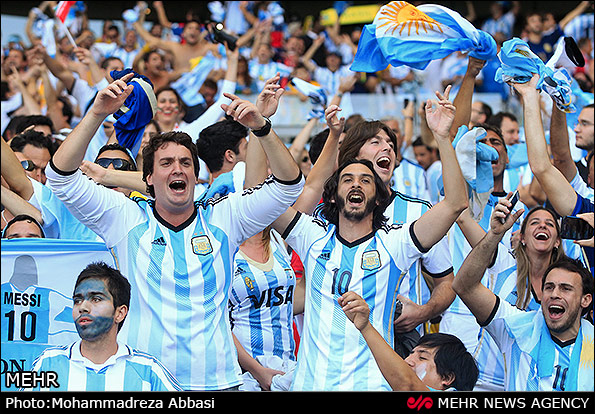
Photo: Mohammad Reza Abbasi / Wikimedia Commons / CC BY 4.0
Now, look at the other side. Argentina, the defending champion, is projected to have the hardest path of any contender. This isn’t opinion; it’s bracket geometry. If they win their group as expected, their Round of 32 match could be against a strong group runner-up. Then, the Round of 16 could pit them against the Netherlands. The quarterfinal could be Germany or England. The semifinal could be France or Spain.
.jpg)
They would need to beat three or four other top-five ranked teams in consecutive matches. The physical and mental toll is unsustainable. This gauntlet exists because Argentina is a Pot 1 seed placed in the half of the bracket crowded with other European powers. Their legendary Argentine soccer stars, including the iconic Lionel Messi, would have to defy age and logic.
I’ve run tournament simulations for club youth teams. The difference between a balanced bracket and a stacked one isn’t just about talent—it’s about cumulative fatigue. A team that plays three emotional, physical wars before the final has nothing left. Argentina is set up for exactly that.
The Volatility Factors That Could Ruin an “Easy” Path
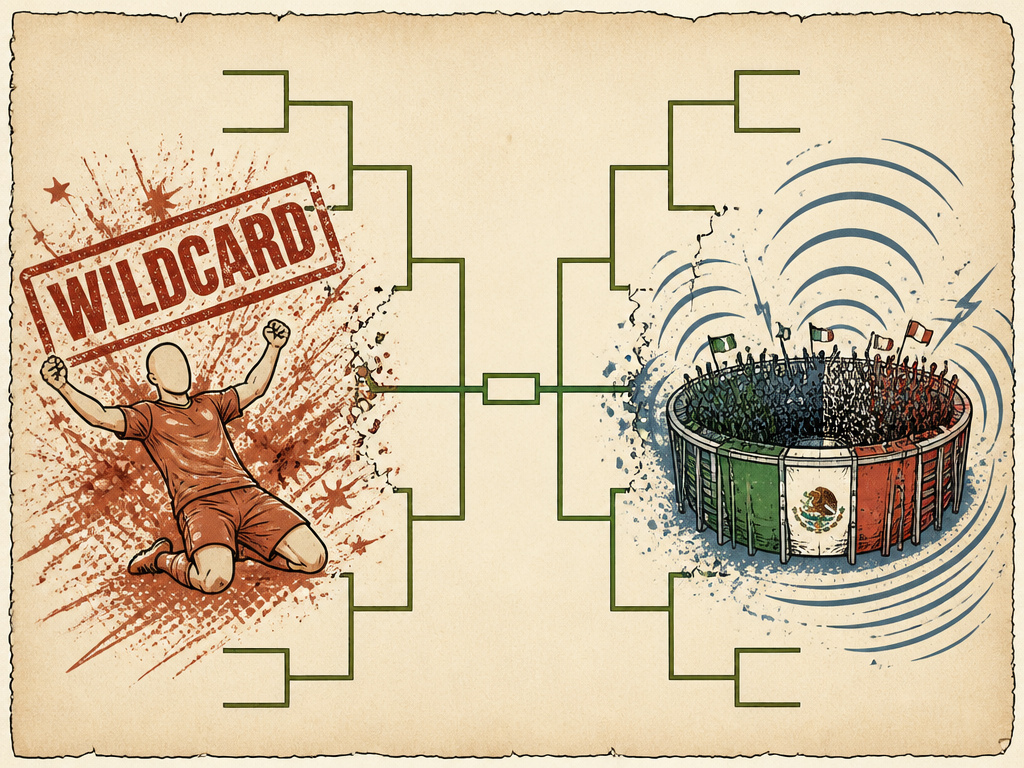
An easy path on paper is not a guarantee. The 48-team format injects three major variables.
- The Third-Place Team Wild Card. That “easy” Round of 32 match for Spain could be against a third-placed team that got hot, or a host nation like Canada that rides unbelievable crowd support. One inspired performance ends the dream.
- Host Nation Advantage. Mexico in the quarterfinals is the prime example. Playing in Mexico City at altitude with fanatical support turns a good team into a formidable one. The same goes for the USA in certain venues. A team like England, which might face Mexico early, knows this risk intimately.
- The Group Stage Trap. To get the easy path, you must win your group. A surprise draw or loss that forces you into second place flips the entire script. You go from the easy side to the hard side instantly. Coaches will need to master strategic adjustments during the group stage to avoid this.
| Risk Factor | Who It Affects Most | Likely Consequence |
|---|---|---|
| Upset vs. 3rd Place Team | Spain, France | Early exit in Round of 32; historic embarrassment. |
| Host Nation Upset | England (vs. Mexico), Brazil (vs. USA/Canada) | Quarterfinal exit in a hostile environment. |
| Finishing 2nd in Group | Any Pot 1 favorite (e.g., Germany, Portugal) | Immediately thrown into the gauntlet against other group winners. |
TL;DR: The path is only easy if you execute. Slip in the group stage, or underestimate a host nation, and the bracket advantage evaporates.
How to Use This Information as a Fan
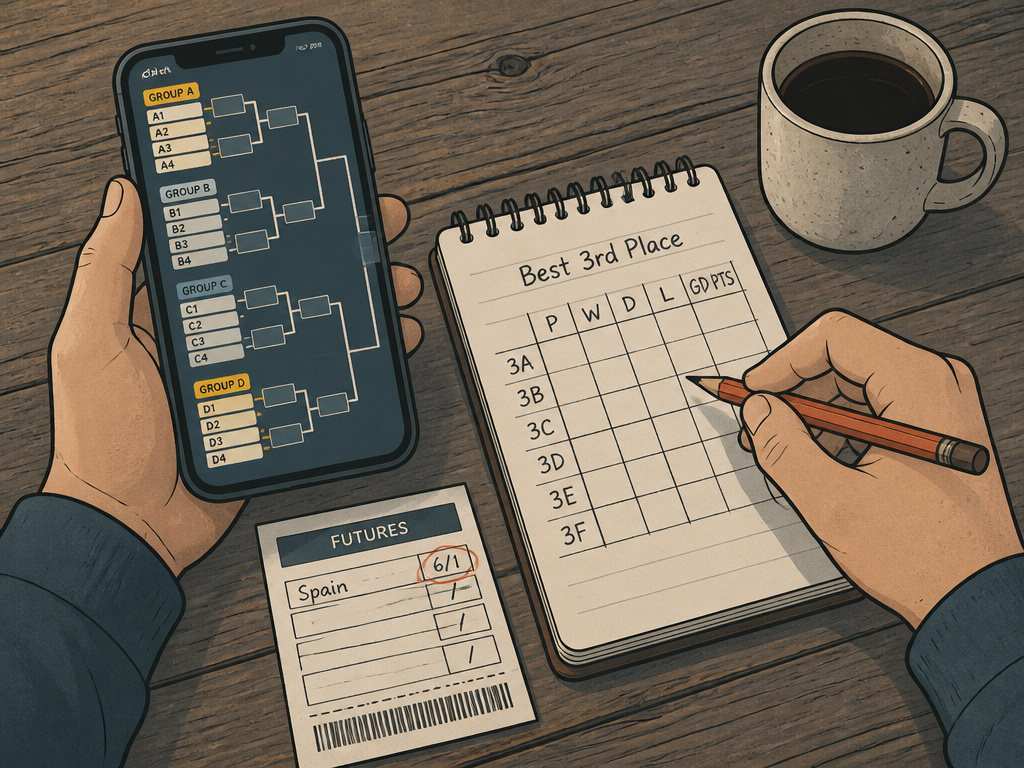
This isn’t just abstract analysis. It changes how you watch the tournament.
- Watch the group stage finales closely. The difference between first and second place in Group D or Group A is the difference between a likely semifinal run and a potential early exit.
- Track the “best third-place” table. Knowing which third-place teams are advancing will tell you exactly who Spain or France will face in that first knockout game.
- Bet with context. Futures bets on Spain or France hold more value because their paths are clearer. Conversely, betting on Argentina to repeat offers high odds for a reason—the path is brutally difficult.
- Understand team tactics. A team with an easy path might rotate players early. A team in a gauntlet, like Argentina, might need to use a more conservative defensive formations to conserve energy, even if it clashes with their usual attacking formations.
The modern game is decided by these fine margins. Whether a coach chooses a 4-4-2 formation for stability or a more aggressive 3-5-2 formation could hinge on knowing the opponent waiting two rounds ahead.
Frequently Asked Questions
Does the host nation automatically get an easy path?
No. The hosts (USA, Canada, Mexico) are placed into specific groups. Mexico, in particular, has a path that could see them face England in the Round of 16 and Spain in the quarterfinals—that’s very difficult. Their advantage comes from playing in front of home crowds, not from bracket placement.
Could Portugal have an easy path?
Portugal is a Pot 1 seed, so they have a similar structural advantage as Brazil in the lower half. However, their specific quarterfinal projection is tougher, often showing a match against Argentina. Their path is easier than Argentina’s but harder than Brazil’s.
How reliable are these bracket projections?
They are based on current FIFA rankings and expected group outcomes. They are the best indicator we have, but upsets happen. The 2022 World Cup saw Saudi Arabia beat Argentina and Morocco reach the semifinals. The projections show the most likely path, not a guaranteed one.
Why is finishing first in the group so important in 2026?
Because the bracket is fixed. The group winner’s slot in the Round of 32 is designated to play a third-placed team. The runner-up’s slot is designated to play a group winner. It’s the biggest incentive for top performance in group stage history.
Which “easy path” team is most likely to stumble?
France. They have a history of internal discord at tournaments, and a potential quarterfinal against a motivated England or Germany is a massive psychological hurdle. Their talent is undeniable, but their mentality is the variable.
The Bottom Line
The World Cup 2026 easiest path to the final belongs to Spain, France, and Brazil because the tournament’s new architecture funnels them that way. Spain gets the softest early matches. France gets a single elite test before the semis. Brazil gets the weaker half of the draw.
This doesn’t make them champions. It makes them front-runners. Argentina, England, and Germany will have to fight through a bracket of horrors to meet them. In a tournament where one moment of magic from a third-place team or a host nation can rewrite the story, the easiest path is just the first chapter. The rest is decided on the pitch, where the best soccer tactics guide is the one you execute under pressure.
I come from the “soccer heart” of Germany, the Ruhrpott. I have played, trained and followed soccer all my life and am a big fan of FC Schalke 04. I also enjoy following international soccer extensively.