World Cup Mascots: Maple, Zayu, Clutch & What They Mean
The 2026 FIFA World Cup mascots are Maple™ the Moose (Canada), Zayu™ the Jaguar (Mexico), and Clutch™ the Bald Eagle (USA). Each represents its host nation’s culture and spirit, with a designated football position. This trio of mascots is a first for FIFA, reflecting the tournament’s unique three-country hosting format.
The 2026 FIFA World Cup mascots are Maple™ the Moose (Canada), Zayu™ the Jaguar (Mexico), and Clutch™ the Bald Eagle (United States). This trio, unveiled in September 2025, marks the first time a World Cup has featured three mascots, reflecting the unprecedented three-host-nation format. Each character is designed with a specific football position and a backstory that embodies the culture and spirit of its country.
Most fans expect a single, cuddly character. FIFA’s move to a three-mascot system is a direct response to the unique hosting structure. It’s a logistical and symbolic nod to unity. This guide breaks down who they are, what they represent, and how they’ll be part of the fan experience long before the first kickoff.
Key Takeaways
- The 2026 World Cup features three mascots. Maple, Zayu, and Clutch, one for each host nation (Canada, Mexico, USA).
- Each mascot has a defined football position: Maple is a goalkeeper, Zayu a striker, and Clutch a midfielder.
- They are central to the tournament’s branding and will be playable characters in the upcoming “FIFA Heroes” video game.
- The mascots were unveiled less than nine months before the tournament starts, a relatively late reveal compared to past World Cups.
- Their designs and stories aim to celebrate national identity while promoting unity across the three host countries.
What Are the 2026 World Cup Mascots?
FIFA officially introduced Maple, Zayu, and Clutch on September 25, 2025. This announcement came just under nine months before the opening match. The timing feels tight. Past mascots often had two-year lead times. The condensed schedule for these official 2026 mascots signals FIFA’s integrated marketing push, everything from merch to video games will roll out in a focused wave.
The trio itself breaks tradition. Every World Cup since 1966 had one mascot. The 2026 edition needed three. The joint hosting decision for this multi-country tournament demanded a symbolic split. One character couldn’t represent Canada, Mexico, and the United States equally. So FIFA commissioned three. Each animal is a national symbol, and each is assigned a football role. It’s a literal representation of teamwork.
The 2026 FIFA World Cup will be the first edition co-hosted by three nations and the first to feature an expanded 48-team format, with 104 matches scheduled from June 11 to July 19, 2026.
This structural shift is massive. The expanded 48-team format changes the group dynamics and travel logistics across 16 host cities. The mascots aren’t just cute faces. They’re avatars for a new kind of global event. You can read a detailed report on the FIFA World Cup 2026 mascots announcement from ESPN, which confirmed the positions and backstories hours after the FIFA release.
TL;DR: Maple, Zayu, and Clutch are three mascots for three hosts, unveiled late as part of a unified push for the expanded 48-team tournament.
Meet the Trio: Maple, Zayu, Clutch
The character design is specific. These aren’t generic cartoons. Each has a personality, a position, and a purpose tied directly to its nation’s identity. The depth here is new. Past mascots were often abstract or purely symbolic. These three have narrative arcs.
Maple the Moose (Canada)
Maple is the Canadian mascot, a moose who plays goalkeeper. The choice of a moose over the more stereotypical beaver is interesting. It leans into rugged, northern resilience. FIFA’s backstory paints Maple as a street-style artist and music enthusiast who has traveled across Canada. That journey motif connects to the vast geography of the 2026 host cities.
As a goalkeeper, Maple represents defense, patience, and a last line of resolve. It’s a thoughtful position assignment. Canada’s men’s team is historically an underdog, often defending deeply in major tournaments. The mascot embodies that spirit. The artistic side speaks to Canada’s diverse, creative cities like Toronto and Vancouver. It’s a mascot with layers.
Common mistake: Assuming Maple is just a generic animal logo, the goalkeeper position and artist persona are deliberate nods to Canadian football culture and national identity.
Zayu the Jaguar (Mexico)
Zayu is the Mexican mascot, a jaguar who plays as a striker. The jaguar is a powerful symbol in Mesoamerican mythology, representing strength and agility. FIFA says the name “Zayu” is inspired by concepts of unity, strength, and joy. The character embraces Mexican culture through dance, food, and tradition.
Assigning the striker role to Mexico’s mascot is no accident. Mexican football is known for its attacking flair, technical skill, and passionate support. A jaguar striker captures that predatory, forward-moving energy. The focus on cultural elements like dance and food makes Zayu feel integrated, not just stamped on a shirt. This approach to mascot designs over time has evolved from simple symbols to full-fledged brand ambassadors.
Clutch the Bald Eagle (United States)
Clutch is the American mascot, a bald eagle who plays midfielder. The bald eagle is the unambiguous national bird. The name “Clutch” suggests performing under pressure, a key trait for a midfielder controlling the game’s tempo. FIFA describes Clutch as having an “unquenchable thirst for adventure” and leading by action.
The midfielder role is strategic. It’s the engine room, linking defense and attack. For a U.S. team that has built its modern identity on athleticism, work rate, and tactical organization, Clutch as a midfield eagle makes sense. The adventurous spirit aligns with the American tournament venues spread across the continent. He’s the connector, much like the U.S. hosting duties link the Canadian and Mexican halves of the event.
| Mascot | Country | Animal | Position | Core Trait |
|---|---|---|---|---|
| Maple | Canada | Moose | Goalkeeper | Creative Resilience |
| Zayu | Mexico | Jaguar | Striker | Cultural Joy |
| Clutch | United States | Bald Eagle | Midfielder | Adventurous Leadership |
TL;DR: Each mascot’s animal, position, and personality are carefully crafted to reflect its host nation’s football style and cultural spirit.
Why Three Mascots? The Symbolism Behind the Choice
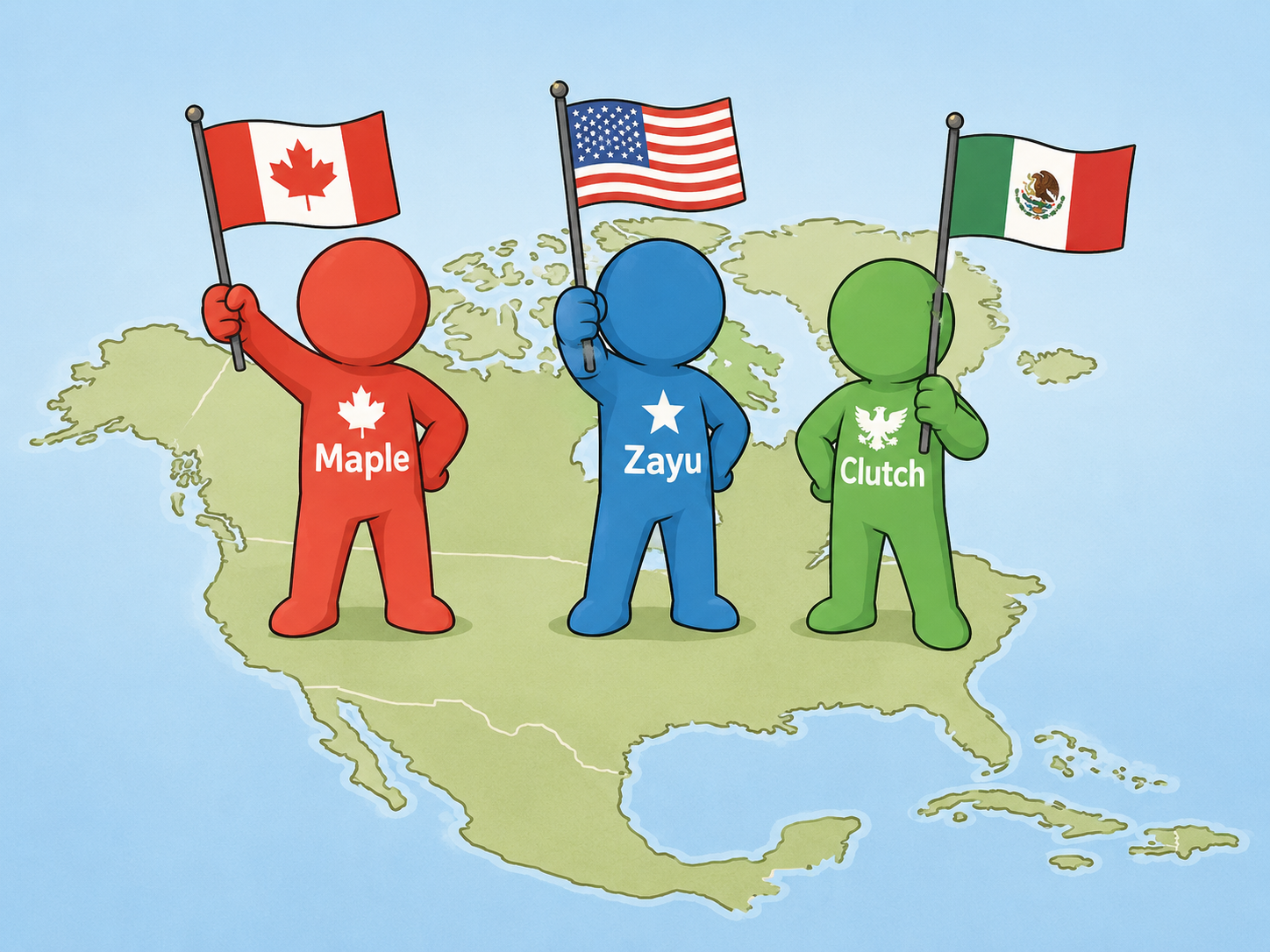
A single mascot for a three-nation tournament would have been politically clumsy. Who gets the representation? Splitting the duty was the only logical path. But FIFA didn’t just make three separate logos. They built a unified campaign. The 2026 tournament logo itself is a single trophy shape, but the mascots provide the human, or animal, touchpoints for each country’s fans.
The symbolism operates on two levels. First, it’s about national pride. A Canadian kid can identify with Maple, a Mexican fan with Zayu, an American with Clutch. Second, it’s about collective unity. The three characters are presented together as a team. They’re designed to “spark celebrations” together, as FIFA President Gianni Infantino stated. This unprecedented hosting format required a new kind of mascot strategy.
The 2026 World Cup coverage will inevitably feature them as a group, reinforcing the collaborative message. It’s a smart, if obvious, piece of branding. Compare this to the all World Cup mascots of the past. Most were solo acts representing a single host nation’s culture. The 2026 trio has to represent three distinct cultures while forming a single, cohesive marketing unit. It’s a tougher design brief.
I’ve followed every mascot reveal since Goleo in 2006. The fan reaction to a trio is always split. Purists hate the break from tradition. Modernists love the inclusive logic. This time, the split feels necessary, not gimmicky. You can’t host in New York, Mexico City, and Toronto with one character.
The FIFA Heroes Game and Merchandise
Photo: Fondo Antiguo de la Biblioteca de la Universidad de Sevilla from Sevilla, España / Wikimedia Commons / CC BY 2.0
.jpg)
The mascots won’t just be static symbols on posters. FIFA is integrating them into a new video game titled “FIFA Heroes,” set to launch next year under the FIFAe umbrella. The official 2026 mascots will be playable characters. This is a significant evolution in mascot utility.
Past mascots appeared in casual mobile games or as cameos. Being core, playable characters in a dedicated title is a step further. It’s a direct engagement play for younger fans who might connect more with a video game than a match ticket. The game will likely serve as a long-term platform for the 2026 World Cup mascots, keeping them relevant for years.
Merchandise is the other pillar. Mascot-themed shirts are already listed on FIFAStore.com. Expect the full suite: pins, plush toys, caps. The commercial logic is clear. Three mascots mean triple the merchandise potential, a fan can buy their nation’s mascot gear. This isn’t just about cuteness. It’s a revenue model. The 2026 visual identity will be everywhere, and these three faces will drive it.
| Platform | Role of Mascots | Target Audience | Launch Timeline |
|---|---|---|---|
| FIFA Heroes Game | Playable characters | Gamers, younger fans | 2026 (Pre-tournament) |
| Official Merchandise | Featured design on apparel, toys | General fans, collectors | Available from 2025 |
| Tournament Branding | Symbols for host nations | Global broadcast audience | June – July 2026 |
TL;DR: Maple, Zayu, and Clutch are central to a cross-platform strategy involving a new video game and extensive merchandise, extending their reach beyond the tournament itself.
How Do They Compare to Past World Cup Mascots?
World Cup mascots have evolved from simple designs to complex brand vehicles. Looking at the mascot history, 1966’s World Cup Willie (a lion) was a straightforward emblem. By 2022, La’eeb (a ghost-like figure) was an abstract representation of skill. The 2026 trio represents a pivot to literal, narrative-driven characters.
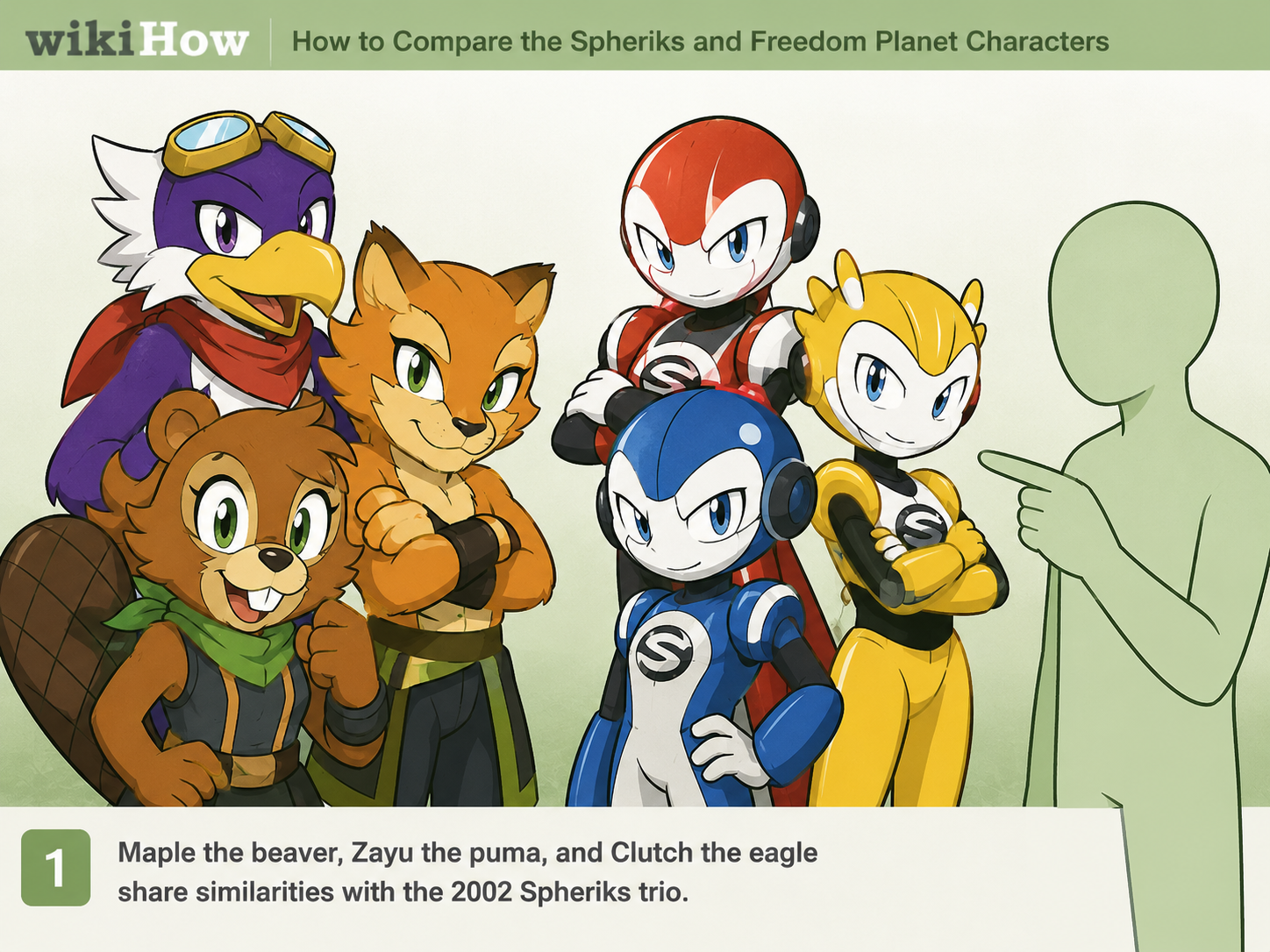
The most direct comparison is to 2002’s trio of Spheriks (Ato, Kaz, Nik) for the Japan/South Korea World Cup. They were futuristic, computer-generated creatures. Maple, Zayu, and Clutch are grounded in real national animals. The shift is from futuristic fantasy to earthy symbolism. This reflects a broader trend in sports branding toward authenticity and storytelling. For a complete look at iconic tournament mascots, our ranking of all World Cup mascots provides context on their evolving roles.
The evolution of mascots shows a clear line. Early mascots were posters. Modern mascots are IP. They appear in animations, social media content, and now video games. The 2026 trio is designed for this multi-platform life from the start. Their defined positions and personalities make them easier to animate and script. This wasn’t an afterthought.
Common mistake: Writing off mascots as kid’s stuff, the video game integration and narrative depth turn them into valuable intellectual property with a lifespan beyond the tournament.
What’s the Fan Reaction So Far?
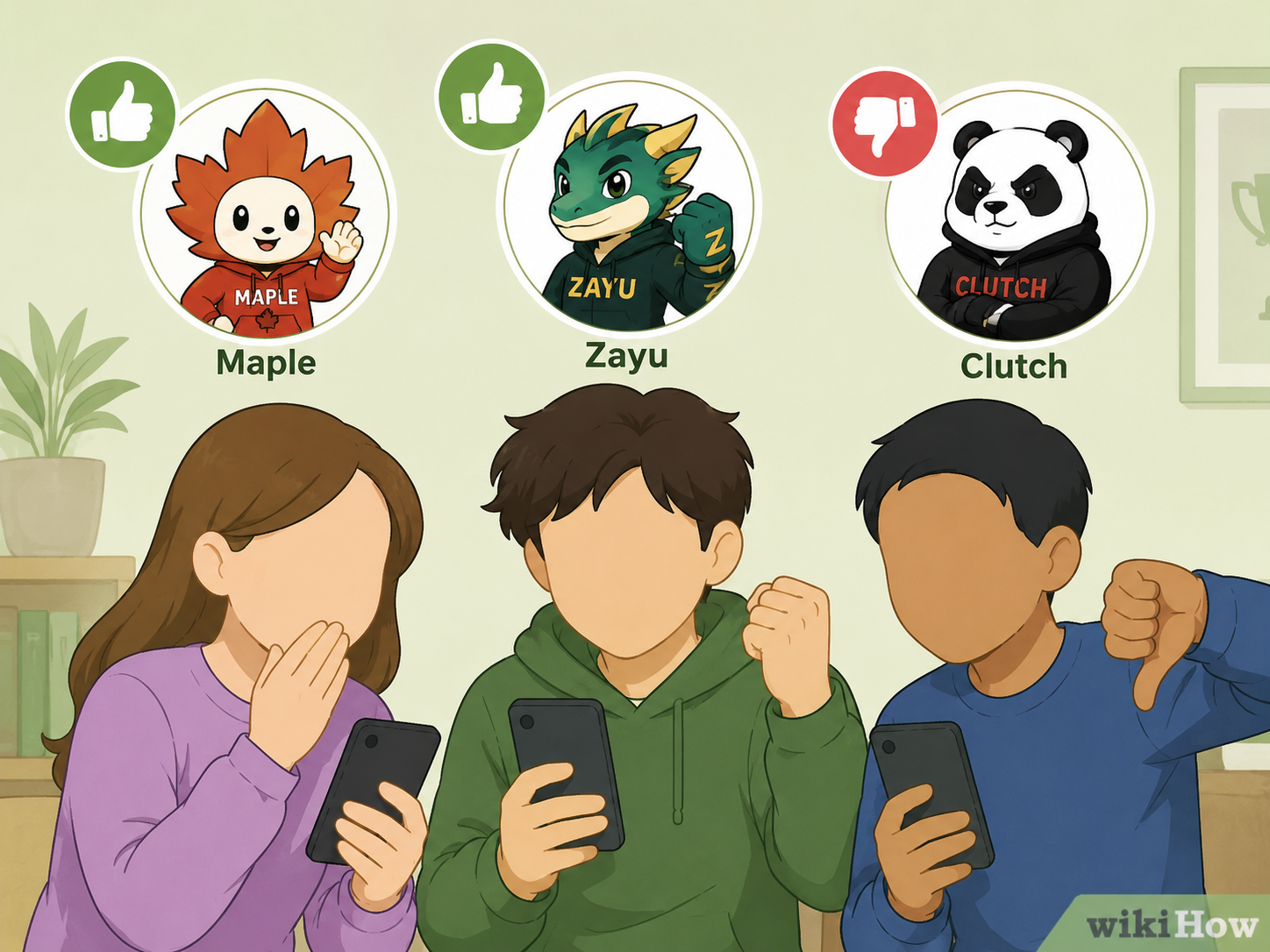
Reveals are always met with memes and hot takes. The initial wave of feedback on social media and football forums has been typically mixed. Some love the clear national representations and the move to three mascots. Others find the designs too safe, too corporate. The late unveil date also sparked chatter, some fans wondered if the designs were locked in late.
The positive reception focuses on the symbolism. Canadian fans appreciate the moose over a beaver. Mexican fans embrace the jaguar’s cultural weight. American fans get the straightforward eagle. The criticism often points to a lack of visual daring. Compared to the ethereal La’eeb or the bold Zakumi (2010), these designs are more realistic, less whimsical. That’s likely a deliberate choice for a tournament news and updates cycle that needs to feel inclusive, not alienating.
The true test will be the 2026 World Cup analysis in the lead-up. Do kids gravitate to one over the others? Does the “FIFA Heroes” game move the needle? Merchandise sales will be the ultimate metric. If Maple, Zayu, and Clutch shirts fly off shelves, the design is a success. If they gather dust, it’ll be a footnote. The historical mascot rankings often judge based on longevity and iconic status, only time will tell where this trio lands.
Frequently Asked Questions
When were the 2026 World Cup mascots announced?
FIFA officially unveiled Maple, Zayu, and Clutch on September 25, 2025. This was less than nine months before the tournament’s start on June 11, 2026.
Why are there three mascots for the 2026 World Cup?
The 2026 World Cup is the first to be co-hosted by three nations: Canada, Mexico, and the United States. Having three mascots, one for each country, ensures equal representation and celebrates the unique three-host-nation model.
What do the names Maple, Zayu, and Clutch mean?
Maple is a direct reference to the maple leaf, a symbol of Canada. Zayu’s name is inspired by concepts of unity, strength, and joy, reflecting Mexican spirit. Clutch suggests performing under pressure, fitting for a midfielder and the American competitive ethos.
Will the mascots be in a video game?
Yes. Maple, Zayu, and Clutch will be playable characters in “FIFA Heroes,” a new video game set to launch under the FIFAe umbrella before the tournament begins.
How can I buy mascot merchandise?
Official mascot merchandise, including shirts, is available on FIFAStore.com. More items will likely be released as the tournament approaches.
The Bottom Line
Maple, Zayu, and Clutch are more than just a marketing checklist. They are a direct reflection of a World Cup that is breaking the mold in almost every way, three hosts, 48 teams, 104 matches. Their designs are straightforward because their job is complex: representing three distinct national identities while promoting a single, unified event.
The late reveal tells you FIFA is running a tight, integrated campaign. The video game and merchandise plans show they are thinking beyond the stadiums. These mascots are assets. Whether they join the ranks of iconic tournament jerseys and classic football jerseys in the collective memory depends on how well they connect. The 2026 vs 2022 comparison will be stark, not just in format but in how the event’s spirit is packaged and sold. For now, they are the friendly faces of a tournament that wants to feel personal to every fan across a continent.

I come from the “soccer heart” of Germany, the Ruhrpott. I have played, trained and followed soccer all my life and am a big fan of FC Schalke 04. I also enjoy following international soccer extensively.