Watch the World Cup Opening Ceremony: Performers & Details
**
The World Cup Opening Ceremony for the 2026 tournament will be a triple event across three cities: Mexico City, Toronto, and Los Angeles. Each 45-60 minute show will feature unique performers celebrating the host nation’s culture. Access requires a ticket for that venue’s opening match on June 11 or 12, 2026.**
The World Cup 2026 opening ceremony will be a historic triple event, with three separate shows in Mexico City, Toronto, and Los Angeles on June 11 and 12, 2026. Access is included with the opening match ticket for each venue, and each 45-60 minute ceremony will feature a unique lineup of global and local music stars celebrating the culture of the host nation.
Most people think of a World Cup opening as a single, unified spectacle. They picture one stadium, one stage, one show. That mental model is wrong for 2026, and it will cost fans the full experience if they don’t adjust their plans. This isn’t just a logistical change; it’s a complete reimagining of how a global tournament begins.
This guide breaks down the unprecedented triple-header. You’ll get the exact dates, venues, and superstar performer lineups for Mexico, Canada, and the United States. We’ll cover how to get in, what time to arrive, and the cultural themes behind each show.
Key Takeaways
- The 2026 World Cup features three distinct opening ceremonies, a first in tournament history, held in Mexico City (June 11), Toronto, and Los Angeles (both June 12).
- Your match ticket is your ceremony ticket; there is no separate admission or purchase required for the pre-game shows.
- Each ceremony starts 90 minutes before kickoff and runs for 45-60 minutes, meaning you must arrive at the stadium significantly earlier than the match time.
- The creative vision, led by Italy’s Balich Wonder Studio, uses distinct cultural themes, “Papel Picado” for Mexico and “Mosaic” for Canada, to frame each nation’s celebration.
- Beyond the spectacle, the ceremonies have sparked conversation about the tournament’s political context, mirroring debates from past World Cups hosted under contentious regimes.
When and Where Are the Ceremonies?
Forget everything you know about a single kick-off event. FIFA and the 2026 local organizing committee have opted for a decentralized start, a direct reflection of the first 48-team tournament spread across 16 cities in three nations. The ceremonies are timed to lead directly into the first match for each host country.
The 2026 FIFA World Cup opening celebrations consist of three distinct ceremonies in Mexico City, Toronto, and Los Angeles. Each event begins 90 minutes before the host nation’s first match and is produced by Balich Wonder Studio with the goal of reimagining the World Cup Trophy through the cultural lens of the respective country.
The schedule is tight and crosses multiple time zones. It requires fans and broadcasters to think in three places at once.
| Host Nation | Date | Venue & City | Ceremony Start (Local) | Following Match |
|---|---|---|---|---|
| Mexico | Thursday, June 11, 2026 | Estadio Azteca, Mexico City | 11:30 AM CST | Mexico vs. South Africa |
| Canada | Friday, June 12, 2026 | BMO Field, Toronto | 1:30 PM ET | Canada vs. Bosnia and Herzegovina |
| United States | Friday, June 12, 2026 | SoFi Stadium, Los Angeles | 4:30 PM PT | USA vs. Paraguay |
TL;DR: Mark June 11 for Mexico City and June 12 for Toronto and LA. Your ceremony starts 90 minutes before the host nation’s first match at the same stadium.
The Significance of Estadio Azteca
Mexico’s ceremony carries extra historical weight. Estadio Azteca becomes the first stadium to host World Cup matches for a third time, having staged the 1970 and 1986 tournaments. The high altitude of Mexico City, over 2,200 meters above sea level, is a notorious factor for visiting teams. South Africa will feel that thin air from the first whistle after the opening show. This isn’t just a venue choice; it’s a tactical home-field advantage woven into the ceremony’s location.
Logistical Reality for Attendees
Here’s the part most generic guides gloss over: timing. The ceremony starts 90 minutes before kickoff. Stadium gates for an event this size often open 3 hours before the match. If you want to see the show, you need to be inside the bowl well before the ceremony’s listed start time.
Common mistake: Planning to arrive at the stadium 30 minutes before kickoff, you’ll miss the entire opening ceremony and likely be stuck in security lines as the show begins.
Factor in transport, security screening which may include detailed stadium security screenings, and finding your seat. For the 4:30 PM PT ceremony in LA, you should aim to be at SoFi Stadium by 2:30 PM. That’s a full afternoon commitment. The match time schedule across North American time zones makes this a marathon day for broadcast viewers, too.
Who is Performing at Each Ceremony?
The performer lists are a deliberate blend of global pop supremacy and deep-cut national pride. FIFA isn’t just booking chart-toppers; they’re curating cultural ambassadors for a television audience of billions. This is where the “shared heartbeat” concept gets a soundtrack.
I’ve seen tournaments where the music feels like an afterthought, a generic pop act slapped onto the schedule. 2026 is the opposite. Each lineup tells a story about the host’s musical identity. Let’s break down who’s playing where.
Mexico City: A Latin Powerhouse Rally
The show at Estadio Azteca is a celebration of Latin music’s vast reach, from regional Mexican to reggaeton.
* J Balvin: The Colombian reggaeton globalist.
* Maná: Mexico’s iconic rock en español legends.
* Alejandro Fernandez: The voice of Mexican ranchera.
* Belinda: Pop star bridging Mexico and Spain.
* Lila Downs: Folk icon with deep indigenous roots.
* Tyla: South African amapiano star, linking to the opponent.
* Los Angeles Azules: The enduring kings of Mexican cumbia.
This isn’t a random festival bill. It’s a statement: Mexican culture is not a monolith. It’s a layered, powerful export. The “Papel Picado” theme, referencing the intricate cut-paper banners, will likely frame these performances with vibrant, cascading visual motifs.
Toronto: Canada’s Mosaic of Sound
Canada’s ceremony at BMO Field leans into the nation’s “mosaic” ideal, showcasing a spectrum of homegrown talent that has conquered the world.
* Michael Bublé: The smooth-jazz standard-bearer.
* Alanis Morissette: The 90s alt-rock queen.
* Alessia Cara: The Gen Z pop-R&B storyteller.
* Elyanna: Rising Palestinian-Canadian star.
* Jessie Reyez: The raw, genre-defying powerhouse.
* Nora Fatehi & Sanjoy: Bollywood and electronic fusion.
Notice the range. From Bublé’s supper-club polish to Reyez’s gritty emotion, it’s a deliberate showcase of Canadian diversity. The Mosaic theme will physically manifest this, likely using the pitch or stage as a canvas that assembles into a unified picture, a direct metaphor for the country itself.
Los Angeles: Global Pop’s Grand Stage
SoFi Stadium in LA gets the primetime, West Coast slot and a lineup built for global broadcast.
* Katy Perry: Pure American pop spectacle.
* Future: Atlanta trap icon.
* Lisa (Blackpink): K-pop’s global superstar.
* Anitta: Brazilian funk and Latin pop fusion.
* Rema: Nigerian afrobeats leader.
* Tyla: Appearing again, highlighting the tournament’s connective tissue.
This is the most internationally focused bill, reflecting LA’s role as a global entertainment capital. More artists are expected to be added, likely pulling from the massive hip-hop and Latin scenes rooted in the city. The scale here will be cinematic, designed for SoFi’s colossal video board and to be seen from the last row.
TL;DR: Mexico celebrates its musical depth, Canada showcases its diversity, and LA unleashes global pop firepower. Each lineup is a strategic cultural export.
How the Ceremonies Will Work: Themes, Access & Broadcast
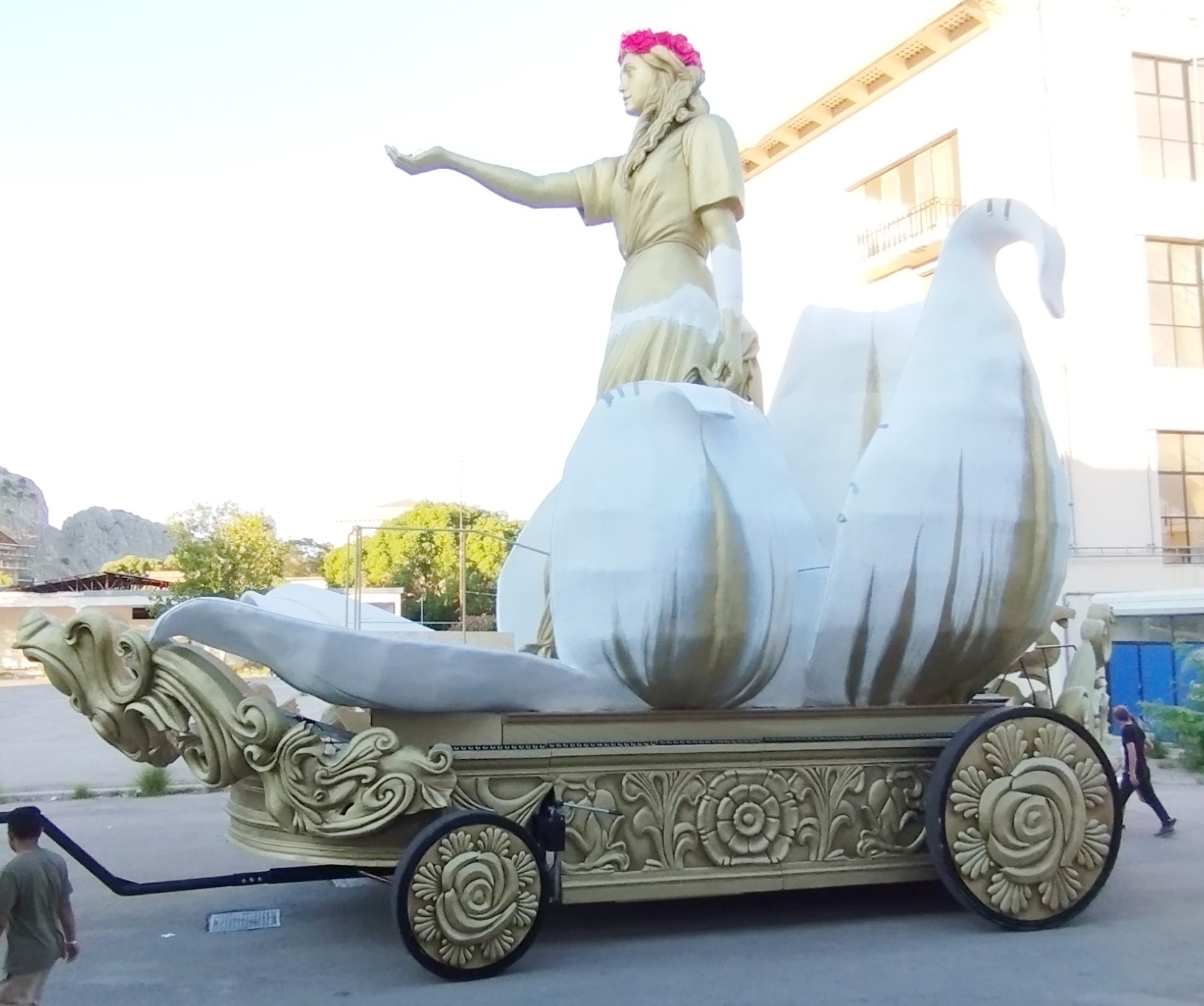
Photo: Daniele derosi / Wikimedia Commons / CC BY-SA 4.0

Understanding the “how” is more important than the “who” for actually experiencing the event. The creative engine, the ticket situation, and the watch-from-home plan are where fans get tripped up.
The Creative Vision: Balich Wonder Studio
All three shows are under the creative direction of Balich Wonder Studio, the Italian agency behind Olympic ceremonies in Sochi and Milan. Their mandate from FIFA President Gianni Infantino was to create events that “blend music, culture, and football” and reflect each nation’s individuality. Their key visual concept is reimagining the FIFA World Cup trophy, the central icon, through three distinct cultural lenses. This isn’t just stagecraft; it’s narrative design on a massive scale.
Your Ticket is Your Pass
This is non-negotiable and a frequent point of confusion.
* There are no separate tickets for the opening ceremonies.
* If you have a ticket to Mexico vs. South Africa, you are admitted to the Mexico City ceremony.
* The same applies to the Canada and USA opening match tickets.
* The ceremony is a pre-game event inside the same stadium.
The economic logic is simple: it guarantees a full stadium for the television spectacle and maximizes security and operational efficiency. For you, it means the value of that opening match ticket just increased significantly.
Broadcasting the Triple-Header
For the 99.9% of fans not in the stadiums, global broadcasters face a unique challenge. With ceremonies and matches overlapping across time zones, the coverage will likely be a fluid, multi-feed experience.
1. June 11: Focus on Mexico City. The ceremony and Mexico’s match will be the primary global feed.
2. June 12: A marathon broadcast day. Coverage will hop from Toronto’s ceremony and match to LA’s ceremony and match, requiring intricate scheduling and commentary teams in multiple locations.
Major rightsholders like the BBC, Fox, and Televisa will have their own presentation plans, but the underlying world feed will be managed by FIFA to ensure every moment is captured. Check your local broadcaster’s schedule as the date approaches; they may start coverage 2-3 hours before the first kickoff to capture all three ceremonies.
Why Three Ceremonies? The Historical & Political Context
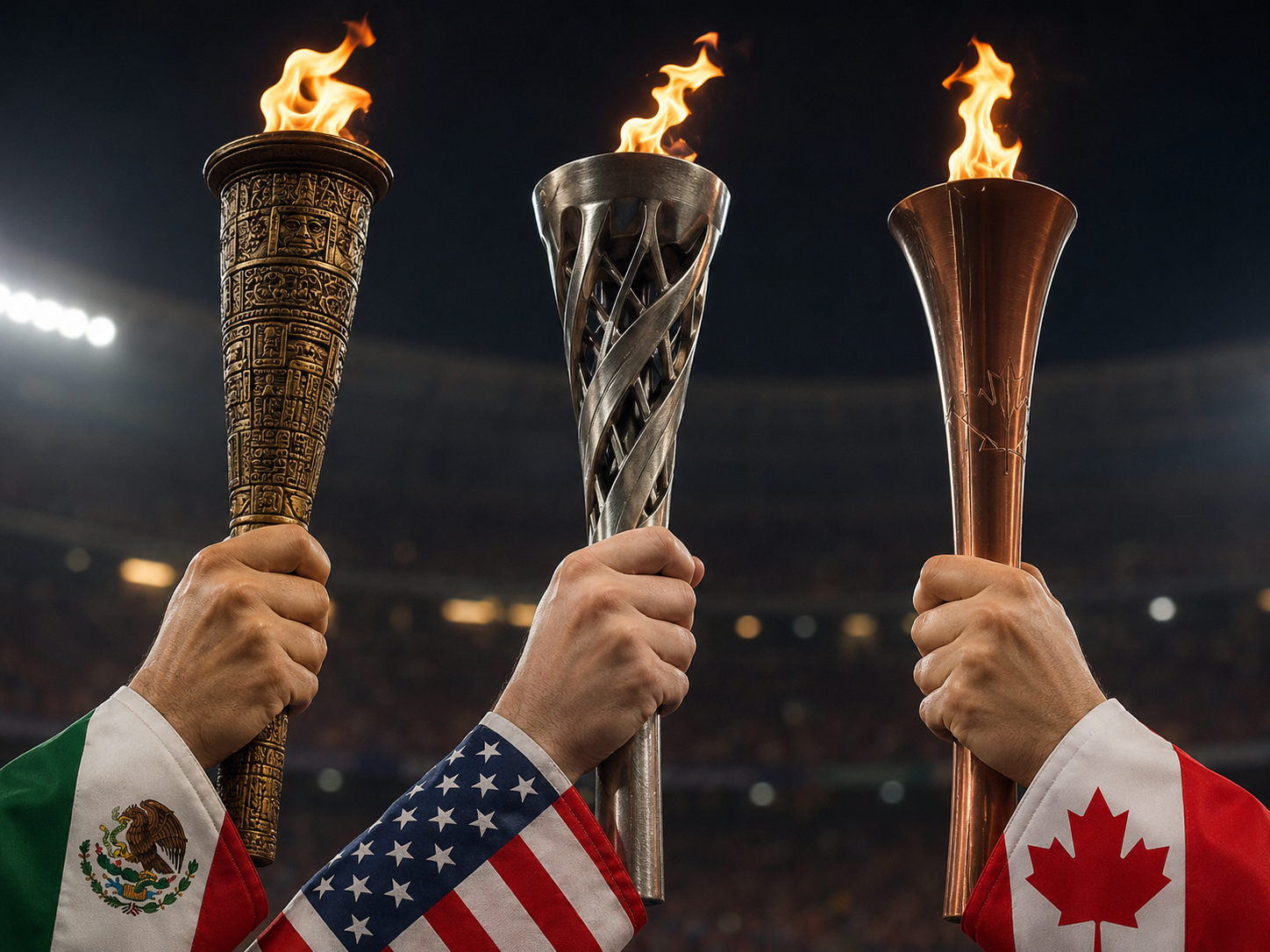
The decision to split the opening is logistical, but it resonates in a deeper historical and political context. World Cup openings have never been just about football.
This tournament’s expanded 48-team format demanded a new approach. Logistically, centering the start in one of the three host countries could be seen as playing favorites. Three ceremonies solve that diplomatically. But it also creates a symbolic equality, a shared launch.
Historically, the move is unprecedented. Even the 2002 World Cup, co-hosted by South Korea and Japan, featured a single opening ceremony in Seoul. The 2026 model acknowledges the tri-host reality in a way 2002 did not.
The political backdrop of a World Cup can overshadow the football. In 1934, Mussolini’s Italy used the tournament for fascist propaganda. In 1978, Argentina’s military junta did the same. The 2026 edition, hosted by a United States engaged in contentious foreign policy, already draws comparisons to those fraught tournaments.
Discussions on platforms like Reddit’s r/soccer highlight fan concerns about the 2026 tournament regulations and the welcoming environment, with some fearing a repeat of history where the spectacle serves a political agenda. The triple ceremony, while a celebration, unfolds within this complex global dialogue. The official 2026 branding and the cheerful 2026 World Cup mascots like Maple, Zayu, and Clutch are designed to project unity, but they operate in a polarized climate.
TL;DR: Three ceremonies are a practical solution for a three-nation host, but they also launch a tournament already under a political microscope, continuing a long tradition of the World Cup mirroring the world’s tensions.
Planning Your Experience: A Fan’s Checklist
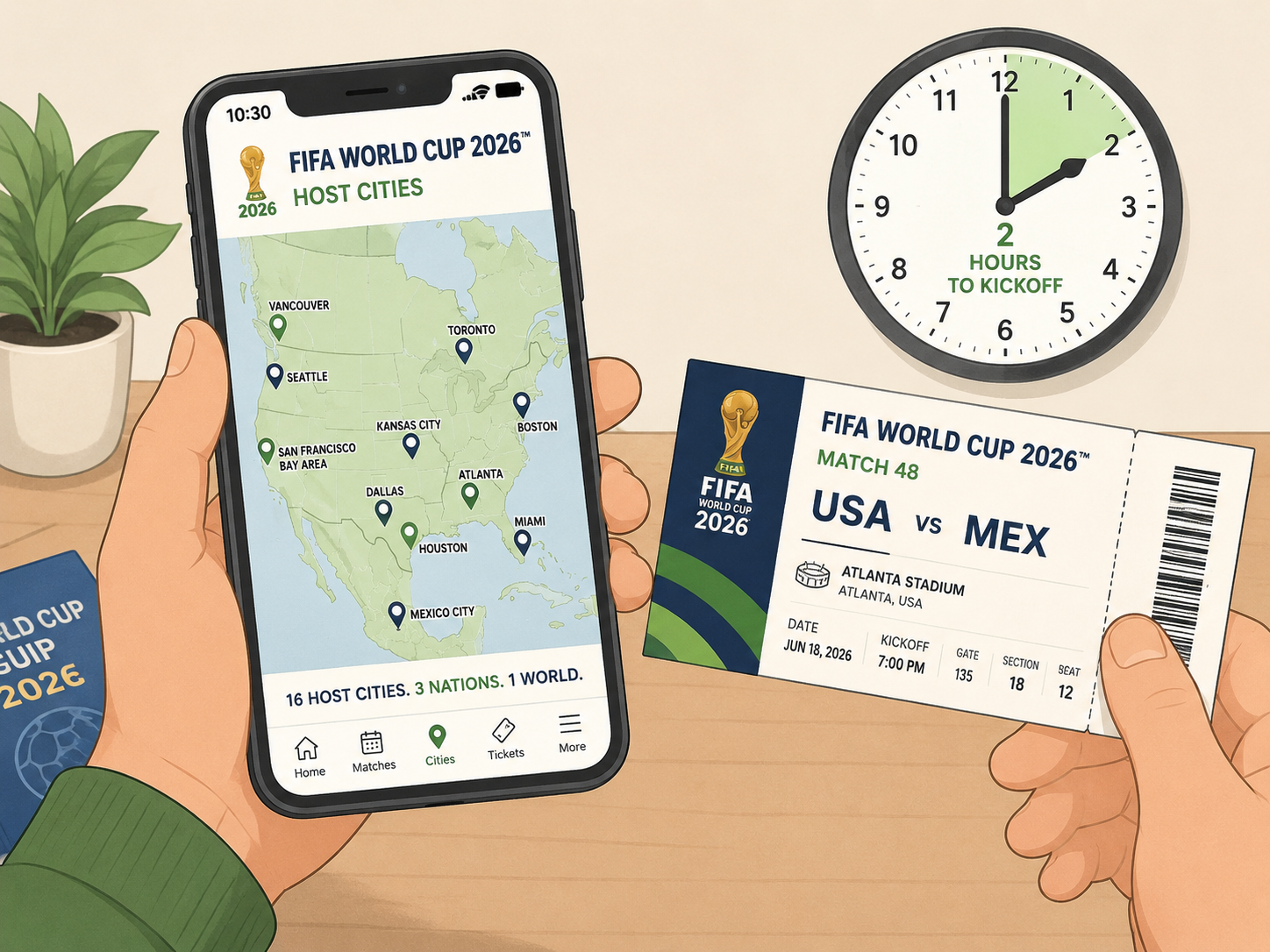
Whether you’re attending or watching from home, a little planning transforms this from a confusing overload into a historic experience. Here’s your actionable list.
- Verify Your Host City and Match Time. Confirm which 2026 host city you’re in and the local kickoff time for the opening match. The ceremony starts 90 minutes before this.
- Plan Your Stadium Arrival. Aim to be at the stadium gate at least 2 hours before kickoff. This accounts for transport, enhanced security, and finding your seat before the ceremony begins. Research the specific transit options for your venue.
- Check the Local Forecast. June weather varies wildly across the continent. Consult a host city weather guide for Mexico City’s potential afternoon rain, Toronto’s pleasant warmth, or LA’s dry heat. Dress accordingly for a long outdoor sit.
- Prepare for a Broadcast Marathon (At-Home Viewers). If watching globally, find your broadcaster’s schedule. They will likely begin coverage hours before the first match to show all three ceremonies. Set your DVR generously.
- Engage with the Themes. Look up “Papel Picado” and “Canadian cultural mosaic” before the show. Understanding the symbolism behind the visuals, like the potential representation of the tournament emblem, deepens the appreciation beyond the musical performances.
I learned this the hard way at a major tournament final. I arrived “on time” for the match, only to be stuck in a security queue as the opening anthem played inside. The roar of the crowd echoed in the concourse, and I missed a once-in-a-lifetime moment. I vowed never to cut it close again.
The energy of a pre-game ceremony is electric and unique. It’s the calm-before-the-storm buzz amplified by performance. Don’t trade that for an extra hour at the pub.
Frequently Asked Questions
Do I need a separate ticket for the World Cup 2026 opening ceremony?
No. Admission to the opening ceremony is exclusively granted to ticket holders for the corresponding opening match in that host city. Your match ticket is your entry pass for the pre-game show.
Can I watch the ceremonies on TV or streaming?
Yes. All three opening ceremonies will be broadcast live worldwide by FIFA’s official television and streaming rights holders. Major networks like Fox (USA), BBC (UK), and Televisa (Mexico) will carry the events as part of their overall tournament coverage.
Why are there three different opening ceremonies?
The 2026 World Cup is the first to be hosted by three nations (USA, Canada, Mexico). Organizers opted for three ceremonies to give each host country a dedicated, equal moment to celebrate its culture and kick off its portion of the tournament, rather than choosing a single host for a unified event.
What time should I arrive at the stadium for the ceremony?
Each ceremony begins 90 minutes before the scheduled kickoff of the match. To ensure you are through security and in your seat in time, plan to arrive at the stadium entrance at least 2 hours before the match start time.
Will the same performers appear at all three ceremonies?
No. Each ceremony has a unique lineup of performers curated to represent the musical culture of the host nation. The only exception is singer Tyla, who is currently listed to perform in both Mexico City and Los Angeles.
Where will the 2026 World Cup final be held?
The tournament will conclude at MetLife Stadium in East Rutherford, New Jersey. The 2026 final venue was selected separately from the opening ceremony locations.
The Bottom Line
The 2026 World Cup opening will be unlike any before it. Three stadiums, three anthems, three cultural statements firing in sequence across a continent. It’s a logistical marvel and a symbolic gamble, reflecting a tournament that is itself bigger and more complex than its predecessors.
For fans, the message is simple: adjust your expectations and your schedule. This isn’t a one-show start. It’s a continental kickoff. Get your timing right, understand the ticket rule, and then soak in the historic moment, whether you’re feeling the altitude in Azteca, the mosaic in Toronto, or the Hollywood glow in LA. The football will be unforgettable, but it all starts with a ceremony, times three.

I come from the “soccer heart” of Germany, the Ruhrpott. I have played, trained and followed soccer all my life and am a big fan of FC Schalke 04. I also enjoy following international soccer extensively.