World Cup Mascots: Meet Maple, Zayu & Clutch
The official 2026 World Cup mascots are Maple the Moose (Canada), Zayu the Jaguar (Mexico), and Clutch the Bald Eagle (United States). This marks the first time a FIFA World Cup has three mascots, reflecting the historic three-nation co-hosting model for the 48-team tournament running from June 11 to July 19, 2026.
Most fans expect one mascot. World Cup history from Willie the Lion in 1966 to La’eeb in 2022 trained us to look for a single character. The 2026 announcement broke that pattern completely, and the initial silhouette teaser left everyone guessing which animals would represent the three hosts.
This guide breaks down everything confirmed about Maple, Zayu, and Clutch. We’ll cover their names, the meaning behind their chosen animals, their football roles, and where you’ll see them—from host city appearances to their debut as playable video game characters.
Key Takeaways
- The 2026 World Cup features three mascots for the first time, one for each co-host nation: Canada (Maple the Moose), Mexico (Zayu the Jaguar), and the USA (Clutch the Bald Eagle).
- Each mascot has an assigned football position and jersey number: Maple is goalkeeper #1, Zayu is striker #9, and Clutch is midfielder #10.
- They are the first FIFA competition mascots slated to be playable characters in an official video game, “FIFA Heroes,” set for release in 2026.
- The mascots are designed to embody the distinct culture and spirit of their countries, moving beyond simple symbols to characters with backstories and personalities.
- Full visual designs were teased with silhouettes first; the complete reveal is expected closer to the tournament kickoff next June.
The 2026 Mascot Trio: Names, Animals & Positions
Forget everything you know about past tournament mascots. The 2026 model is a committee.
FIFA’s official release named them: Maple the Moose for Canada, Zayu the Jaguar for Mexico, and Clutch the Bald Eagle for the United States. This isn’t just a cute grouping. It’s a direct narrative response to the unprecedented three-host model for this World Cup. One mascot couldn’t shoulder that representation.
The 2026 FIFA World Cup mascots are Maple (a moose, Canada, goalkeeper, No. 1), Zayu (a jaguar, Mexico, striker, No. 9), and Clutch (a bald eagle, United States, midfielder, No. 10). They represent the first mascot set for a tournament co-hosted by three nations.
The animal choices are deeply symbolic, not random. A moose is an iconic Canadian wilderness figure. The jaguar holds profound cultural and historical significance in ancient Mesoamerican civilizations. The bald eagle is the national bird of the United States. Each selection roots the character in national identity.
They also have defined football roles. This adds a layer of engagement for fans, especially kids, who can assign themselves a favorite based on position.
| Mascot | Animal | Represents | Position | Shirt No. |
|---|---|---|---|---|
| Maple | Moose | Canada | Goalkeeper | 1 |
| Zayu | Jaguar | Mexico | Striker | 9 |
| Clutch | Bald Eagle | United States | Midfielder | 10 |
TL;DR: Maple (Canada), Zayu (Mexico), and Clutch (USA) form the first triple-mascot team, with each animal and football position chosen to reflect its nation’s identity.
Why Three Mascots? Breaking FIFA Tradition
The single-mascot tradition lasted 56 years. The shift to three is a logistical and symbolic necessity.
A solo character for a three-nation event would feel generic or unfairly favor one host. This way, each country gets a dedicated ambassador. It visually reinforces the collaborative nature of the 2026 games. You can’t think of the tournament without seeing the trio, which mirrors the joint effort across borders.
Common mistake: Assuming the mascots are just for kids’ merchandise — they are central to the tournament’s branding narrative and a key tool for explaining the unique joint hosting format to a global audience.
The expansion to 48 teams is the other big reason. A larger, more diverse tournament needs broader symbolic representation. Three mascots create more entry points for fan identification across different cultures. It’s a smart, if obvious, adaptation.
Past mascots like Zakumi (2010) or Fuleco (2014) represented one host nation’s culture. The 2026 committee had to solve for three. The answer was a team. This decision will likely influence how future multi-host events approach their own mascot designs.
Meet Maple: Canada’s Artistic Keeper

Photo: James G / Wikimedia Commons / CC BY 2.0
Maple the Moose is the Canadian entry. The name is a straightforward nod to the national symbol, but the character is more than a leaf.
.jpg)
FIFA describes Maple as a street-style-loving artist and music enthusiast. The backstory says this moose has journeyed across every Canadian province and territory. That’s a lot of ground covered. The position of goalkeeper (#1) fits a narrative of resilience and being the last line of defense—traits often associated with Canadian perseverance.
The moose is a genius choice. It’s massive, peaceful, but formidable when provoked. It represents the vast, rugged Canadian landscape. Making Maple a creative type adds a modern, urban layer to the wilderness symbol. It says Canada is both natural beauty and contemporary culture.
You’ll see this character embodying creativity and individuality in promotions. Expect Maple to be heavily featured in content coming from Canadian host cities like Toronto and Vancouver.
Meet Zayu: Mexico’s Ingenious Striker
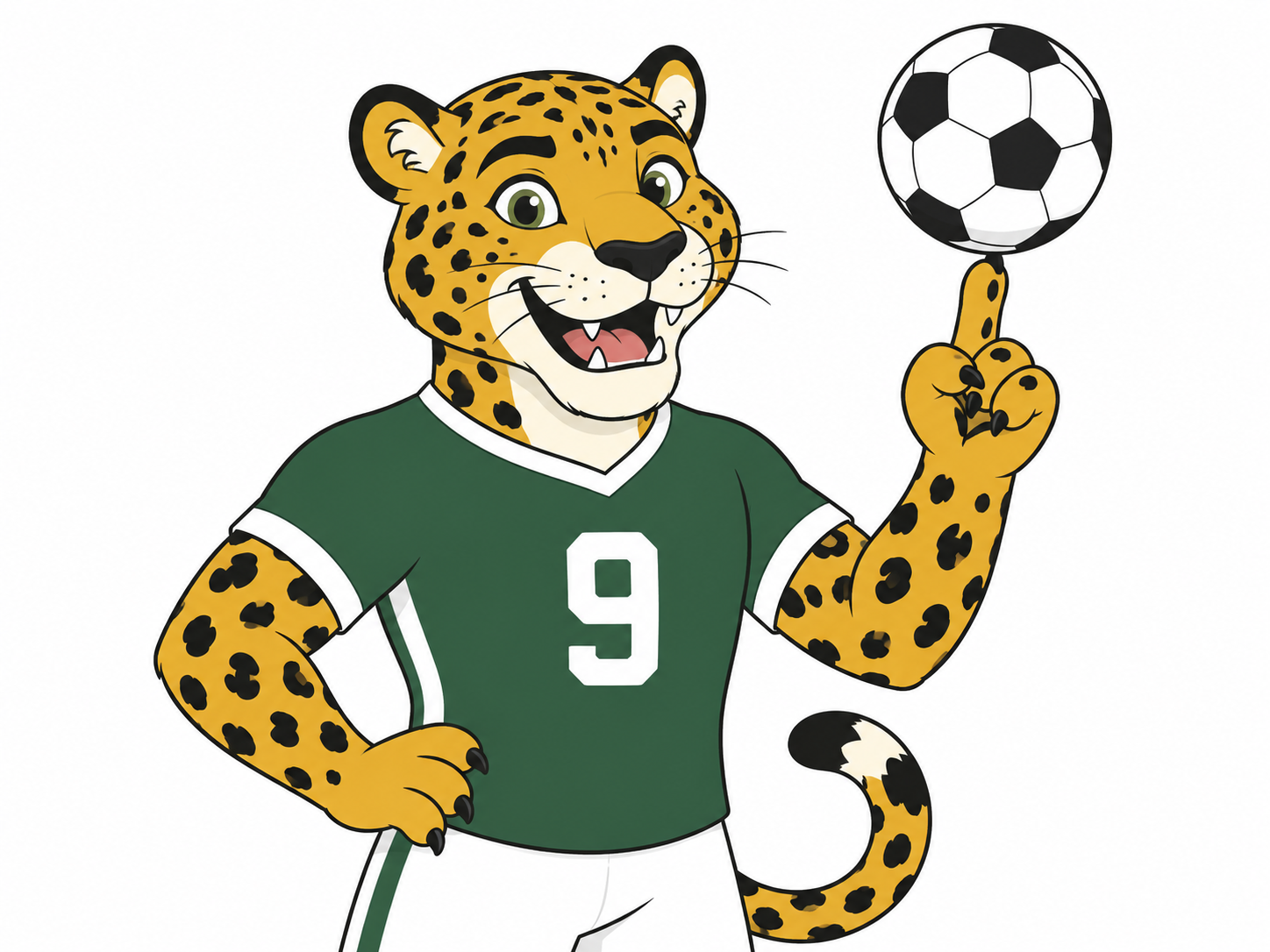
Zayu the Jaguar carries the weight of Mexican heritage. The name “Zayu” is inspired by concepts of unity, strength, and joy.
This isn’t just a big cat. The jaguar was a sacred animal in Olmec, Maya, and Aztec cultures, often associated with warriors, the night, and the underworld. Using it as a mascot taps into a deep cultural well. FIFA’s description highlights Zayu’s ingenuity and agility on the pitch, with an off-pitch life embracing Mexican dance, food, and tradition.
The striker position (#9) is perfect. It’s the glamour role, the goal-scorer, the focal point of attack. It aligns with Mexico’s vibrant, attacking football culture and the central role football plays in national life. Zayu is meant to be dynamic and charismatic.
I’ve followed mascot reveals for decades. The depth given to Zayu’s cultural connection is more pronounced than for many past mascots. It feels like a conscious effort to move beyond stereotype to specific heritage. That’s a positive step.
This character will be the heartbeat of the Mexican fan experience. Look for Zayu to feature prominently in events leading up to the tournament kickoff in Mexico City.
Meet Clutch: America’s Adventurous Midfielder
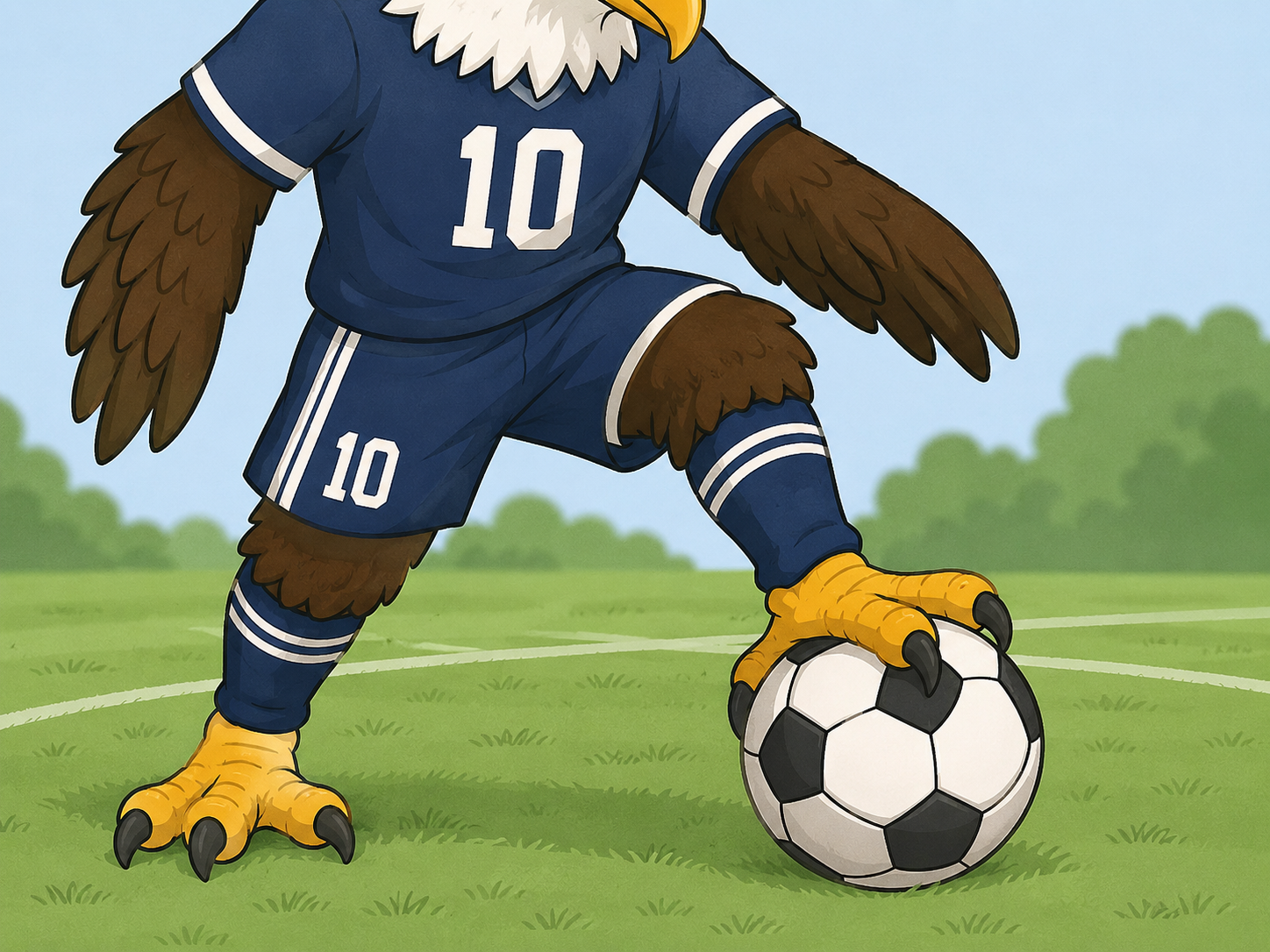
Clutch the Bald Eagle is the American representative. The name suggests performing under pressure, a classic sports trope.
FIFA pins Clutch with an “unquenchable thirst for adventure.” The description says fearless on the pitch, uplifting off it, and a social spark who unites people. The bald eagle, as a national symbol, is an expected choice. The challenge was making it feel fresh.
The midfielder role (#10) is the key. It’s the engine, the playmaker, the connector. This positions Clutch as the unifying force of the trio, linking defense and attack—a metaphor for the U.S. role in linking the North American hosts. It’s about vision and bringing people together.
Clutch’s personality seems designed for broad, family-friendly appeal. The “social spark” angle suggests this mascot will be heavily used in community events and digital campaigns across the many U.S. match locations.
From Silhouettes to Screens: The Mascot Reveal & Digital Life
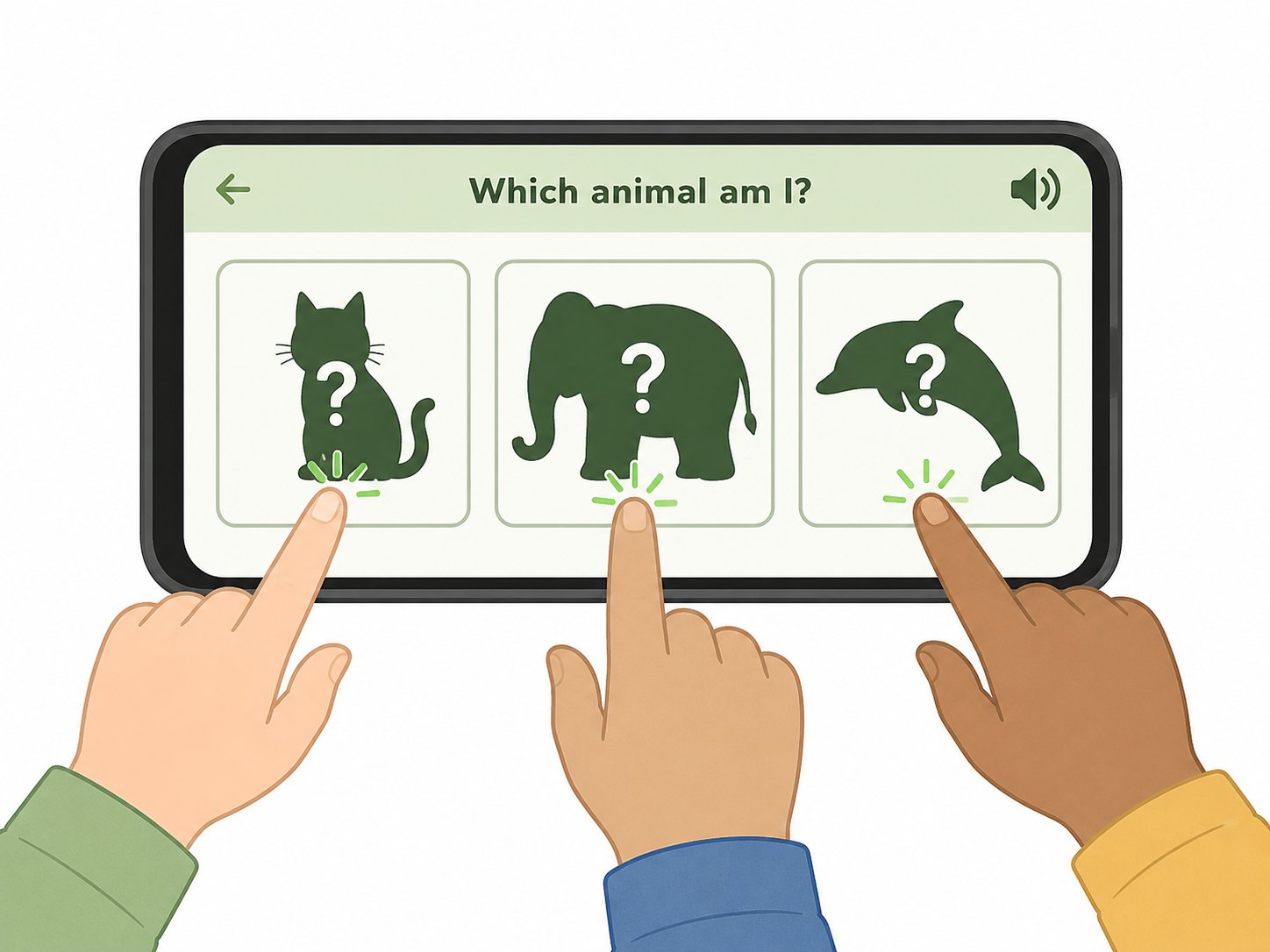
The reveal strategy was a slow burn. FIFA first released stark silhouettes of the three animals. This created a week of speculation across forums and social media. Was that a bear? A wolf? The full names and details followed in the official announcement.
This two-step process built more buzz than a single image drop would have. It got people talking and guessing, which is exactly what the 2026 World Cup news cycle needs years out from the first match.
The bigger news is their digital afterlife. Maple, Zayu, and Clutch are slated to be the first FIFA mascots to become playable characters in a video game. The title is “FIFA Heroes,” an arcade-style five-a-side game developed by ENVER and Solace for launch in 2026 on consoles and mobile.
Common mistake: Thinking mascots are only for physical merchandise — their integration into “FIFA Heroes” shows a direct strategy to engage younger, digital-native fans and extend the brand’s lifecycle beyond the tournament month.
This is a significant expansion of the mascot’s role. They’re not just parade costumes anymore. They are IP for digital entertainment. You’ll build squads with them alongside football icons. This guarantees the 2026 official mascots will have a shelf life long after the final whistle.
Mascot Merchandise & Where to Buy
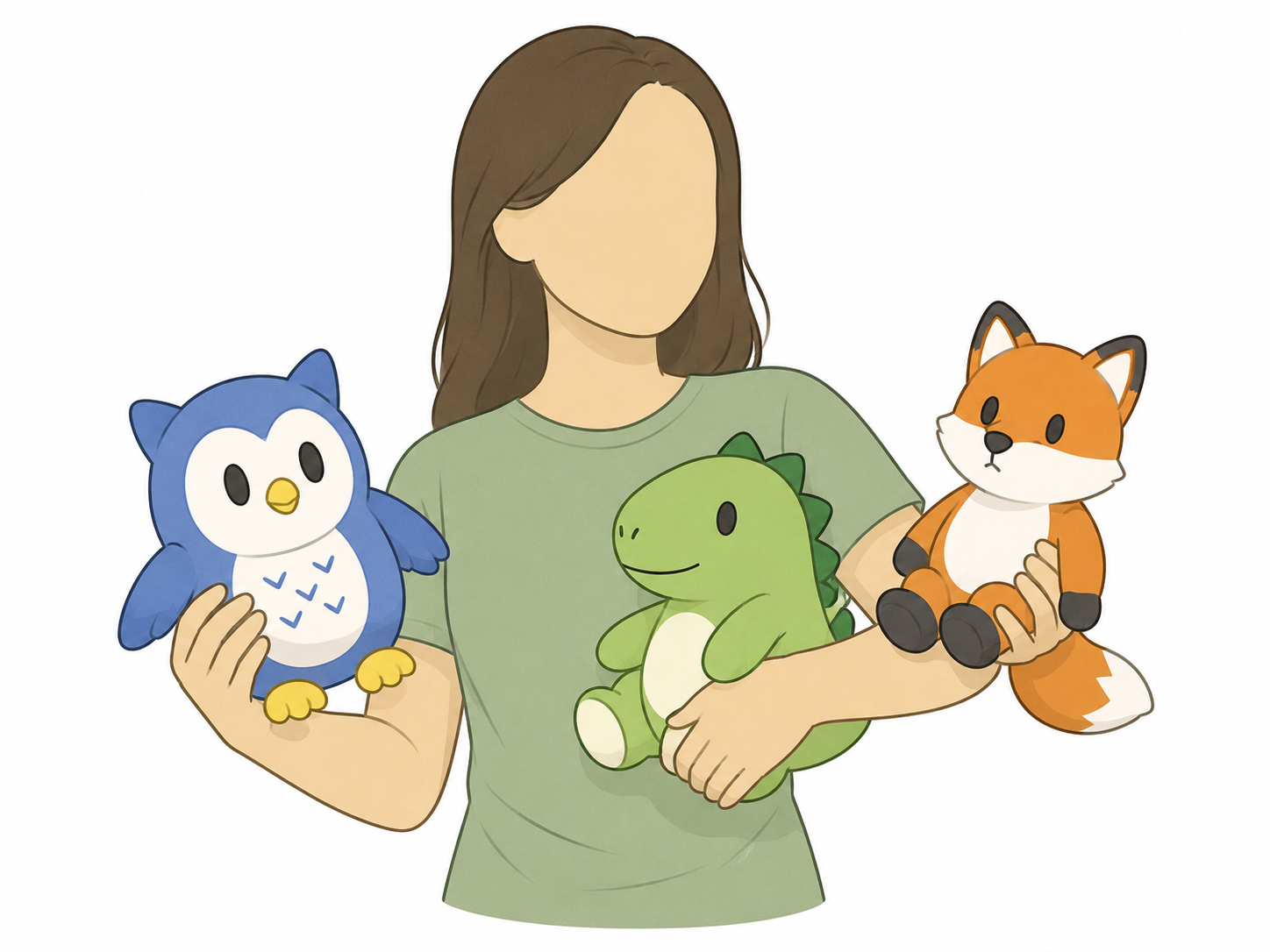
The commercial engine is already turning. Official mascot merchandise is central to tournament revenue and fan engagement.
You will find mascot-themed shirts, plush toys, pins, and more at FIFAStore.com. The triple-mascot approach triples the merchandise potential. Instead of one shirt, there can be three. Instead of one plush toy, collectors will want the whole set. It’s a merchandiser’s dream.
The mascots will also be omnipresent in the host cities. Expect photo ops, parades, and appearances at fan festivals. Their visibility is a key part of the live event experience and helps activate the local tournament identity in each location.
How Do They Stack Up? A First Look at Fan Reception
Initial reaction from online communities like r/soccer was typically mixed and immediate. Some found the names and concepts charmingly straightforward. Others engaged in the time-honored tradition of playful mockery.
That’s normal. Mascots are rarely universally adored at first glance. They grow on you through exposure during the tournament. The more important metric is how well they perform their jobs: engaging children, representing the hosts, and selling merchandise.
The clear differentiator is the trio concept. It dominates the conversation. People aren’t just judging one design; they’re comparing three and discussing how they work as a group. This already makes them more memorable than some forgettable solo historical mascots.
Their legacy will be tied to the success of the unprecedented 48-team format. If the 2026 World Cup is viewed as a sprawling, inclusive success, Maple, Zayu, and Clutch will be remembered as its perfect, plural ambassadors.
Frequently Asked Questions
What are the names of the 2026 World Cup mascots?
The mascots are Maple the Moose (Canada), Zayu the Jaguar (Mexico), and Clutch the Bald Eagle (United States).
Why are there three mascots for the 2026 World Cup?
There are three mascots because the 2026 World Cup is the first to be co-hosted by three nations (Canada, Mexico, and the USA). Each country receives its own mascot for representation.
What positions do the 2026 mascots play?
Maple is a goalkeeper (wearing #1), Zayu is a striker (#9), and Clutch is a midfielder (#10).
Will the 2026 mascots be in a video game?
Yes. Maple, Zayu, and Clutch will be playable characters in “FIFA Heroes,” a new arcade-style football game set to launch in 2026 on consoles and mobile devices.
Where can I buy official 2026 mascot merchandise?
Official merchandise featuring the mascots will be available for purchase on FIFAStore.com and at retail locations in the host cities.
When will we see the full design of the mascots?
FIFA revealed the names and silhouettes first. The full, detailed visual designs are expected to be unveiled in the lead-up to the tournament, which begins in June 2026.
The Bottom Line
Maple, Zayu, and Clutch are more than cute animals. They are a direct reflection of a World Cup that is breaking molds: three hosts, 48 teams, and now, three mascots. Their assigned positions and cultural backstories show a move toward more nuanced character building.
You’ll meet them in the stadiums, buy them as plush toys, and eventually, control them in a video game. Their success won’t be judged by a logo contest, but by how well they unite fans across three countries for a uniquely North American celebration of football. They are the friendly faces of the most ambitious tournament layout ever attempted. Now we wait to see them in full color, ready for their close-up.

I come from the “soccer heart” of Germany, the Ruhrpott. I have played, trained and followed soccer all my life and am a big fan of FC Schalke 04. I also enjoy following international soccer extensively.