How to Calculate Soccer Aggregate Scores
Your team just won their home match 2-1, but you’re already calculating what they need in the away leg to advance. Will a 1-0 loss eliminate them? Understanding how to calculate soccer aggregate scores transforms confusing knockout stages into strategic viewing experiences. This guide explains exactly how two-legged ties determine winners through simple math that changes everything about how you watch continental competitions. You’ll learn the straightforward calculation method, discover how recent rule changes affect outcomes, and gain tactical insights that make you sound like a pro commentator during crucial matches.
The Two-Legged Tie Format Explained
Soccer’s aggregate scoring system combines results from two separate matches between the same teams to determine advancement in knockout tournaments. Unlike single-elimination formats, this approach gives both teams a home advantage opportunity while creating dramatic narrative arcs across two fixtures.
Major Competitions Using Aggregate Scoring
- UEFA Champions League: Round of 16 through Semifinals
- UEFA Europa League: Knockout stages from Round of 32
- CONCACAF Champions League: All knockout matches through finals
- Copa Libertadores: Round of 16 through Semifinals
- Domestic Cup Competitions: Various league cups worldwide
Why Tournaments Use This Format
Two-legged ties reduce the impact of single-match randomness while preserving home advantage equity. The format creates compelling storylines as teams must balance offensive ambitions with defensive responsibilities across both legs. Most importantly, it ensures neither team gains an unfair venue advantage in the knockout phase.
Step-by-Step Aggregate Score Calculation
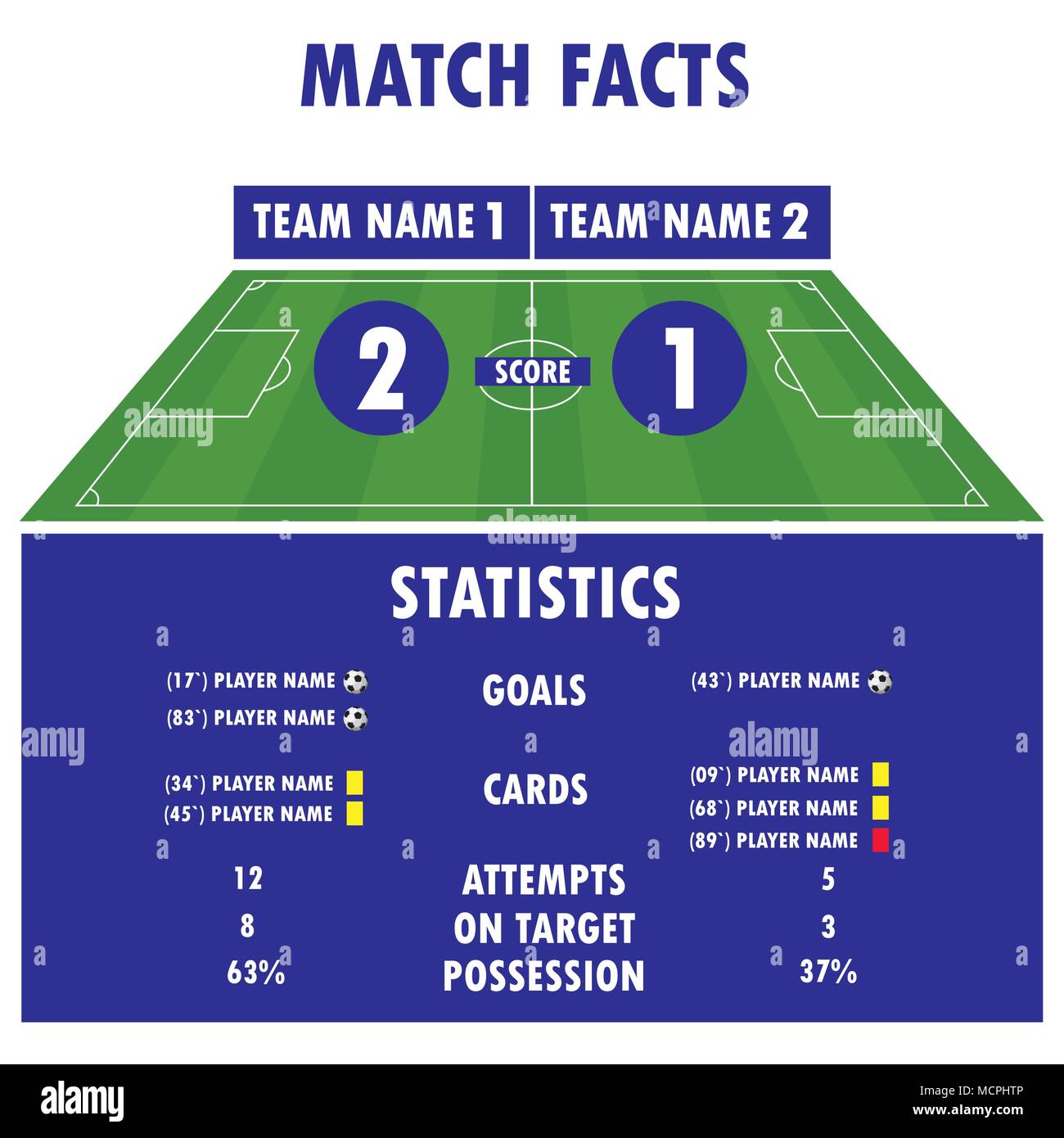
Aggregate Score = First Leg Goals + Second Leg Goals
This simple addition transforms two separate matches into one decisive contest. No complex formulas—just counting goals across 180 minutes of regulation play (plus stoppage time).
How to Calculate in 4 Simple Steps
- Record first leg results: Note both teams’ goals at initial venue
- Record second leg results: Document goals at the return fixture
- Sum each team’s total: Add goals from both matches per team
- Determine winner: Team with higher combined total advances
Real-World Calculation Example: Barcelona vs PSG (2017)
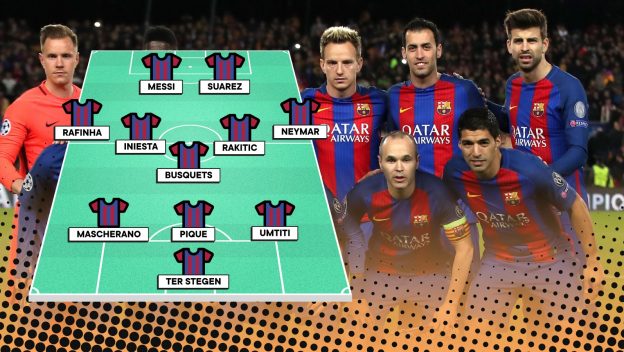
- First leg (PSG home): PSG 4-0 Barcelona
- Second leg (Barcelona home): Barcelona 6-1 PSG
- Aggregate calculation: Barcelona (0+6) = 6, PSG (4+1) = 5
- Result: Barcelona advances 6-5 on aggregate
This historic comeback demonstrates why understanding aggregate scoring matters—Barcelona needed exactly six goals at home to overcome their first-leg deficit.
Modern Tie-Breaking Rules After Away Goals Abolition
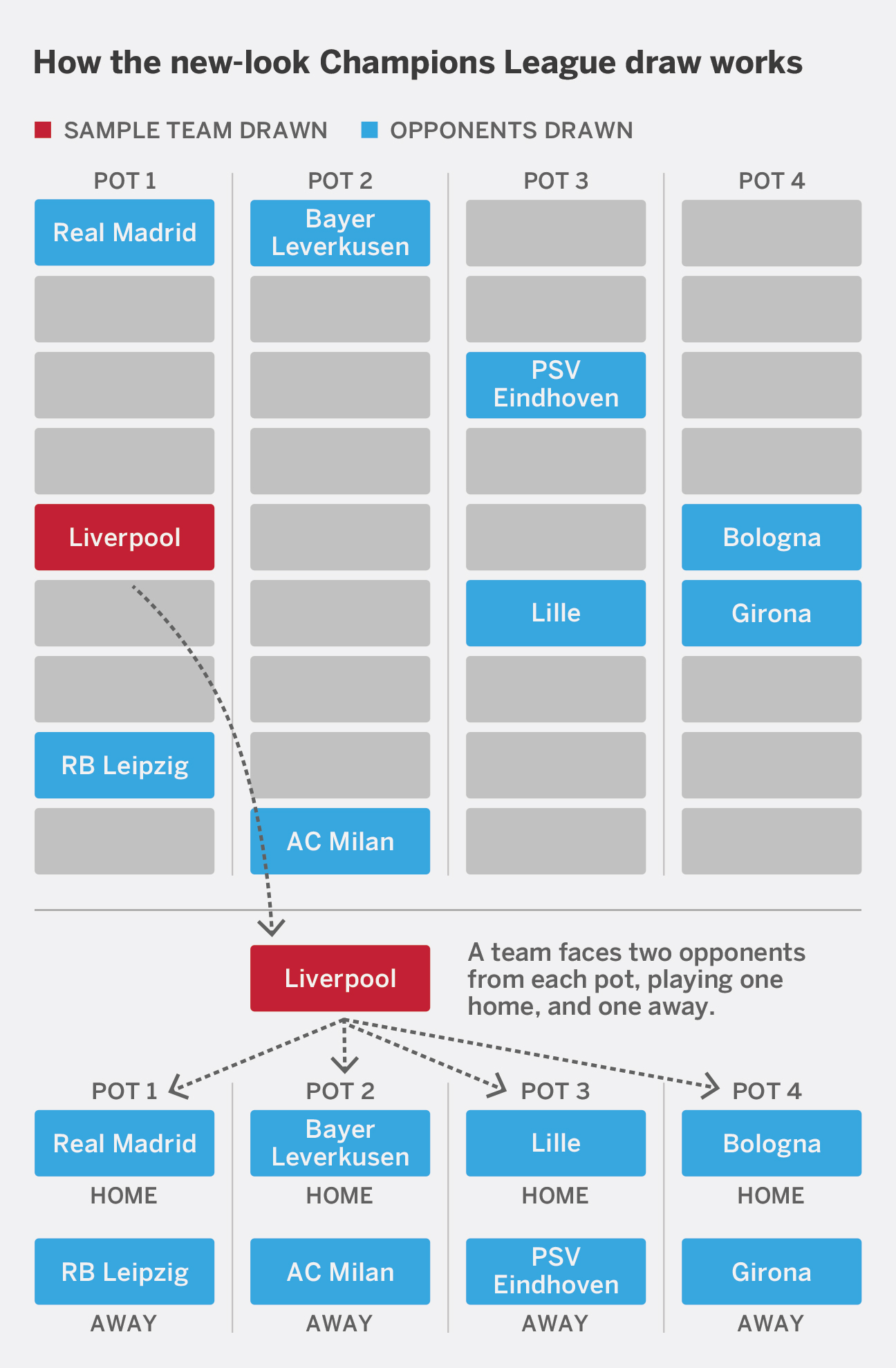
UEFA eliminated the away goals rule in 2021, fundamentally changing how tied aggregates get resolved. This critical update means many fans operating with outdated knowledge misinterpret crucial knockout scenarios.
Current UEFA Tie-Breaking Sequence
- Level aggregate after 180 minutes: Proceed directly to 30 minutes of extra time
- Still level after extra time: Advance to penalty shootout
- No away goal advantage: Extra time goals count equally regardless of venue
Regional Rule Variations You Must Know
- CONCACAF Champions League: Still uses away goals rule (as of 2024)
- Copa Libertadores: Maintains away goals as primary tie-breaker
- AFC Champions League: Abolished away goals in 2023-24 season
This regional inconsistency creates confusion during international competitions—you must know which rules apply to your specific tournament.
Tactical Implications of Aggregate Scoring
The mere existence of aggregate scoring transforms how managers approach two-legged ties. Every goal carries double significance as teams balance immediate match objectives with broader advancement possibilities.
First Leg Strategic Considerations
- Home teams: Prioritize scoring while minimizing away goals conceded
- Away teams: Value any goal scored (historically crucial under away goals rule)
- Two-goal cushion: Provides significant tactical breathing room for second leg
When Manchester City won 2-1 away at Real Madrid in the 2022 Champions League quarterfinals, they secured not just a narrow victory but a vital away goal that ultimately proved decisive in the tie.
Second Leg Mathematical Imperatives
Trailing teams face specific scoreline requirements to advance:
- Down 2-0 aggregate: Need 3-0 or better at home
- Down 3-0 aggregate: Require 4-0 or better (extremely rare)
- Down 1-0 aggregate: Must avoid conceding while scoring twice
These precise mathematical requirements transform seemingly simple matches into complex strategic puzzles where every goal changes the tactical equation.
Common Aggregate Score Misinterpretations
Even experienced fans frequently miscalculate aggregate scenarios due to outdated knowledge or simple math errors. Recognizing these common mistakes prevents premature celebration or unnecessary panic.
Three Critical Misconceptions
- First leg 2-1 win isn’t automatically advantageous: Depends entirely on venue (home vs away)
- Away goals no longer matter in UEFA competitions: Many fans still operate under old rules
- Extra time goals count toward aggregate: All goals through 120 minutes contribute
When Liverpool overturned Barcelona’s 3-0 first-leg deficit with a 4-0 win at Anfield in 2019, many casual fans initially thought a 3-0 victory would suffice, not realizing they needed an additional goal to overcome the aggregate deficit.
Real-Time Aggregate Tracking Methods
Modern broadcasts display running aggregates, but understanding the calculation lets you track progress independently—essential when following matches without sophisticated graphics.
Effective Manual Tracking Techniques
- Keep a running tally: Note goals as they happen with venue indicators
- Calculate goal differential: Track “goals needed to advance” in real-time
- Consider venue implications: Remember which team requires what scoreline
During intense second legs, top fans maintain simple calculations like “Ajax needs two more goals to advance” rather than getting lost in total numbers. This approach provides immediate clarity about tactical implications as the match unfolds.
Statistical Patterns in Two-Legged Ties
Historical data reveals predictable patterns that inform both fan expectations and managerial decisions throughout aggregate competitions.
Key Historical Probabilities
- First leg winners: Advance approximately 70% of the time
- Two-goal first leg leads: Overturned in only about 15% of ties
- Three+ goal leads: Historically result in advancement 98% of the time
These statistics explain why teams protecting multi-goal leads often adopt conservative second-leg approaches—they’re playing the high probability game rather than taking unnecessary risks.
Youth and Amateur Tournament Applications
Even local competitions sometimes implement simplified aggregate formats for finals or semifinals, making this knowledge valuable beyond professional soccer.
Modified Youth Format Considerations
- Shortened matches: 60-70 minute games affect scoring patterns
- Simplified tie-breakers: Often skip extra time for direct penalty shootouts
- Neutral venues: Eliminate home advantage considerations
Coaches using aggregate formats at youth levels should emphasize the unique tactical mentality required—teaching players to think in terms of 180-minute contests rather than isolated matches develops crucial strategic understanding.
Future of Aggregate Scoring in Soccer
While the core calculation method remains stable, ongoing discussions suggest potential modifications to the broader competition structure.
Potential Evolution Areas
- Single-match knockouts: Growing trend toward neutral venue deciders
- ABBA penalty sequences: Possible changes to shootout formats
- Technology integration: Enhanced real-time analytics for tactical decisions
Understanding current aggregate scoring principles prepares you for any future modifications while deepening your appreciation for soccer’s strategic complexity.
Quick Reference Calculation Guide
Calculate Any Tie in 30 Seconds
- Add both matches: Team A goals (Match 1) + Team A goals (Match 2)
- Compare totals: Higher aggregate advances
- Check tie-breakers: Extra time → penalties (varies by competition)
Memory Aids for Fans
- “Goals travel”: Every goal counts equally regardless of venue
- “180-minute game”: View both matches as one extended contest
- “No lead safe”: Even three-goal advantages can be overturned
Mastering aggregate score calculation transforms how you experience continental soccer competitions. Instead of reacting emotionally to individual match results, you’ll immediately understand the precise requirements for advancement. This knowledge adds strategic depth to your viewing experience, making two-legged ties among soccer’s most intellectually rewarding formats. Whether you’re tracking your favorite team’s Champions League run or analyzing tactical decisions during Copa Libertadores, understanding aggregate scoring puts you ahead of 90% of casual fans.

I come from the “soccer heart” of Germany, the Ruhrpott. I have played, trained and followed soccer all my life and am a big fan of FC Schalke 04. I also enjoy following international soccer extensively.