The Key Difference: Possession Based vs Direct Soccer Tactics
Possession-based soccer prioritizes control and patience, building attacks through short passes and positional dominance. Direct soccer prioritizes speed and verticality, launching attacks immediately after gaining possession to exploit space behind defenses.
Most coaches and fans get this wrong. They think possession is about beauty and direct play is about brute force. The real difference is a trade-off between control and opportunity. Possession gives you time to pick the perfect pass. Direct play gives you the chance to catch a defender out of position before he can think.
This guide explains the mechanics, the formations that enable each style, and the cold numbers from World Cup finals that show which approach actually scores more goals.
Key Takeaways
- Direct play significantly increases goal-scoring likelihood, according to a 2023 NIH analysis of World Cup data.
- Possession-based systems require specific player profiles: a regista or deep-lying playmaker, technical wingers, and a single pivot midfield structure.
- Direct play thrives with a double pivot, physical forwards, and aggressive pressing tactics to force turnovers.
- Modern analytics use models like xT (Expected Threat) and VAEP (Valuing Actions by Estimating Probabilities) to quantify the value of each tactical choice.
- Your formation dictates your default style: a 4-3-3 formation leans toward possession, while a 4-2-3-1 formation is built for direct transitions.
How Possession-Based Soccer Actually Works
Possession football is not just keeping the ball. It’s a system of controlled pressure. The goal is to dominate territory, fatigue the opponent through constant movement, and create scoring chances through overloads and positional rotations. It looks pretty, but it’s a grind.
A possession-based system requires a midfield controller who dictates tempo. The regista role, exemplified by Andrea Pirlo, is the archetype: a deep-lying playmaker who receives the ball from defenders, faces the opponent’s midfield, and picks the pass that breaks the first line of pressure.
Teams like Pep Guardiola’s Manchester City or Barcelona operate this way. They use a 4-3-3 formation with a lone defensive midfielder (the single pivot) flanked by two more advanced “8s”. This creates a triangle in midfield that can outnumber the opposition and circulate the ball. The wide forwards stay high to stretch the play, but the real work happens in the middle.
The weakness is predictability. A well-organized low defensive block can sit deep, deny space between the lines, and wait for a mistake. When that mistake happens – a misplaced pass in midfield – the possession team is suddenly exposed. Their players are spaced for control, not for recovery.
Common mistake: Using possession tactics without a true midfield orchestrator – the attack becomes slow horizontal passes that don’t progress the ball, and the opponent’s press easily cuts off the options.
TL;DR: Possession soccer needs a regista, a single-pivot midfield, and wide players who understand positional play. Without that, it’s just passing with no threat.
The Engine of Direct Play: Transitions and Space
Direct play bypasses the midfield battle. The objective is to move the ball from defense to attack in three passes or fewer. It relies on vertical runs, long passes into channels, and physical strikers who can hold up the ball and bring others into play.
It’s not just “kick and rush”. Modern direct play is a calculated risk. You cede possession, but you trade it for a higher probability of a dangerous situation. A 2023 NIH study on direct attacks in soccer found that teams adopting a more direct approach in the 2018 and 2022 Men’s World Cup significantly increased their likelihood of scoring. The data is clear: fewer passes often mean more goals.
Before you start: Direct play demands extreme defensive discipline. If your quick attack fails, you’ve just given the ball away in an advanced position. Your defenders must be ready to absorb immediate pressure, and your midfield must be structured to recover.
The ideal formation for this is a 4-2-3-1 formation. The double pivot – two central midfielders sitting deep – provides a stable base. One can drop to receive from defenders while the other is already looking forward to launch the pass. The attacking midfielder and wingers are positioned to run at space immediately.
This style pairs perfectly with gegenpressing. When you lose the ball, you press instantly to win it back and launch another direct attack before the opponent organizes. It’s a cycle of chaos that favors athletic, aggressive teams.
| Direct Play Trigger | Player Action Required | Risk If Missed |
|---|---|---|
| Opponent’s high defensive line | Striker checks run, winger stays wide | Pass goes to keeper; turnover in your final third |
| Turnover in midfield | Double pivot player steps forward to intercept | Opponent counter-attacks through your now-empty midfield |
| Goalkeeper distribution | Fullback already sprinting into channel | Ball lost; opponent attacks your exposed flank |
TL;DR: Direct soccer uses a double-pivot formation, targets space behind high defensive lines, and pairs with gegenpressing to create continuous transition opportunities.
Which Style Wins More Matches? The Stats Say Direct
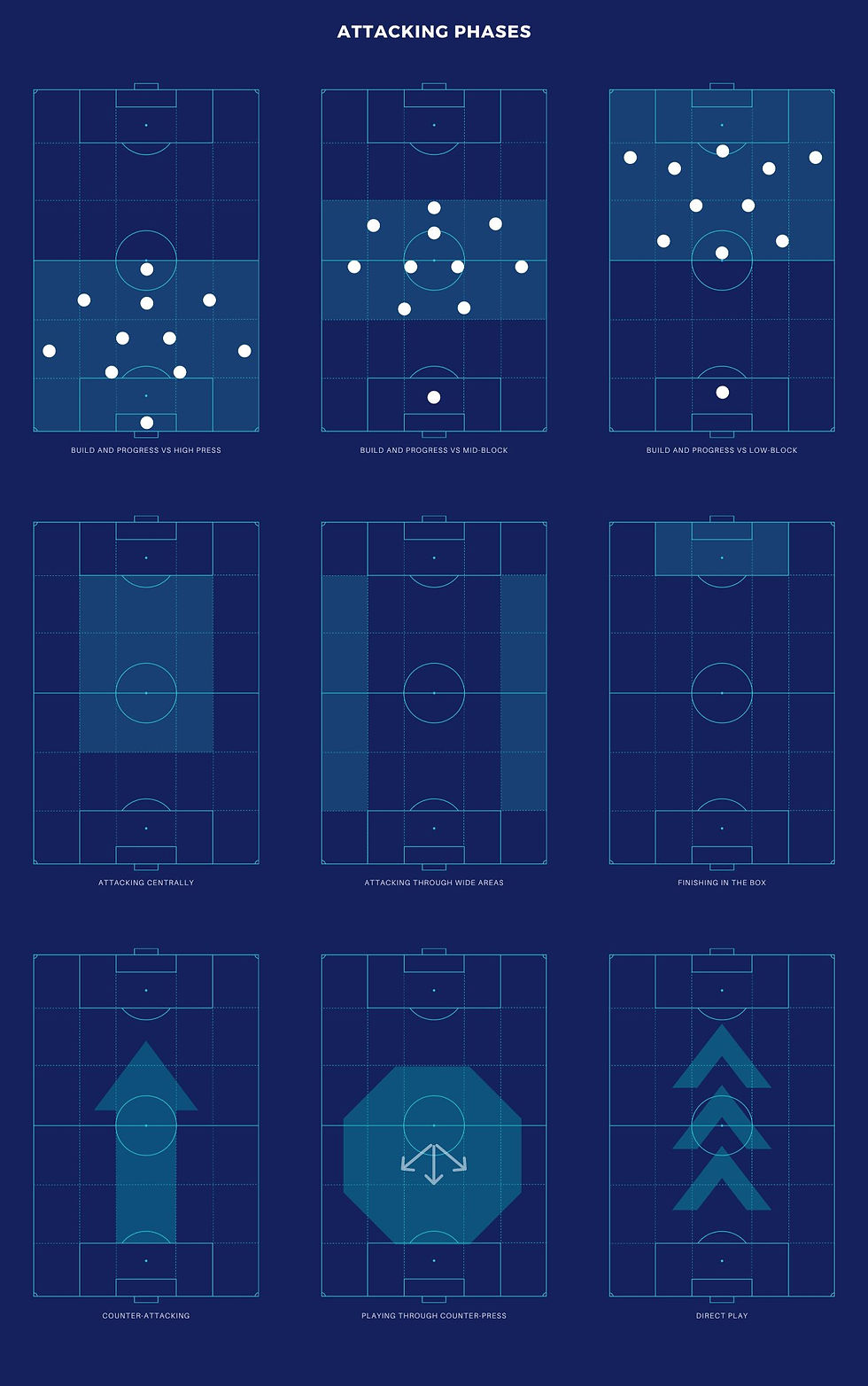
The romantic ideal is possession. The winning reality, lately, leans direct. Look at the teams that have dominated international finals over the last decade. They often play a hybrid, but the direct element is undeniable.
The PMC article on soccer goal likelihood analyzed every match from the 2018 and 2022 World Cups. It found a statistically significant correlation between direct attacking sequences and goal conversion. Teams that progressed the ball vertically with fewer passes scored more often. Possession-heavy teams, while controlling the game, often struggled to translate that control into clear chances against packed defenses.
This isn’t about aesthetics. It’s about efficiency. A direct attack might only work one in five times. But that one time results in a clear shot from a dangerous position. A possession attack might work four times out of five, but those four chances are from outside the box, with defenders already recovered.
I watched Germany’s 2014 World Cup win. The narrative was about control and technique. The reality on the pitch was different. Löw’s team would often absorb pressure, win the ball in midfield, and immediately release Thomas Müller or Miroslav Klose into space with one or two passes. That direct transition, not 70% possession, broke teams like Brazil and France.
Your choice depends on your players. A squad full of technical midfielders like Thiago Alcantara or Martin Ødegaard demands a possession system. A squad with a physical target man like Erling Haaland and quick wingers like Mohamed Salah is built for direct play.
Measuring the Impact: xT, VAEP, and Modern Analytics
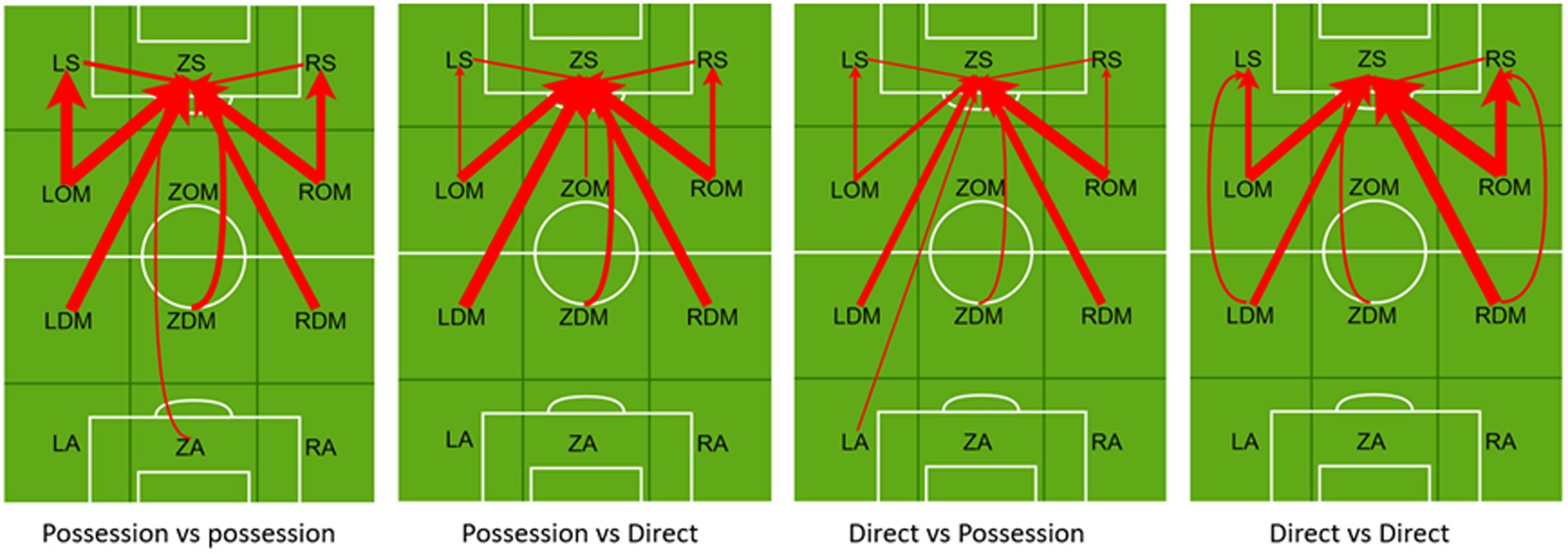
We now have tools to quantify what “possession value” and “direct threat” actually mean. These are not just philosophies – they are measurable models.
xT (Expected Threat) is a possession-focused metric. It divides the pitch into zones and assigns each zone a probability of scoring from that location. An action that moves the ball from a low-xT zone (your own half) to a high-xT zone (the opponent’s penalty area) is credited with that increase in probability. It measures ball progression, which is the core of possession play.
VAEP (Valuing Actions by Estimating Probabilities) is more holistic. It evaluates every on-ball action – a pass, a dribble, a shot – and estimates its effect on the team’s probability of scoring or conceding over the next ten actions. This model credits a risky but successful dribble that beats a defender (a direct play action) and penalizes a dangerous turnover in midfield (a possession system failure).
| Analytics Model | Best For Measuring | Limitation |
|---|---|---|
| xT (Expected Threat) | Possession team’s ball progression efficiency | Ignores defensive value; doesn’t credit defensive actions |
| VAEP (Valuing Actions by Estimating Probabilities) | Direct play’s risky, high-reward actions | Complex; requires tracking every on-ball event |
| Stats Perform PV | Real-time analysis during a live match | Fixed 10-second window; may miss longer build-up |
These models show why a player like Kevin De Bruyne is so valuable in any system. His passes, whether in a possession build-up or a direct transition, consistently move the ball into higher-value zones. His 2022-23 season saw passes that increased Manchester City’s scoring probability by over 30% according to VAEP – a number that dwarfs most midfielders.
TL;DR: xT measures possession effectiveness. VAEP measures the value of direct, risky actions. Use both to see what your team is actually doing.
Choosing Your Formation: 4-3-3 for Possession, 4-2-3-1 for Direct
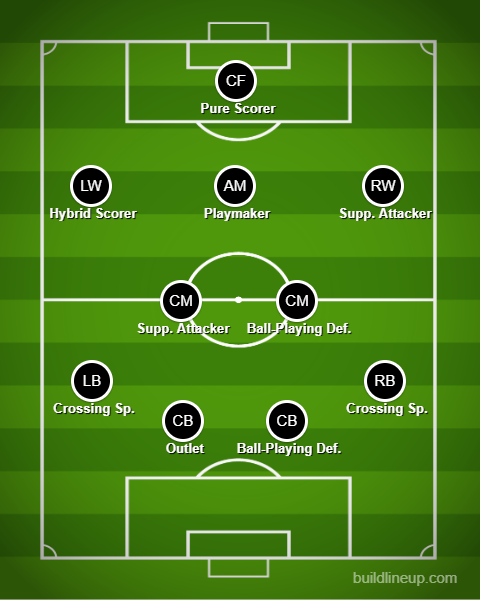
The formation locks you into a default style. You can tweak it, but the skeleton decides the gameplay.
A 4-3-3 formation with a single pivot is the possession blueprint. The lone “6” sits deep, connects defense to attack, and controls the game’s tempo. The two “8s” ahead of him provide passing triangles and vertical support. The wingers stay wide to create space, but their main job is to receive the ball in advanced positions after a long build-up. This formation demands high technical skill from every midfielder.
A 4-2-3-1 formation is the direct play engine. The double pivot gives you two deep midfielders. One can drop to receive the ball while the other immediately looks for the forward pass. The attacking midfielder (“10”) and the wingers are positioned to run at the defense as soon as possession is won. This structure is less about control and more about rapid distribution.
Common mistake: Playing a 4-3-3 with a double pivot – you clog the midfield with two deep players, lose the single controller, and end up with neither possession dominance nor quick transitions.
Here’s the hard choice: your personnel decides your formation, not your philosophy. If you have two physical, defensively-minded central midfielders, you must use a double pivot and accept a more direct style. If you have one brilliant distributor and two creative “8s”, you must use a single pivot and build a possession system. Trying to force a philosophy onto mismatched players fails within three matches.
The Pressing Link: How Defense Fuels Your Attack Style
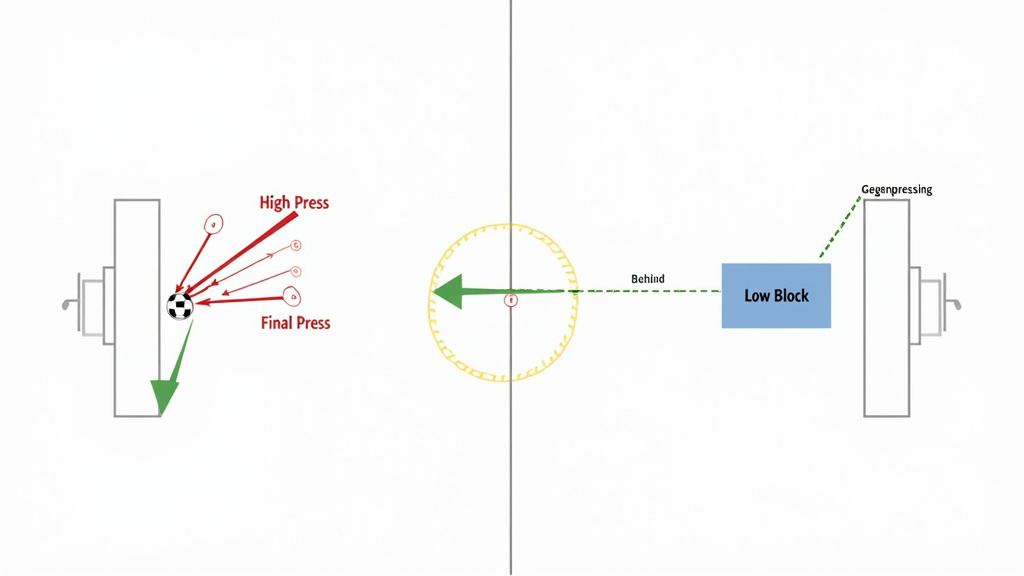
Your defensive approach dictates your attacking possibilities. Pressing tactics are not just about defending; they’re about how you want to attack.
High press systems, like those used by Liverpool under Jürgen Klopp, aim to win the ball high up the pitch. The moment you regain possession, the opponent’s defense is disorganized and space is available. This is a perfect trigger for direct play. You win the ball, you look up, you play forward immediately.
Low defensive block tactics, like those used by Atlético Madrid under Diego Simeone, aim to win the ball deep, absorb pressure, and then launch a counter-attack. This also favors direct play, but from a deeper starting position. The transition is longer, but the space behind the opponent’s advanced midfielders is often huge.
Gegenpressing – immediate pressing after losing the ball – is the hybrid. It doesn’t commit to a high or low block. It just wants the ball back as fast as possible, anywhere on the pitch, to restart your attack. This style can support both possession and direct play, depending on where the ball is recovered.
Common mistake: Implementing a high press without the athleticism to sustain it – your players tire after 60 minutes, the press collapses, and you’re exposed to direct attacks against your now-static defense.
Your defensive organization must match your attacking intent. A possession team that presses high needs incredible stamina and coordination. A direct team that sits in a low block needs absolute discipline and patience. Mixing them wrong – pressing high but trying to build possession slowly – leaves you exhausted and ineffective.
Frequently Asked Questions
What is the main difference between possession and direct soccer?
Possession soccer focuses on controlling the ball and the game’s tempo through short passes and positional play, aiming to create chances through sustained pressure. Direct soccer focuses on speed, launching attacks immediately after gaining possession to exploit space behind the defense before it organizes.
Can a team use both styles?
Yes, and most top teams do. They might build possession against a deep defensive block to probe for weaknesses, then switch to direct transitions when they win the ball high up the pitch or when the opponent tires. The hybrid approach is common in modern football.
Which style is better for a weaker team?
Direct play. It reduces the time you spend in possession in dangerous areas, minimizes the technical skill required in midfield, and relies on athleticism and quick decision-making. It gives underdogs a higher chance of scoring from limited opportunities.
How do formations like 4-3-3 and 4-2-3-1 affect the style?
4-3-3 with a single pivot naturally supports possession by creating a controlling midfield triangle. A 4-2-3-1 with a double pivot naturally supports direct play by providing a stable base for quick vertical distribution to the attacking trio.
What analytics measure these styles?
xT (Expected Threat) measures ball progression and possession value. VAEP (Valuing Actions by Estimating Probabilities) measures the impact of individual actions – including risky dribbles and passes – on scoring probability, capturing the value of direct play.
Before You Go
Pick your style based on your players, not your dream. A technical midfield demands possession. A physical, fast frontline demands direct play. The stats from the last two World Cups show direct attacks score more goals, but that doesn’t make possession obsolete – it makes it a tool for specific situations.
Use a 4-3-3 if you have a regista. Use a 4-2-3-1 if you have a double pivot. Press high if you want direct transitions. Sit deep if you want to counter. And measure everything with xT and VAEP to see what’s actually working on the pitch, not what looks good in the highlights.
I come from the “soccer heart” of Germany, the Ruhrpott. I have played, trained and followed soccer all my life and am a big fan of FC Schalke 04. I also enjoy following international soccer extensively.