Soccer Penalty Area vs Goal Area: Key Distinctions & Rules
The penalty area is the large 18-yard box where a defender’s foul can give away a penalty kick. The goal area is the smaller 6-yard box inside it, used for goal kicks and for moving indirect free kicks back. Their dimensions are fixed: 18 yards out from the goal line for the penalty area, 6 yards out for the goal area.
Most people think the 6-yard box is a goalkeeper’s safe zone where they can’t be fouled. That’s wrong. The myth persists in Sunday league chatter and even some amateur broadcasts. It leads to defenders backing off and attackers hesitating when they shouldn’t.
This guide breaks down the exact lines, the real rules, and what each area means for players, referees, and fans. You’ll learn where a penalty comes from, where a goal kick starts, and why that small rectangle is the most misunderstood patch of grass on the pitch.
Key Takeaways
- The penalty area is 18 yards deep and 44 yards wide; a defender’s foul here gives a penalty from the 12-yard spot.
- The goal area is the 6-yard box inside the penalty area; goal kicks start here and attacking indirect free kicks get moved back to its line.
- The goalkeeper gets no special protection from fouls inside the 6-yard box, standard foul rules apply everywhere.
- The penalty arc is a 10-yard radius from the penalty spot outside the box; players must stay behind it during a penalty kick.
- Over 87% of goals in top leagues come from inside the penalty area, making it the critical scoring zone.
The Penalty Area: More Than Just a Penalty Spot
Look at the business end of the pitch. The large rectangle is the penalty area, officially 18 yards from the goal line. It runs 18 yards out from each post along the line, then connects with a line parallel to the goal. That gives it a total width of 44 yards. Every line marking it is part of the area itself.
The penalty area is defined by lines extending 16.5m (18 yds) from each goalpost along the goal line and 16.5m (18 yds) into the field of play. A penalty mark is placed 11m (12 yds) from the midpoint between the goalposts. An arc of a circle with a radius of 9.15m (10 yds) is drawn outside the penalty area from the penalty mark.
This is where games turn. A direct free kick offense by a defender inside these lines, a trip, a push, a handball, results in a penalty kick. The ball goes on the spot 12 yards out, with only the keeper to beat. In European leagues, the conversion rate sits between 76.5% and 79.8%. That’s a huge statistical advantage. The arc outside the box, that curved line you see, isn’t for show. During a penalty, every player except the kicker and goalkeeper must stay outside the area and behind that 10-yard arc. Encroachment changes everything.
TL;DR: The 18-yard box is where defender fouls become penalties from the 12-yard spot, and everyone but the kicker and keeper must stay 10 yards back.
The 6-Yard Box: It’s Not a Goalkeeper Safe Zone
Inside the penalty area sits a smaller rectangle. This is the goal area, the 6-yard box. It measures 6 yards out from the goal line and 6 yards from each post, making it 20 yards wide. Its primary jobs are administrative, not protective.
First, it defines where a goal kick is taken. The ball can be placed anywhere within this box. Second, and this trips up newer referees, it moves attacking indirect free kicks. If the attacking team gets an indirect free kick inside the opponent’s 6-yard box, the kick is taken from the nearest point on the 6-yard line. This prevents a cheeky tap-in from two yards out. The rule exists for fairness, not for keeper safety.
The biggest myth in amateur soccer is that the goalkeeper cannot be challenged inside the 6-yard box. Wrong. The standard Laws of the Game for fouls and misconduct apply identically here. A keeper can be fouled. A keeper can commit a foul. The box offers no magical shield. I’ve seen defenders freeze, thinking they can’t touch the keeper, and watched a simple cross turn into a goal because of that hesitation. Don’t fall for it.
Common mistake: Assuming the 6-yard box is a “no-fly zone” for challenging the goalkeeper, it grants no extra protection, and hesitating there costs goals.
Penalty Area vs Goal Area: The Rulebook Breakdown
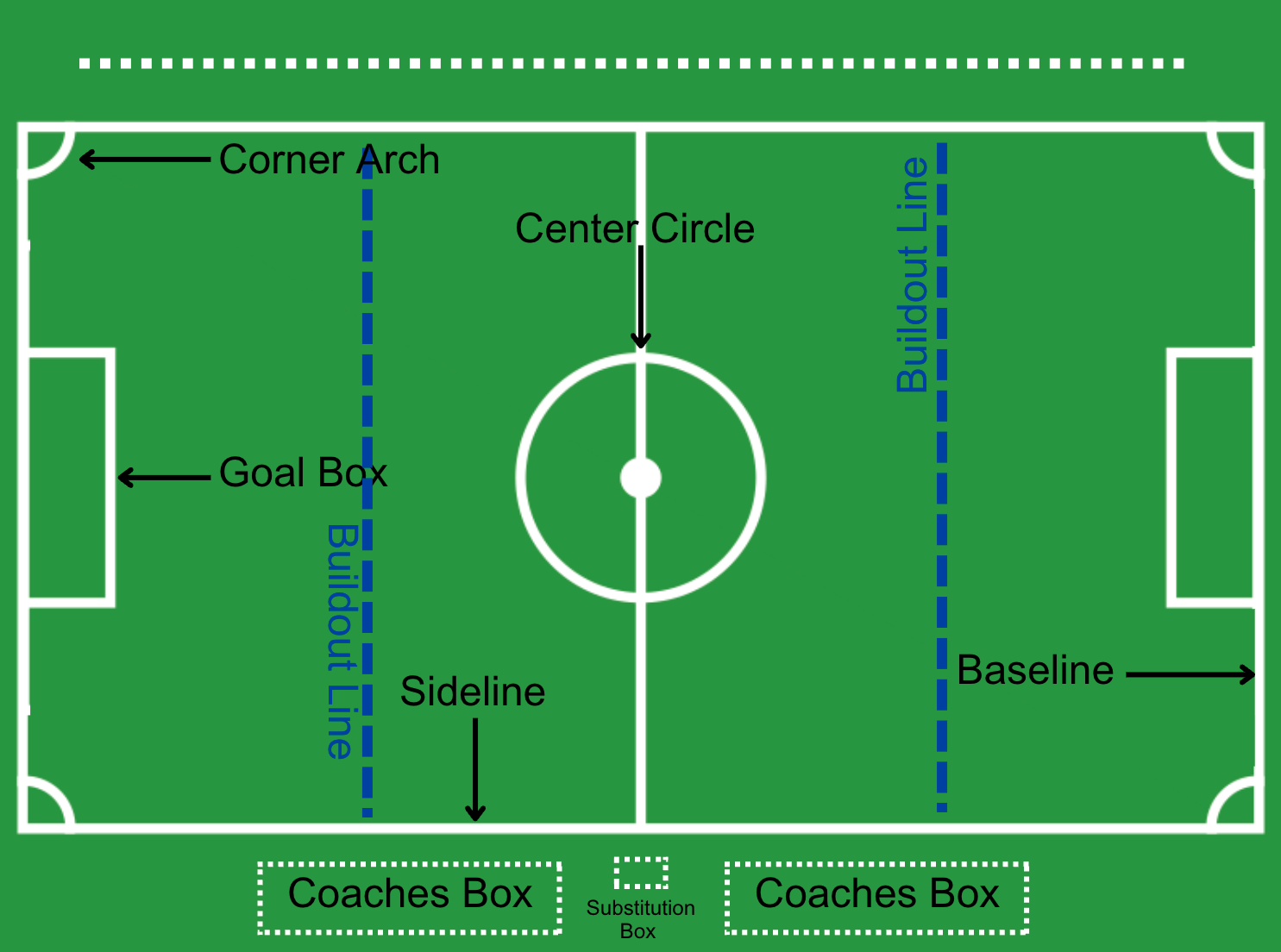
The difference isn’t just size. It’s about consequence and restart location. Get this wrong as a player, and you give away a penalty. Get it wrong as a ref, and you anger an entire stadium.
| Rule / Feature | Penalty Area (18-yard box) | Goal Area (6-yard box) |
|---|---|---|
| Primary Function | Defines where defender fouls lead to a penalty kick. | Defines where goal kicks are taken. |
| Secondary Function | Goalkeeper can handle the ball anywhere inside. | Moves attacking indirect free kicks to the 6-yard line. |
| Dimensions | 18 yds (16.5m) deep x 44 yds wide. | 6 yds (5.5m) deep x 20 yds wide. |
| Key Mark Inside | Penalty mark (12 yds / 11m from goal). | None. |
| Key Mark Outside | Penalty arc (10 yd / 9.15m radius from penalty mark). | None. |
| Offside | Offside rule applies. | Offside rule applies. |
The penalty arc is crucial. It ensures defenders are 10 yards away during a penalty kick. I’ve seen retakes awarded because an attacker stepped into the arc before the ball was kicked. The Wikipedia page on penalty kicks details the encroachment rule precisely, it’s a matter of millimeters and milliseconds for professional referees.
TL;DR: Foul in the big box: penalty. Ball out for a goal kick: use the small box. Attacking indirect free kick in the small box: move it back to the line.
The Penalty Kick: A 12-Yard Duel
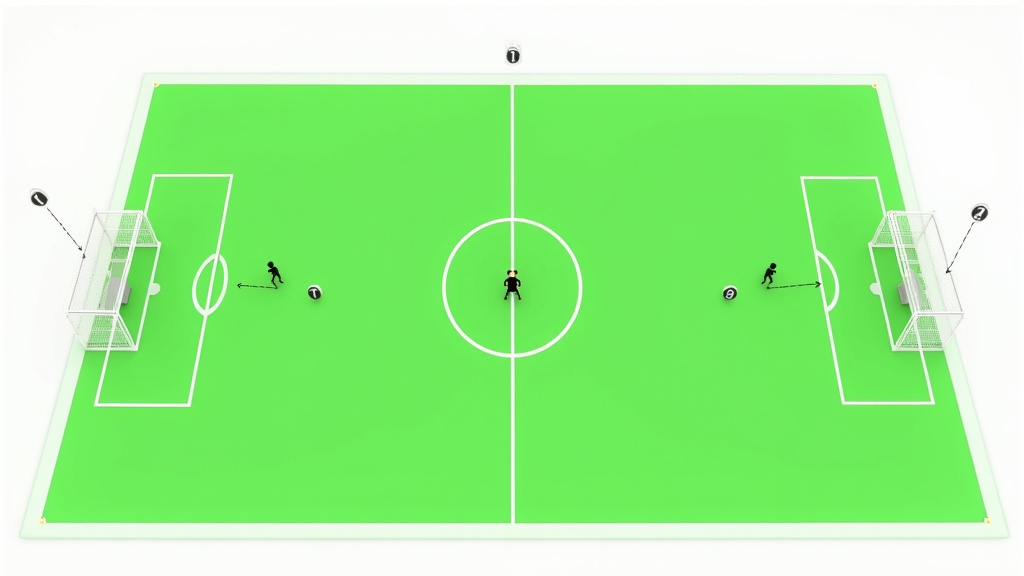
Everything funnels to the penalty mark. It’s 12 yards from goal, centered. The goalkeeper must have at least part of one foot on or above the goal line until the ball is kicked. They can move along the line, but not forward. The kicker must kick the ball forward. A stutter-step is allowed, but a full stop once the run-up starts is not.
The pressure is asymmetric. Studies of the German Bundesliga over 16 years show 76% of penalties were scored. But in World Cup shootouts, that rate drops to 69.4%. The occasion changes the math. The keeper’s job isn’t to save it, it’s to make the striker think they might.
Common mistake: Goalkeeper coming off the line early, if both feet are off the line before the kick, and the penalty is missed, it’s retaken. If it’s scored, the goal stands. It’s a gamble few keepers win.
The duel is mental. Strikers practice placement; keepers study tendencies. The official penalty kick rules from IFAB cover every nuance, including what happens if the ball hits the post and rebounds back to the kicker. The ball is back in play once it’s kicked and moves. If it rebounds off the post or keeper, the kicker cannot touch it again until another player has.
Why the Lines Matter for Goalkeepers and Defenders
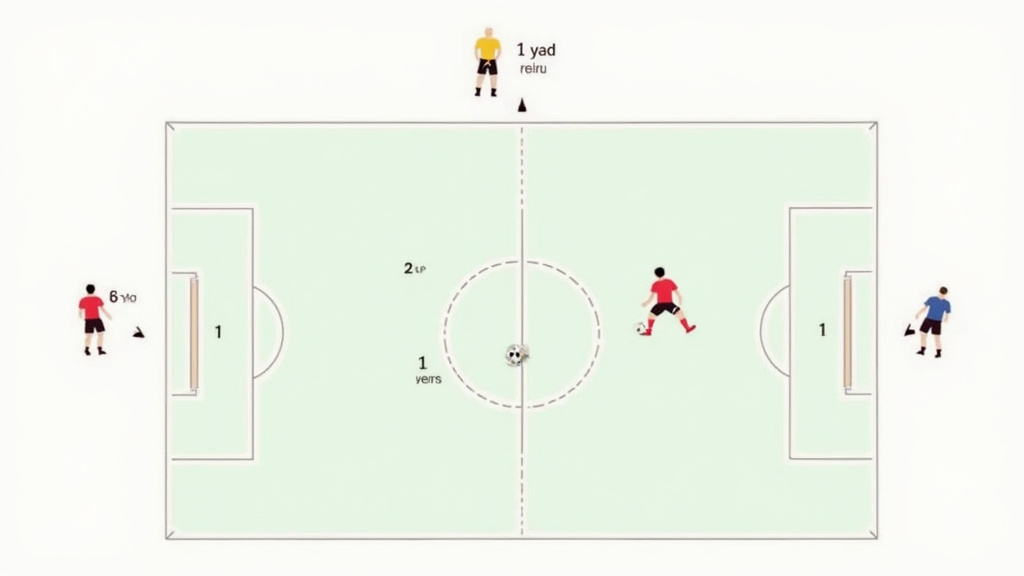
For a goalkeeper, the penalty area is their domain. They can use their hands anywhere inside it. Step one foot outside, and handling the ball is a direct free kick. I’ve seen veteran keepers, in the heat of a backpass, misjudge that line and give away a cheap one. The line is the law.
For defenders, the area defines risk. A tackle that’s a 50-50 challenge in midfield becomes a penalty in the box. The calculus changes. Do you dive in? Do you stand up? Modern defensive tactics teach body positioning and patience here. A clean tackle looks the same anywhere on the pitch. A reckless one costs a goal.
The 6-yard box is a goalkeeper’s operational base for goal kicks. They need space to place the ball and a clear line of sight. Defenders use it to regroup. But it’s not a bunker. High crosses aimed at the six-yard line are the most dangerous in the game. A study of La Liga and the Premier League found 78% of goals are finalized in central areas inside the box. That includes the six-yard zone.
TL;DR: Keepers can handle inside the 18-yard box, not outside. Defenders must tackle cleaner inside it than anywhere else. The six-yard box is a launchpad, not a sanctuary.
Youth Soccer: Smaller Goals, Same Boxes
The boxes are constant, but the goal changes. For U13 and up, the goal is the full 8 feet high by 24 feet wide. For younger age groups, the goal shrinks to match their size and ability. A U9-U10 goal is 6.5 feet by 18.5 feet. The penalty area is still 18 yards out. The goal area is still 6 yards out.
This means the relative space is different. A 6-yard box in front of a small goal feels larger. The penalty spot is still 12 yards away, but shooting at a smaller target is harder. Youth coaches who understand player roles use these dimensions to teach positioning. A young keeper learning to command their area needs to understand the lines are absolute, even if the goal behind them isn’t full-size.
The regulation soccer pitch layout, including these boxes, is non-negotiable for competitive play. It’s one of the few elements that doesn’t scale down.
Tactical Implications: Playing In and Around the Boxes
Coaches build strategies around these spaces. The penalty area is the scoring zone. Getting the ball there is the priority. The 4-4-2 system, for all its debates, is built on getting crosses into this area for two strikers. A 3-5-2 formation uses wing-backs to stretch play wide and serve balls into the same space.
The 6-yard box is where tap-ins happen. It’s where strikers like to loiter, and where defenders must clear decisively. A flick-on from a corner, a rebound from a save, it’s finished here. The 3-4-3 formation relies on wide forwards attacking this space from the flanks.
Defending these areas requires discipline. Pushing up to catch attackers offside is a common tactic, but the line is the last defender, not the edge of the box. A high line risks a through-ball into the vast space behind. The average soccer player distance covered includes a lot of tracking runs into and out of these zones.
| Situation | Penalty Area Focus | Goal Area Focus |
|---|---|---|
| Attacking Set Piece | Target the penalty spot for headers; blockers stand on the arc. | Position players on the 6-yard line for rebounds and flick-ons. |
| Defending Set Piece | Mark zonally or man-to-man across the entire 18-yard depth. | Assign a player to guard each post and the goal line. |
| Goalkeeper Distribution | Can handle the ball anywhere within; dictates throwing range. | Must take goal kicks from within; determines short build-up. |
| Referee Positioning | Must have angle to see fouls and handballs inside the box. | Needs clear sight to judge if ball fully crossed the goal line. |
TL;DR: Attackers want the ball in the 18-yard box. Defenders want it anywhere else. The 6-yard box is for finishes and restarts, not for goalkeeper immunity.
Frequently Asked Questions
What’s the difference between the penalty area and the goal area?
The penalty area is the large 18-yard box where a defender’s foul gives a penalty kick. The goal area is the smaller 6-yard box inside it, used for taking goal kicks and for moving attacking indirect free kicks back to its line.
Can the goalkeeper be fouled in the 6-yard box?
Yes. Absolutely. The 6-yard box provides no special protection against fouls for the goalkeeper. The standard Laws of the Game apply. A reckless challenge on a keeper in the 6-yard box is still a foul, and a keeper committing a foul there still gives away a direct free kick or penalty.
Where is the penalty spot?
The penalty spot, or penalty mark, is 12 yards (11 meters) directly out from the center of the goal line. It sits inside the penalty area, midway between the top of the box and the goal line.
What is the arc outside the penalty area for?
The penalty arc, with a 10-yard (9.15-meter) radius from the penalty spot, ensures all players except the kicker and goalkeeper stay at least 10 yards away from the ball during a penalty kick. Players must be outside the penalty area and behind this arc.
Do the dimensions change for youth soccer?
No. The dimensions of the penalty area (18 yards deep) and goal area (6 yards deep) are fixed by the Laws of the Game for all competitive 11v11 matches. The goalposts themselves get smaller for younger age groups, but the boxes on the ground remain the same size. This is a key difference from the variable field dimension comparisons seen in other sports.
How many goals are scored from inside the penalty area?
huge majority. Analysis shows over 87% of goals in the English Premier League are scored from inside the penalty area. The Wikipedia entry on the penalty area notes that 90% of goals in the 1986 World Cup came from this zone. It’s the decisive battlefield.
Before You Go
The 18-yard box and the 6-yard box are defined by paint, but they define the game. One is about punishment, the other about procedure. Knowing the difference changes how you watch, play, and coach. The penalty area is where defenders earn their pay with clean tackles. The goal area is where attackers pounce on loose balls. The lines are absolute. The keeper gets no special favors inside the six. The next time you hear someone shout about a foul in the “goalie box,” you’ll know they’re talking about a myth. The real action happens between the lines, exactly as the rulebook has drawn them for over a century.
I come from the “soccer heart” of Germany, the Ruhrpott. I have played, trained and followed soccer all my life and am a big fan of FC Schalke 04. I also enjoy following international soccer extensively.