Son Heung-min World Cup : Complete Player Profile & Stats
Son Heung-min will lead South Korea at the 2026 FIFA World Cup as their captain and key playmaker, selected for his fourth consecutive tournament by coach Hong Myung-bo. The 33-year-old forward, now with Los Angeles FC, brings unparalleled experience and a proven track record of delivering in crucial World Cup moments.
Most profiles will just list his stats and call it a day. They miss the real story. The story is about a player whose public role has fundamentally shifted, a team with raised expectations, and a tournament set in conditions that punish the unprepared.
This complete profile breaks down everything: his evolving role under a new coach, the unique squad around him, the tangible challenges of altitude, and why his current club form is a red herring. We look at the man, the team, and the mission.
Key Takeaways
- Son Heung-min’s selection marks his fourth World Cup, a testament to his longevity and status as the nation’s most important player, now serving as captain.
- His current club role at LAFC as a deep-lying creator, leading MLS in assists, is more relevant to his 2026 function than his much-discussed goal drought.
- Coach Hong Myung-bo faces the specific tactical challenge of utilizing Son’s creativity while managing the physical demands of two high-altitude group stage matches.
- The integration of dual-heritage defender Jens Castrop symbolizes a modernizing squad that blends established stars like Kim Min-jae with new blood.
- South Korea is no longer a tournament underdog; their 2022 round of 16 finish has created tangible pressure to advance from a manageable Group A.
The 2026 Squad: A Mix of Experience and New Blood
Coach Hong Myung-bo’s 26-man provisional squad, announced in May, is built on a core of veterans who know what World Cup pressure feels like. The spine of the team is familiar: Son Heung-min up front, Kim Min-jae marshaling the defense, Hwang Hee-chan providing direct running, and Lee Kang-in pulling strings in midfield. This isn’t a rebuild. It’s a refinement.
The most telling new name is Jens Castrop. The Borussia Monchengladbach defender is the first player with mixed German and Korean heritage to be selected for a South Korean World Cup squad. His inclusion isn’t a token gesture. It’s a pragmatic move to add depth and a different defensive profile, reflecting the global search for talent that defines modern international football. His adaptation, alongside the British-based midfield contingent, will be a subtle subplot to the team’s cohesion.
The 2026 Korea Republic World Cup squad, led by captain Son Heung-min, blends experienced tournament players from Europe’s top leagues with new tactical options like defender Jens Castrop. Coach Hong Myung-bo’s selection focuses on a balanced core capable of executing a high-pressing system while managing the unique challenge of two group-stage matches at 1,600 meters altitude in Guadalajara.
This blend creates specific tactical questions. Does Hong Myung-bo stick with the 4-2-3-1 that often featured Son on the left, or does he build around Son’s current LAFC role as a central facilitator? The pre-tournament friendlies against Trinidad and Tobago and El Salvador were less about the scoreline and more about testing these structural ideas. The answers will define their group stage.
TL;DR: Hong Myung-bo’s squad mixes World Cup-hardened stars with new faces like Jens Castrop, aiming for tactical flexibility to overcome Group A’s unique altitude challenge.
Son Heung-min’s Evolution: From Tottenham Speedster to LAFC Conductor
If you’re only looking at the “goals” column for Los Angeles FC this season, you’re reading the wrong stat sheet. The narrative of a drought is lazy. The reality is a positional metamorphosis.
At Tottenham, Son was the ultimate inside forward, a blur of pace cutting in from the left to curl shots into the far corner. At LAFC, manager Steve Cherundolo has deployed him differently. He often operates deeper, between the lines, tasked with linking play and unlocking defenses with a pass. The output? Zero MLS goals in twelve matches, but a league-leading nine assists. In all competitions for LAFC, he has 16 assists. He’s not fading; he’s adapting his game.
This matters for South Korea. Coach Hong Myung-bo has acknowledged this shift publicly. In a recent interview, he noted Son’s different club role and stated the need to communicate with his players to find the most suitable roles for the national team. This isn’t a coach ignoring a problem. It’s a coach analyzing a new tool. The Son of 2026 might not be the pure goal threat of 2018, but he could be a more complete, cerebral playmaker.
The physical demands are different, too. The explosive, repeated sprints of a winger are taxing. The movement of a creative hub, while still intense, can be more about timing and space. For a 33-year-old playing in his fourth World Cup, that evolution might just be the key to extending his influence deep into the tournament. Understanding a player’s typical retirement age and how they adapt their game is crucial to projecting their late-career impact.
The Captain’s Mindset: “Saving Them for the World Cup”
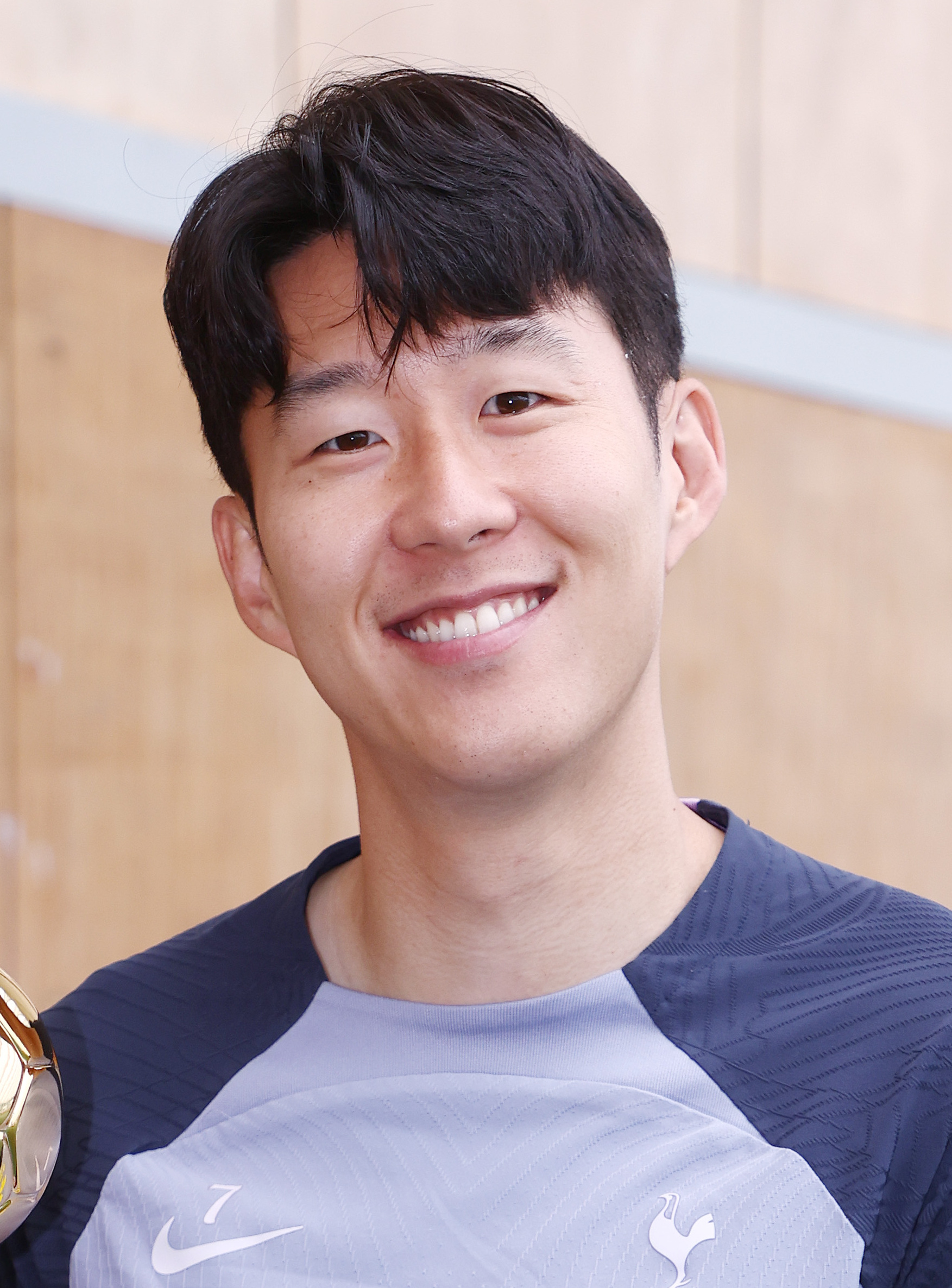
Photo: Ujishadow / Wikimedia Commons / CC BY-SA 4.0
.jpg)
Pressure breaks some players. Son Heung-min seems to metabolize it. Named captain for this cycle, he carries the hopes of a nation that now expects, rather than hopes, for a knockout stage appearance. His public demeanor is a masterclass in managing expectation.
In an exclusive interview with Goal.com, he addressed his club goal drought with a line that instantly became a headline: “I’m saving them for the World Cup.” It’s a perfect soundbite, confident, playful, and dismissive of external noise. He expanded, emphasizing that creating for teammates and winning is his priority, not personal glory. This isn’t a new act. It’s the same mindset that saw him assist Hwang Hee-chan’s last-gasp winner against Portugal in 2022, a moment of selfless clarity under extreme pressure.
Common mistake: Focusing solely on Son’s MLS goal tally, it ignores his transformation into a playmaker and his historical pattern of rising for his country. He scored 12 goals in 13 games to close the 2025 MLS season, proving the finishing instinct is merely dormant, not extinct.
His description of approaching his fourth World Cup with “childlike joy” is equally strategic. It reframes the tournament from a burden of expectation back to its core: a game. This psychological framing is vital for a squad where many players will be experiencing their first World Cup nerves. As one of the planet’s most-followed footballers, his public attitude sets a tone that ripples through the entire team.
The Tactical Puzzle for Hong Myung-bo
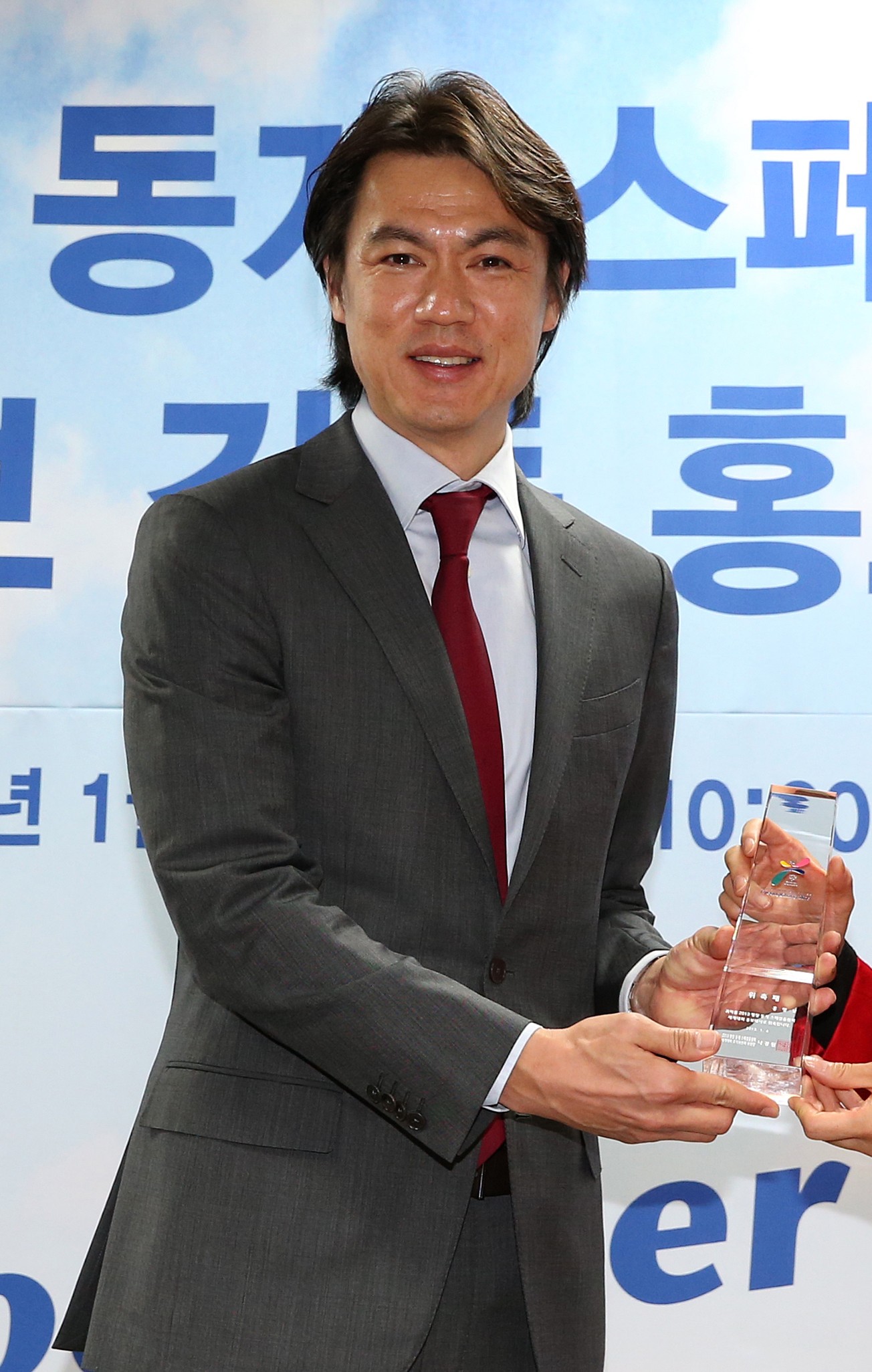
Photo: Republic of Korea / Wikimedia Commons / CC BY-SA 2.0

The coach’s job is not to simply pick his best eleven names. It’s to build a coherent system that maximizes their strengths and covers their weaknesses, all within a specific tournament context. For Hong Myung-bo, the context is unusually physical.
Two of Korea’s three Group A matches, against Czechia and Mexico, will be played in Guadalajara’s Estadio Akron, which sits at approximately 1,600 meters (5,250 feet) above sea level. The coach has openly cited this as a major concern. At altitude, the air is thinner. Players tire faster, recovery is slower, and the ball travels differently. It rewards teams with deep squads, smart rotation, and a pragmatic approach to pressing.
| Tactical Factor | Consideration for Hong Myung-bo | Risk if Ignored |
|---|---|---|
| Son’s Role | Deploy as a central #10 playmaker or left-sided forward? | Using him as a pure winger wastes his creative passing and burns his energy in high-altitude sprints. |
| Pressing Intensity | How aggressive can the press be in Guadalajara? | An overly ambitious high press in thin air leads to collective exhaustion by the 60th minute, leaving the defense exposed. |
| Squad Rotation | Managing minutes across the three group games. | Running the same XI into the ground in the first two altitude games guarantees a depleted team for the crucial third match. |
This environment may push Hong towards a more controlled, possession-based modern soccer tactics approach, rather than the all-out energy South Korea displayed at times in 2022. It makes the technical security provided by players like Lee Kang-in and the now-deeper Son even more valuable. A formation like a 3-5-2 formation analysis could provide defensive solidity with wing-backs providing width, conserving the energy of the forwards.
Group A Analysis: The Path to the Knockouts
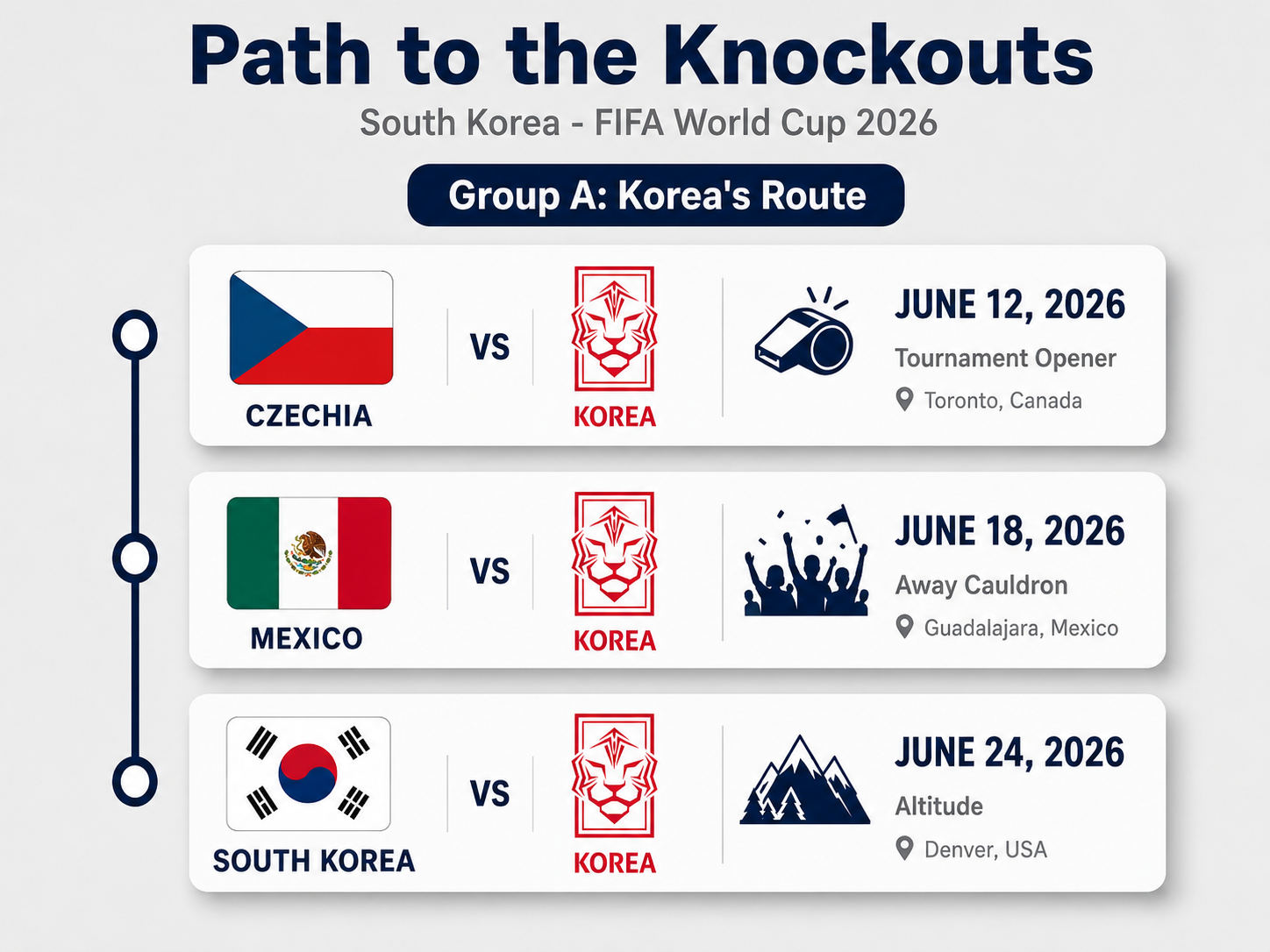
The draw has been relatively kind. South Korea avoided the deepest pools of death and landed in a group where progression is the clear expectation. But each opponent presents a distinct challenge.
- Czechia (June 11): The tournament opener. Often well-organized and physically robust, but lacking a true global superstar. This is a game Korea must control and win to set the tone. A draw here increases pressure immensely.
- Mexico (June 18): The de facto home team in Guadalajara. This will feel like an away game in a cauldron, compounded by the altitude. A point here would be an excellent result, making the final match a potential decider.
- South Africa (June 24): On paper, the most winnable fixture, played at lower altitude in Monterrey. The danger is if qualification comes down to this game, the pressure could be immense. South Korea’s superior individual quality should tell.
The minimum target is four points. A win against Czechia, a draw with Mexico, and a win against South Africa gets them to seven and likely top the group. The scenario everyone fears is a slow start, a loss or draw with Czechia, which would force a must-win scenario against Mexico in the altitude. This is where Son’s big-game temperament becomes non-negotiable.
Historical World Cup Impact: A Legacy of Clutch Moments
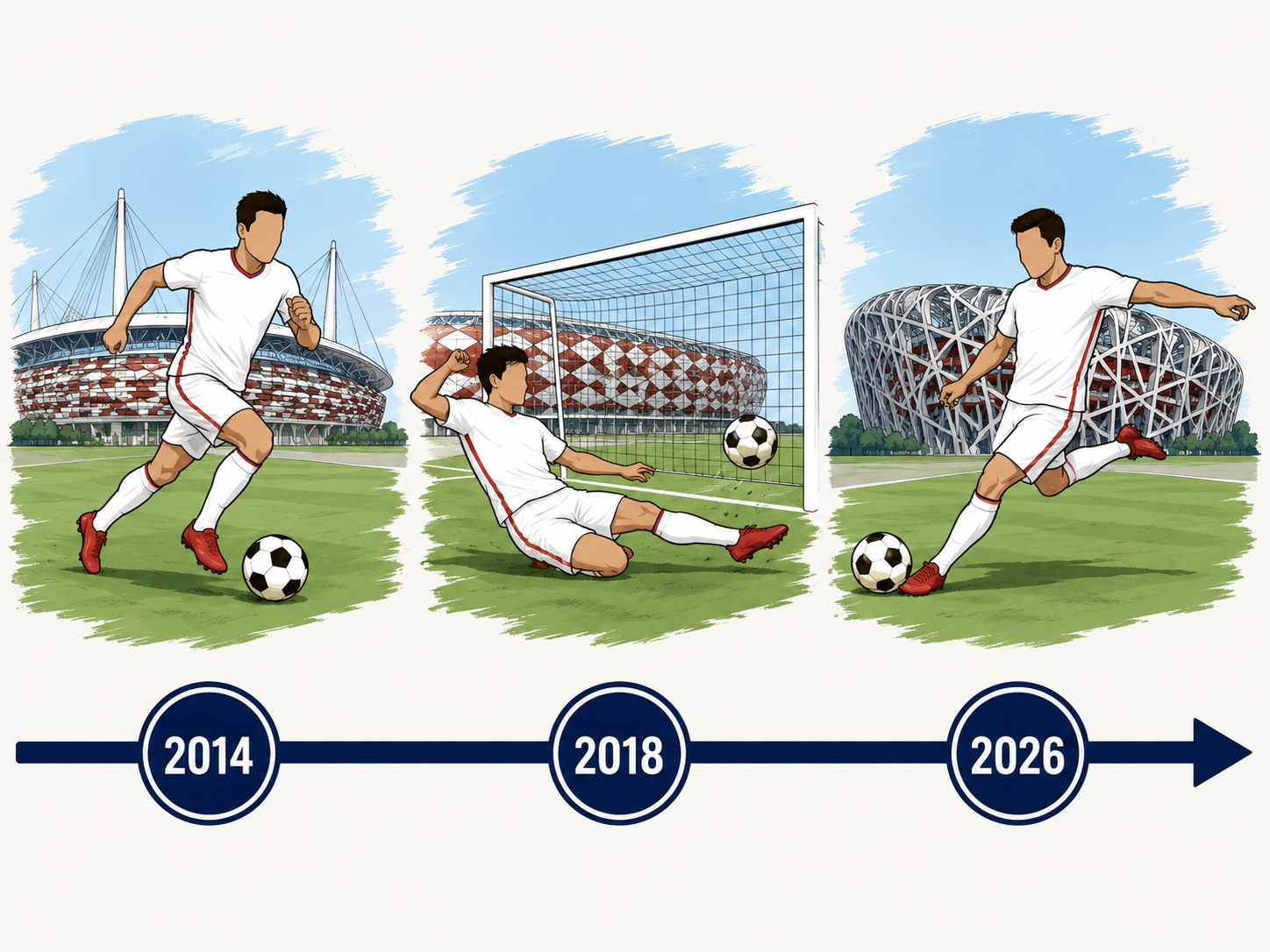
Son Heung-min doesn’t just go to World Cups. He stamps his name on them. His record is a highlight reel of timely interventions.
- 2014 (Brazil): At 21, he announced himself on the world stage. His powerful, driving run and finish against Algeria was a moment of individual brilliance in a tough tournament for Korea.
- 2018 (Russia): His iconic moment. In the 96th minute against the defending champions Germany, he chased a cleared ball the length of the field, kept his composure, and slid it into an empty net to seal a historic 2-0 win. It was the goal that eliminated Germany.
- 2022 (Qatar): As captain, his role evolved. With Korea needing a win against Portugal to have any chance of advancing, it was his vision and perfectly weighted pass in stoppage time that found Hwang Hee-chan for the dramatic winner. The assist was as valuable as any goal.
This history is why the “goal drought” talk is so irrelevant. He has consistently performed for his country when the lights are brightest. He is not a player who shrinks. This track record of delivering under pressure is what separates true 2026’s standout players from mere participants.
Physical Preparation & The Altitude Factor
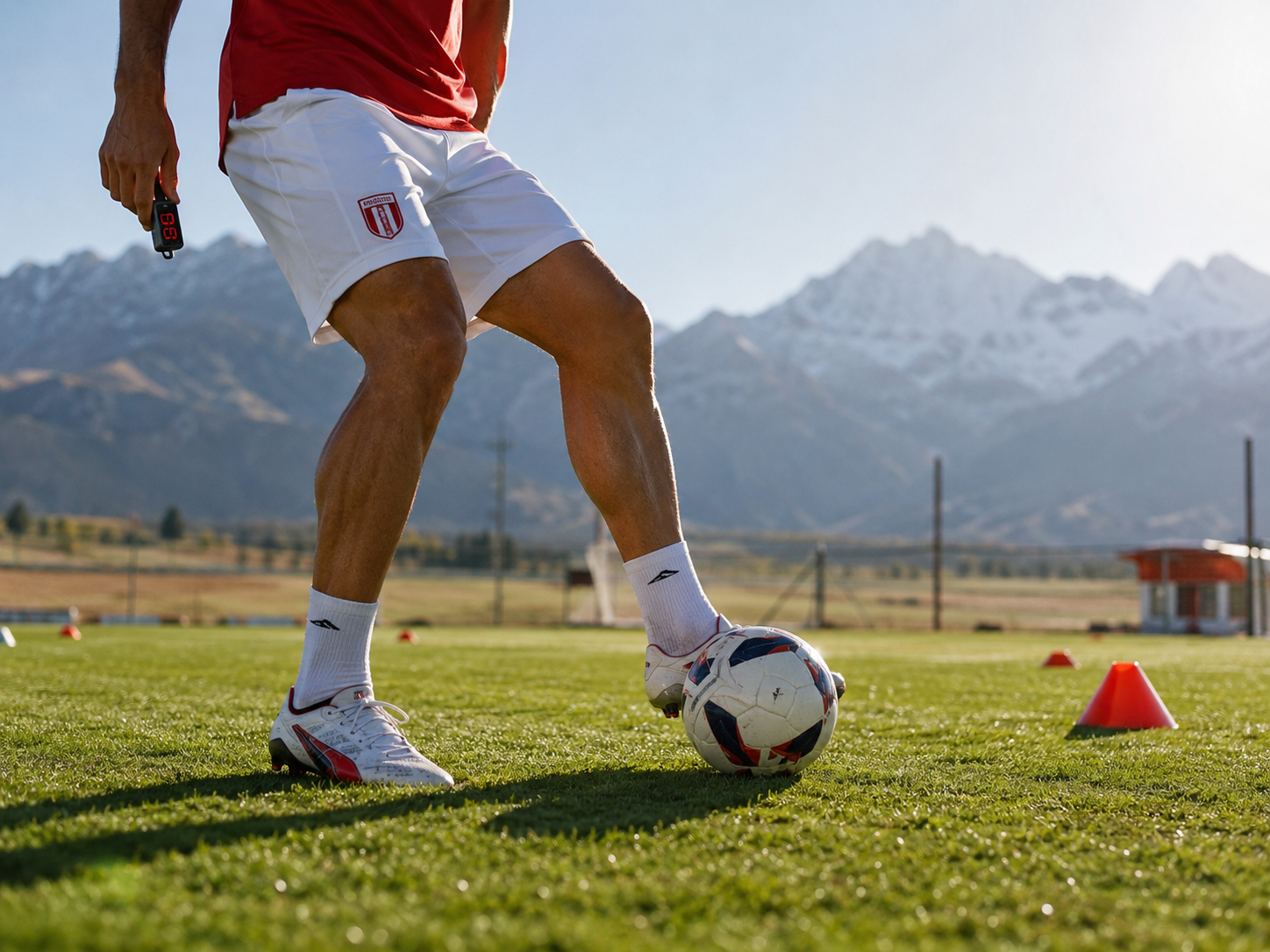
You can’t train for altitude in Seoul. The squad’s pre-tournament camp and their arrival timeline in Mexico will be as important as any tactical session. The body needs time to acclimatize, to produce more red blood cells to carry oxygen. Most sports science recommends a minimum of 10-14 days for partial adaptation.
This places a huge emphasis on the team’s soccer-specific training regimen and player nutrition tips in the weeks before. Hydration strategies, iron-rich diets to support red blood cell production, and tailored conditioning to improve aerobic efficiency become critical. For a veteran like Son, whose recovery needs are different from a 22-year-old, this period is managed with extreme care.
I’ve seen teams arrive at altitude two days before a match and look like they’re running in mud by halftime. The smart federations build their entire pre-tournament schedule around this one environmental factor. South Korea’s medical team will be earning their keep.
The friendlies against Trinidad and Tobago and El Salvador were likely used to build a base fitness level. The real work happens in the specialized camp. How the players, particularly the older core, respond in the first half against Czechia will be the first real test of this preparation.
Frequently Asked Questions
Is Son Heung-min definitely playing in the 2026 World Cup?
Yes. He was formally named in the 26-man provisional squad for Korea Republic by coach Hong Myung-bo. Barring a last-minute injury, he will be on the plane for his fourth consecutive World Cup.
Why isn’t Son scoring for LAFC, and does it matter for the World Cup?
He’s playing a deeper creative role at LAFC, leading MLS in assists. The goal drought is a function of position, not decline. For South Korea, his playmaking and experience are currently more valuable than his goal tally, as he has a history of scoring when it matters most for his country.
Who are South Korea’s key players besides Son Heung-min?
The squad is built around a core of elite European-based players: center-back Kim Min-jae (Bayern Munich), forward Hwang Hee-chan (Wolves), and creative midfielder Lee Kang-in (PSG). Their performances are crucial to supporting Son.
What is South Korea’s group at the 2026 World Cup?
They are in Group A with Czechia, Mexico, and South Africa. They play Czechia and Mexico in Guadalajara (high altitude) and South Africa in Monterrey.
How many World Cups has Son Heung-min played in?
The 2026 tournament will be his fourth. He previously played in the 2014 (Brazil), 2018 (Russia), and 2022 (Qatar) World Cups.
The Bottom Line
Son Heung-min’s 2026 World Cup profile is not a simple decline curve. It’s the story of a player in intelligent transition. The explosive winger is becoming the cerebral captain, the finisher is adding a masterclass in creation. His value to South Korea is now multidimensional: a leader, a decoy, a playmaker, and, when the moment demands it, a cold-blooded scorer.
The external focus on his club goal count misses the point entirely. Hong Myung-bo isn’t selecting the Tottenham Son of 2019. He’s selecting the LAFC conductor of 2026, a player whose game intelligence and passing vision have never been sharper. Paired with a solid squad and a manageable group, this evolved version of Son Heung-min is precisely what South Korea needs to navigate the altitude, the pressure, and their path back to the knockout stages. The childlike joy is still there. It’s now backed by the hardened wisdom of a man on his final, and perhaps most meaningful, World Cup mission.
I come from the “soccer heart” of Germany, the Ruhrpott. I have played, trained and followed soccer all my life and am a big fan of FC Schalke 04. I also enjoy following international soccer extensively.