World Cup Group E Preview: Teams, Tactics & Predictions
World Cup 2026 Group E will be contested by Germany, Ecuador, Ivory Coast, and Curacao. Germany is the overwhelming favorite to win the group. The real battle is for second place between a defensively stout Ecuador and the physically dominant African champions, Ivory Coast. Curacao, making their historic World Cup debut, are the clear underdogs.
Most previews stop at naming the teams and the favorite. They miss the specific, gritty details that decide matches: which manager’s system will crack under travel fatigue, which young star will freeze on the big stage, and which team’s style simply doesn’t translate across continents. That’s where groups are won and lost.
This complete preview breaks down each team’s tactical identity, key players, and the precise fixtures that will decide qualification. We’ll look beyond the obvious and give you the insights needed to predict the drama.
Key Takeaways
- Germany’s qualification is near-certain, but their knockout ceiling depends on Jamal Musiala’s form and Julian Nagelsmann’s tactical flexibility against deep blocks.
- The Ivory Coast vs. Ecuador match on June 14 is essentially a playoff for second place; the loser faces a nervous wait to see if a third-place finish is enough.
- Curacao’s entire strategy under Dick Advocaat will be low-block defensive discipline, aiming to steal a point against one of the bigger sides.
- The expanded 48-team format means a third-place finish could still advance, adding a crucial safety net for Ecuador or Ivory Coast if they slip up.
- North American venues favor Ecuador’s acclimatization and fan support, a small but real edge over Ivory Coast’s long travel.
The Contenders: A Team-by-Team Breakdown
Headlines call this a group of heavy favorites and underdogs. The reality is more nuanced. Each team carries a specific burden of history, expectation, and tactical puzzle that their manager must solve in a short tournament.
Germany: The Rebuilding Juggernaut
Recent World Cup failures in 2018 and 2022 created a cloud of pessimism. The aura of invincibility is gone. Under Julian Nagelsmann, however, a purposeful rebuild has taken shape. They cruised through qualification, winning five of six matches, and reached the Euro 2024 quarterfinals with a vibrant, vertical style.
Germany’s predicted 4-2-3-1 system under Nagelsmann emphasizes rapid vertical progression through the midfield double-pivot, high full-back positioning, and fluid interchanges between the attacking midfield trio of Musiala, Wirtz, and Gundogan. The system is designed to break low blocks through individual brilliance rather than sustained crossing.
Their strength is an embarrassment of attacking riches. Jamal Musiala is a world-class dribbler who unlocks defenses. Florian Wirtz provides creative guile. The concern, ironically, is in goal. Manuel Neuer’s legendary career is in its twilight, and a high defensive line behind an aging keeper is a risk. They also lack a classic, ruthless number nine; Kai Havertz is a facilitator, not a finisher.
TL;DR: Germany will dominate possession and create chances. Their tournament depends on converting those chances and their goalkeeper avoiding a high-profile error.
Ecuador: South America’s Disciplined Rise
Forget the plucky underdog narrative. Ecuador finished second in the brutal CONMEBOL qualifying, ahead of Brazil, Uruguay, and Colombia. This is a top-tier South American side built on an unshakeable defensive foundation. Manager Sebastian Beccacece employs a compact 4-4-2 that morphs into a 4-3-3 in possession.
Their spine is world-class. Moises Caicedo is a premier ball-winning midfielder in global football. Center-back Willian Pacho is a rising star in the Bundesliga. The teenage sensation Kendry Paez, set for Chelsea, provides magic. Veteran striker Enner Valencia offers a reliable goal threat. Their game is control: win the ball, transition quickly, and suffocate opponents.
Common mistake: Underestimating Ecuador’s physicality, they conceded the fewest goals in CONMEBOL qualifying, a testament to a system that punishes technical teams who lack a plan B.
Ivory Coast: African Champions with a Point to Prove
The Elephants are back as AFCON 2023 champions, but their World Cup history is bleak: three appearances, three group-stage exits. The pressure to finally reach a knockout round is immense. Coach Emerse Fae, who masterminded their AFCON triumph, uses a 4-3-3 built for explosive transitions.
They are the most physically imposing team in the group. Their game is based on a compact mid-block, winning second balls, and unleashing rapid wingers like Manchester United’s Amad Diallo. They topped their qualifying group undefeated, winning eight of ten matches. The question is tactical flexibility. Can they break down a team that refuses to engage, like Curacao likely will?
Curacao: The Historic Underdogs
Making their first-ever World Cup appearance, Curacao is the smallest nation by population ever to qualify. It’s a monumental achievement. Led by the vastly experienced Dutch manager Dick Advocaat, they are the ultimate underdog. Their squad is largely composed of players from the Dutch football pyramid, emphasizing organization and discipline.
Their 4-3-3 will be a deep, low block. Every match is a cup final. Their aim isn’t to qualify, it’s to be competitive, to maybe snatch a draw, and to build a foundation for the future. Thinking they can advance is unrealistic. Thinking they can’t steal a point and spoil someone’s party is a mistake.
| Team | Manager | Predicted Formation | Tournament Ceiling |
|---|---|---|---|
| Germany | Julian Nagelsmann | 4-2-3-1 | Champions |
| Ecuador | Sebastian Beccacece | 4-4-2 / 4-3-3 | Quarter-Finals |
| Ivory Coast | Emerse Fae | 4-3-3 | Round of 16 |
| Curacao | Dick Advocaat | 4-3-3 (Deep) | Group Stage |
The Managers & Tactics
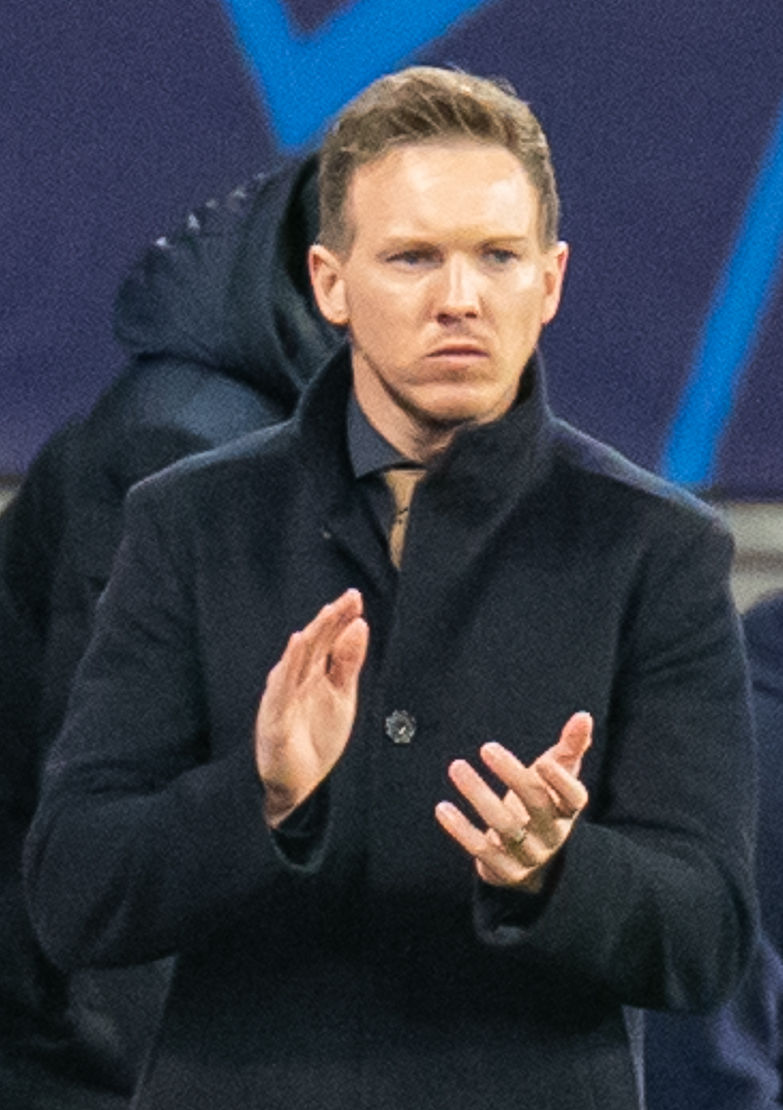
Photo: crop by InterEdit88 / Wikimedia Commons / CC BY-SA 4.0
Games are won by players, but tournaments are shaped by managers. The sideline battles in Group E feature a fascinating clash of philosophies, from German pressing schemes to South American defensive masterclasses.

Nagelsmann’s German Pressing Machine
Julian Nagelsmann isn’t just a coach; he’s a system architect. His Germany is defined by a relentless, organized press triggered by specific passing lanes. The aim is to win the ball high and attack a disorganized defense within three passes. This approach requires incredible fitness and intelligence from players like Joshua Kimmich and Ilkay Gundogan.
The potential flaw is exhaustion. A high press in the North American summer, across venues from Houston to Toronto, can drain a squad. If the press is broken, Germany’s high defensive line is exposed. Nagelsmann’s in-game adjustments, particularly if his initial plan is stifled, will be his ultimate test. His philosophy is a high-risk, high-reward soccer tactics guide that demands perfect execution.
Beccacece’s Ecuadorian Fortress
Sebastian Beccacece has built a team in his image: intelligent, resilient, and tactically astute. Ecuador’s 4-4-2 is less about flair and more about structure. The two banks of four are spatially perfect, the distances between lines are minimal, and they force opponents into wide areas where they can be pressed.
In possession, it becomes a 4-3-3, with one winger tucking in to add midfield control, a nod to modern 3-5-2 formation principles without sacrificing defensive solidity. This system is why they thrived in CONMEBOL. It’s designed for tournament football where clean sheets are gold.
Fae’s Physical Transition Game
Emerse Fae’s strategy is pure pragmatism. Ivory Coast will not dominate possession against Germany or Ecuador. They will cede the ball, form two rigid lines of four, and wait. The moment they regain possession, the trigger is pulled. Vertical passes seek the feet of Diallo or the powerful runs of a central striker.
This direct, physical approach is a classic counter to technical teams. It bypasses the midfield battle entirely. The risk is predictability. If a team like Curacao also sits deep and refuses to attack, the Elephants lack the intricate principles of play to break them down. They need the game to be open.
Advocaat’s Dutch School Discipline
Dick Advocaat’s job is simple: make Curacao impossible to break down. He will drill a 5-4-1 low block, focusing on zonal marking, compactness, and limiting space between the lines. The Dutch school of coaching emphasizes these defensive fundamentals above all else for underdog teams.
Their hope is to survive for 70 minutes, then introduce fresh legs and maybe snatch a goal from a set-piece. It’s not pretty, but it’s their only viable path to respectability. This disciplined approach mirrors the foundational ideas behind many best 11v11 formations designed for defensive stability.
Key Players to Watch
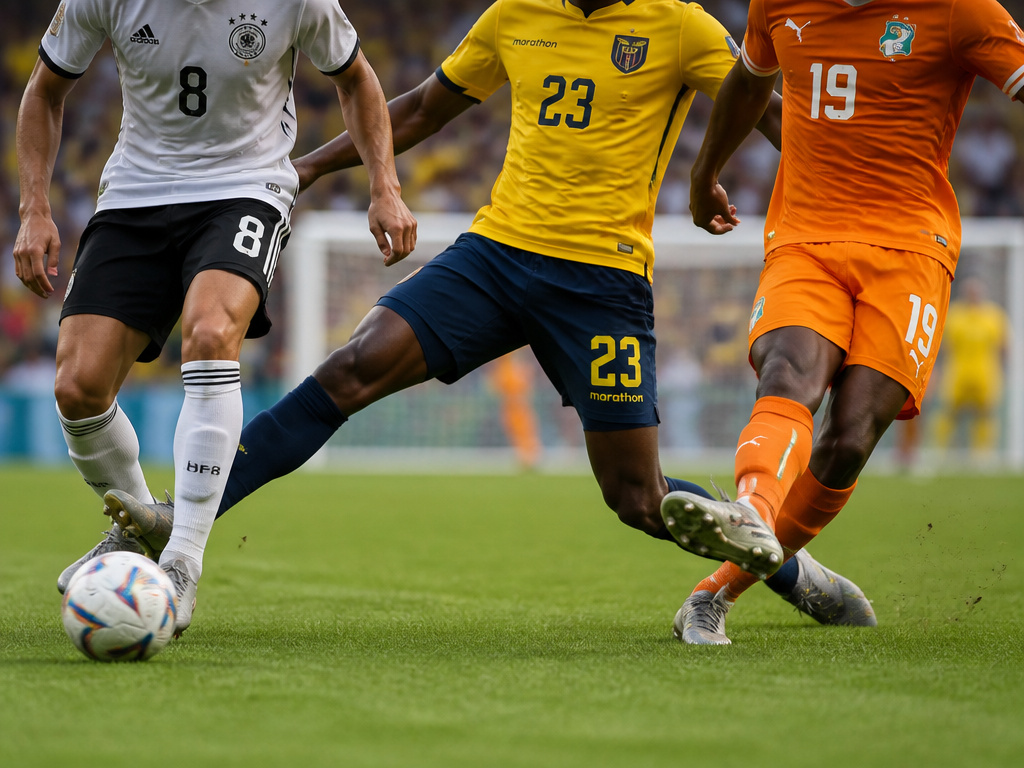
Tactics provide the framework, but individuals provide the moments. These are the players whose performances will directly dictate where their teams finish.
- Jamal Musiala (Germany): The designated game-breaker. If he’s dribbling past players and creating chaos, Germany looks like contenders. If he’s marked out, their attack can become sterile.
- Moises Caicedo (Ecuador): The destroyer and distributor. His ability to win midfield duels against Ivory Coast’s power and Germany’s technique is the key to Ecuador’s control.
- Amad Diallo (Ivory Coast): The x-factor. On his day, his pace and dribbling can terrorize any full-back. He is the embodiment of Ivory Coast’s transition threat.
- Leandro Bacuna (Curacao): The experienced heart. The veteran midfielder’s composure and set-piece delivery are Curacao’s most likely sources of a goal.
I watched Musiala closely during the Euro. When he gets the ball in the half-space, he forces defenders into a terrible choice: step in and get dribbled, or stand off and let him pick a pass. That hesitation is where Germany kills you. But in the two World Cup group exits, that player didn’t show up. The pressure on a 23-year-old to be the man for Germany is a heavier shirt than most realize.
Beyond the stars, watch Ecuador’s Kendry Paez. At 19, his fearlessness could be a secret weapon. Also, monitor Germany’s center-back pairing. Antonio Rudiger is a warrior, but his partner, whether Jonathan Tah or someone else, has not been consistently tested at this level. One defensive miscommunication against a pacey opponent changes everything.
Key Matches & Fixtures
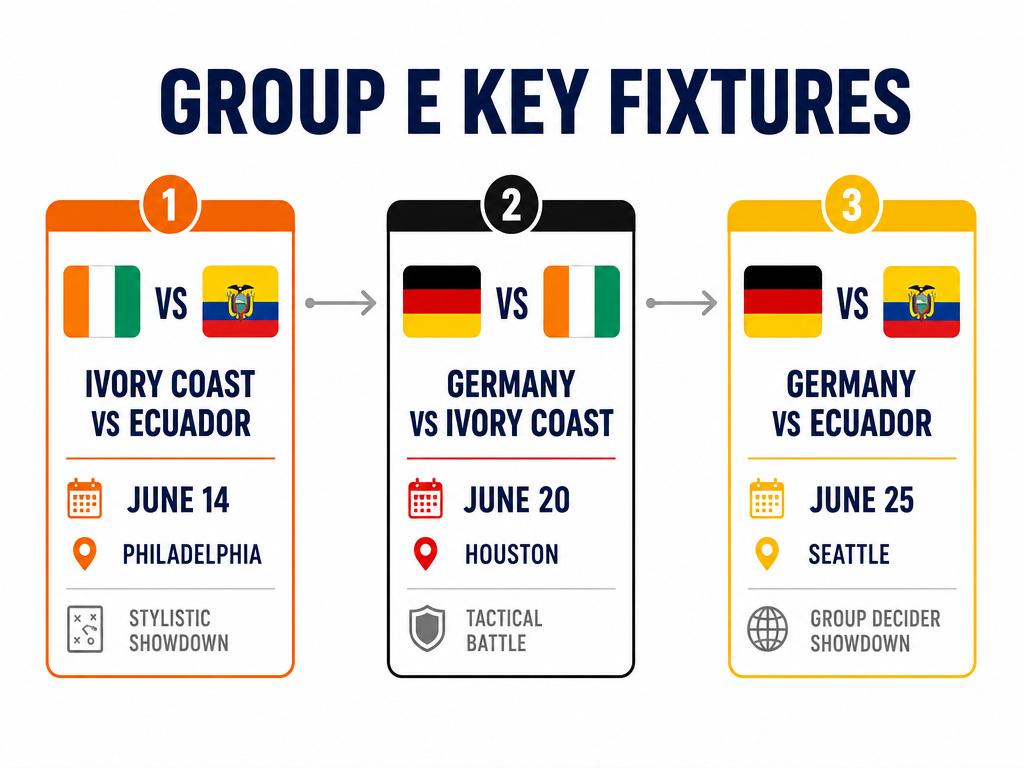
The schedule creates a clear narrative. The group’s destiny hinges on three crucial encounters.
- Ivory Coast vs. Ecuador (June 14, Philadelphia): This is the group’s first match and its most important. A win for either side gives them a massive advantage in the race for second. A draw leaves everything open but favors Ecuador, who likely have a better goal difference against Curacao. The clash between Ecuador’s structure and Ivory Coast’s power is the tournament’s first major stylistic showdown.
- Germany vs. Ivory Coast (June 20, Houston): Germany’s first real test. The heat and humidity in Houston could slightly level the playing field, favoring Ivory Coast’s physicality. If Germany’s press is sluggish, the Elephants can punish them. A German win here all but seals top spot.
- Ecuador vs. Germany (June 25, New York/New Jersey): Likely the decider for first place. If Ecuador beats Ivory Coast, they could come into this match needing only a draw to win the group, a staggering scenario. Germany will want to avoid the knockout stage drama of facing a group winner from another pool too early.
Curacao’s matches are all daunting, but their best chance for a result is their opener against Ivory Coast. The African side might be nervous or overlook them. If Curacao can frustrate them for an hour, tension builds, and mistakes happen.
Who will qualify from Group E?
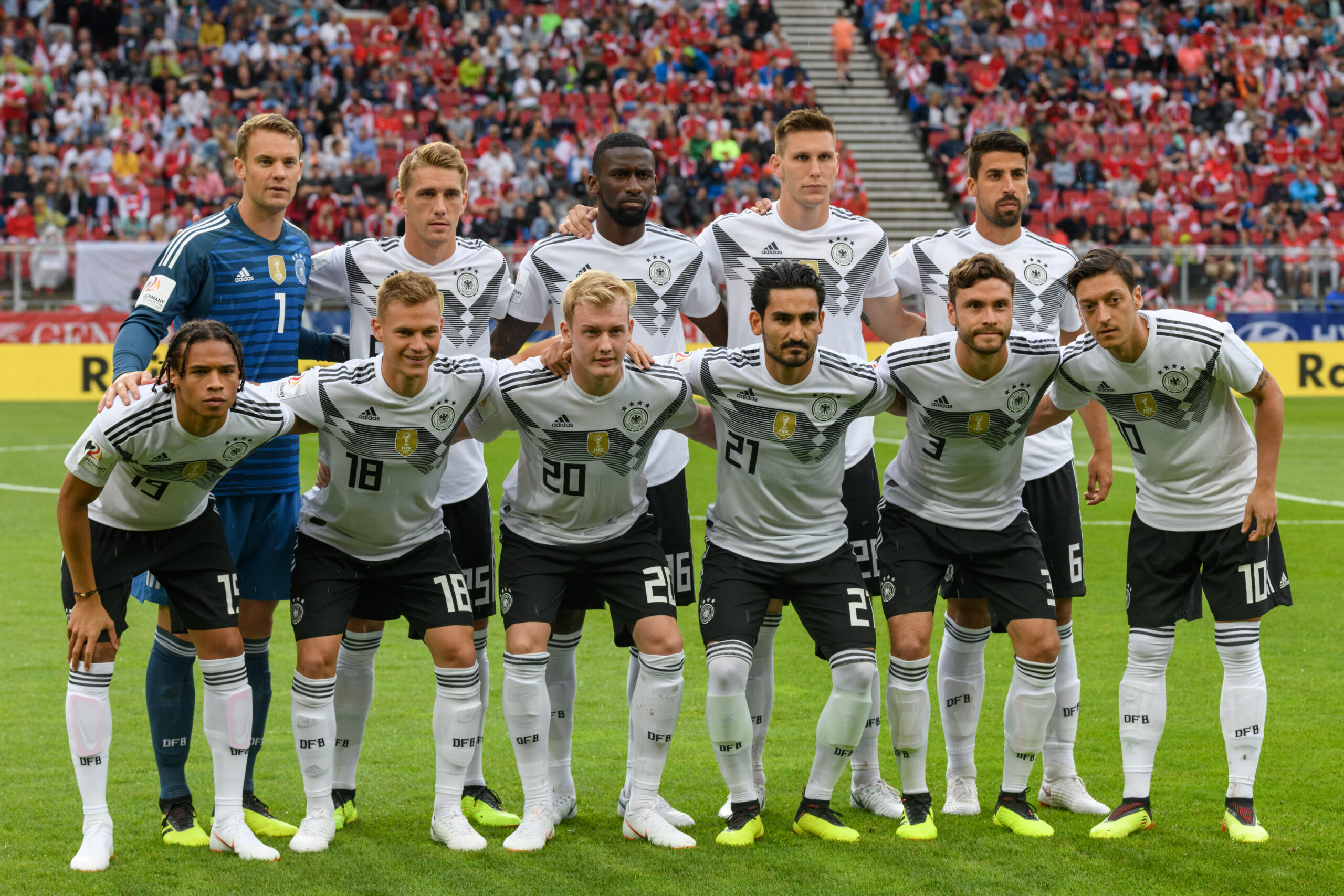
Photo: Granada / Wikimedia Commons / CC BY-SA 4.0
The predictions are straightforward, but the path is fraught with tension.

- Germany. Their quality and depth are too much. They should win all three matches. The only question is their margin of victory and goal difference, which could be crucial for historic high-scoring games in the knockout rounds.
- Ecuador. They get the nod over Ivory Coast because of their superior defensive organization and the slight geographic advantage of playing in North America. Their matchup with Ivory Coast is a coin flip, but their system is more reliable over three games. They know how to grind out results.
- Ivory Coast. They will push Ecuador to the limit and could easily finish second. Even in third, the expanded format gives them a strong chance of advancing as one of the best third-place teams. Their power will trouble many opponents.
- Curacao. A historic debut ends with three defeats, but they will compete fiercely. A single point would be a monumental success.
Common mistake: Assuming Curacao will be a walkover. Dick Advocaat’s teams are always organized, and a motivated underdog fighting for national pride can absorb immense pressure for 90 minutes. Underestimating them risks dropped points.
The wildcard is the third-place qualification. It changes the math completely. A team like Ivory Coast could lose to Ecuador, beat Curacao, and lose narrowly to Germany, finish with 3 points and a decent goal difference, and still go through. This safety net makes every goal, in every match, critically important.
The Bigger Picture: Knockout Stage Implications
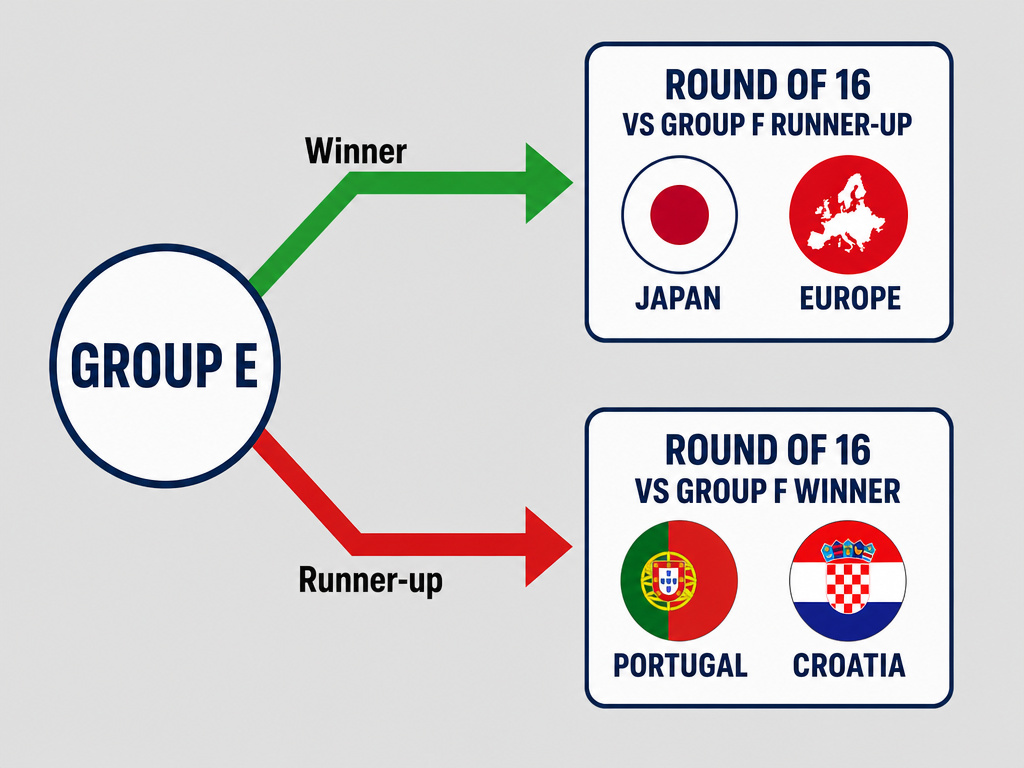
Finishing first or second in Group E sets up wildly different knockout paths. The group winner will likely face the runner-up from Group F, which could be a team like Japan or a European side. The runner-up from Group E draws the winner of Group F, potentially a titan like Portugal or Croatia.
For Germany, winning the group is non-negotiable to secure an easier Round of 16 tie. For Ecuador or Ivory Coast, simply advancing is the goal, but finishing second might mean a shorter tournament. The specter of extra time rules and penalty shootouts looms larger in these even matchups.
This group also serves as a fascinating study in global football trends. Can the European pressing model (Germany) overcome the South American defensive bloc (Ecuador)? Can African athleticism (Ivory Coast) disrupt both? The answers will influence the 2026 tactical trends for years to come. It’s a microcosm of the modern game, far removed from the classic 4-4-2 battles of past eras.
Frequently Asked Questions
What are the odds for Group E?
Germany is the heavy favorite, with odds around -340 to win the group. Ecuador is the clear second favorite at roughly +400, followed by Ivory Coast around +700. Curacao is a massive underdog, with odds as long as +13000.
Has Curacao ever played in a World Cup before?
No. The 2026 tournament will be Curacao’s historic first appearance at a FIFA World Cup finals. They are the smallest nation by population ever to qualify.
What is the most important match in Group E?
The opening match between Ivory Coast and Ecuador on June 14 in Philadelphia. It is essentially a direct playoff for second place and automatic qualification. The loser will be under immediate pressure and reliant on other results.
Can a third-place team from Group E advance?
Yes. The 2026 World Cup has expanded to 48 teams. The top two teams from each group advance automatically, and the eight best third-place teams from across all groups also progress to the Round of 32. This gives Ivory Coast or Ecuador a potential safety net.
Who are the key players for Ecuador?
Midfielder Moises Caicedo (Chelsea) is the engine, defender Willian Pacho (Eintracht Frankfurt) anchors the back line, and teenage attacker Kendry Paez (Chelsea-bound) is a rising star. Veteran striker Enner Valencia provides crucial experience and goals, much like other famous Argentine players have done for their nation.
The Bottom Line
Group E offers a perfect blend of pedigree, ambition, resurgence, and history. Germany should navigate it comfortably, but their real test comes later. The true heart of the group is the brutal, physical, and tactical war between Ecuador and Ivory Coast for that second ticket. Every tackle in that June 14 clash will feel like a final.
Curacao’s role is to be the spoiler, the team that reminds the favorites that World Cup points are never gifted. Watch for the managers’ adjustments, the stamina levels in the second halves, and the moments of individual magic from players like Musiala and Diallo. This group won’t just qualify teams; it will reveal which footballing philosophy is best equipped for the modern, globalized tournament. The journey of potential 2026 soccer legends begins here.
I come from the “soccer heart” of Germany, the Ruhrpott. I have played, trained and followed soccer all my life and am a big fan of FC Schalke 04. I also enjoy following international soccer extensively.