World Cup Group J Full Preview: All Four Teams Analyzed
World Cup 2026 Group J pits the defending champions Argentina against Algeria, Austria, and debutants Jordan. Argentina is the overwhelming favorite to top the group, with the real fight being for second place between Austria’s high-press system and Algeria’s attacking flair. Jordan’s first-ever World Cup appearance adds an unpredictable element, especially with their disciplined defensive setup.
Most previews get this group wrong by focusing only on Argentina. They miss the forty-year-old grudge match simmering beneath the surface and the specific pressure that comes with playing in three different American stadiums. The schedule isn’t random. It’s a tactical puzzle that will decide who survives.
Here is your complete guide to every team, every match, and every storyline in World Cup 2026 Group J.
Key Takeaways
- Argentina is the clear favorite, but managing Lionel Messi’s minutes at age 39 is their biggest internal challenge.
- The June 27 clash between Algeria and Austria in Kansas City is a direct knockout for second place, loaded with historical tension from the 1982 “Disgrace of Gijón”.
- Jordan’s compact 3-4-3 defensive block is designed to frustrate possession-heavy teams like Algeria; a draw in their opener against Austria is a realistic target.
- The group’s matches are spread across Kansas City, Dallas, and the San Francisco Bay Area, forcing teams to adapt to different climates and travel schedules.
- A third-place finish could still mean advancement in the expanded 48-team format, making every goal in every match critical.
The Match Schedule That Decides Everything
The fixture list for Group J is not a neutral calendar. It’s a sequence of escalating pressure. All times are Eastern.
| Matchday | Fixture | Location | Time (ET) | Key Narrative |
|---|---|---|---|---|
| 1 (June 16) | Argentina vs Algeria | Kansas City | 8:00 PM | Champions begin defense against a motivated Algeria. |
| 1 (June 16) | Austria vs Jordan | San Francisco Bay Area | 10:30 PM | Debutants face Rangnick’s intense pressing machine. |
| 2 (June 22) | Argentina vs Austria | Dallas | 7:00 PM | Austria’s press tests Argentina’s aging midfield. |
| 2 (June 22) | Jordan vs Algeria | San Francisco Bay Area | 9:30 PM | Arab derby with huge implications for Algeria. |
| 3 (June 27) | Algeria vs Austria | Kansas City | 8:00 PM | Winner likely advances, loser goes home. “Gijón revenge” subplot. |
| 3 (June 27) | Jordan vs Argentina | Dallas | 8:00 PM | Jordan’s “nothing to lose” final match against possibly rotated Argentines. |
The travel matters. A team playing in San Francisco’s cooler, often breezy conditions one week faces Dallas’ heat and humidity the next. Austria and Jordan both start on the West Coast, but Austria then travels to Dallas while Jordan stays in California. That extra travel for Austria before facing Argentina is a real factor.
Common mistake: Assuming Argentina’s match against Algeria is the group’s decisive game. The real decider is Algeria vs Austria on the final matchday. Both teams will know exactly what they need, and the ghost of 1982 will be in the stadium.
The third matchday is played simultaneously, a rule instituted specifically because of the 1982 Algeria-Austria-West Germany incident. No collusion possible this time. Every minute in Kansas City and Dallas will be tense.
TL;DR: The schedule forces Austria to travel before facing Argentina and sets up a final-day winner-takes-all clash between Algeria and Austria, with Jordan looking to play spoiler.
Argentina: Managing the Title Defense
Lionel Scaloni’s side is the obvious favorite. They are ranked third in the world, and the confidence from winning in 2022 is still palpable. The tactical blueprint is well-known: a ferocious high press, rapid transitions from defense to attack, and a possession game that grinds opponents down. They’ll likely use a 4-2-3-1 or a 4-3-3, with Lautaro Martinez leading the line and Rodrigo De Paul providing the midfield engine.
The problem isn’t quality. It’s mileage.
Lionel Messi will be 39. Cristian Romero, Rodrigo De Paul, and Alexis Mac Allister will have played full club seasons in Europe. Scaloni’s primary job in the group stage isn’t to win it – that’s expected – but to manage his squad’s energy for the knockout rounds. This creates a weird dynamic. Do they go full throttle against Algeria to set a tone, or do they conserve legs knowing the bigger tests are later?
Argentina’s 2026 squad will be built around a core of experienced winners, but the physical demands of Scaloni’s high-pressing system in a North American summer present a unique rotation challenge. Key players like Lautaro Martinez and Rodrigo De Paul must be managed through the group stage to ensure freshness for the knockout rounds.
I watched Argentina in the 2022 tournament. Their intensity was unsustainable over 90 minutes, but they picked their moments perfectly. In 2026, with an older squad, those “moments” will need to be even more precise. A half-paced Argentina is still better than most teams, but it opens a door. Austria’s press, in particular, could disrupt them if De Paul and Enzo Fernández aren’t sharp.
TL;DR: Argentina’s talent should see them top the group, but their biggest enemy is their own schedule and an aging core. Scaloni’s squad management is more important than any tactical tweak.
Austria: Ralf Rangnick’s Pressing Project
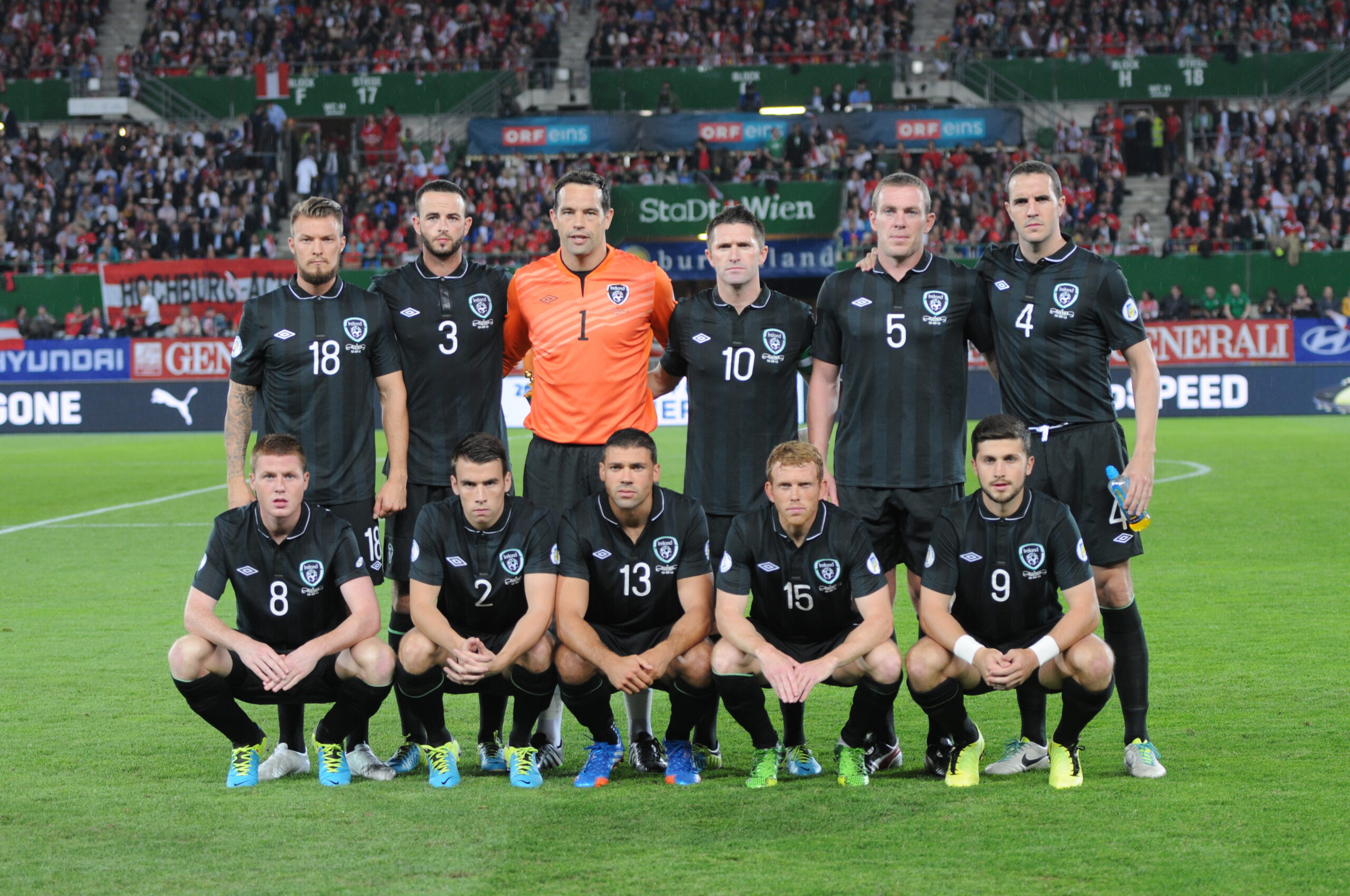
Photo: Michael Kranewitter / Wikimedia Commons / CC BY-SA 3.0 at
Ralf Rangnick didn’t invent gegenpressing, but he is its high priest. Austria will run. And run. And then run some more. They want the game played at a frantic, vertical pace, winning the ball high and attacking before the defense sets. It’s exhausting to play against and, when it works, devastating to watch. Their likely 4-2-3-1 setup relies on the energy of Konrad Laimer and Marcel Sabitzer in midfield, with Marko Arnautović providing a physical focal point up front.

David Alaba’s presence is a question mark due to his long-term knee injury. If he’s fit, his leadership and ball-playing ability from defense change everything. If he’s not, the backline looks significantly more vulnerable.
The squad depth is Austria’s Achilles’ heel. Rangnick’s system demands extreme physical output. By the third group game against Algeria in Kansas City, his players will be running on fumes. That’s the gamble.
I’ve seen Rangnick’s Red Bull teams in the Bundesliga for years. The first 60 minutes are a whirlwind. The last 30 are a endurance test for his own players. In the humidity of a Kansas City June evening, against an Algeria side that loves possession, that fatigue could be decisive.
Their opener against Jordan is critical. They need to win, and win with authority, to build goal difference and confidence before facing Argentina. A stumble there puts immense pressure on the final game.
Algeria: The Ghost of Gijón and Riyad Mahrez’s Last Dance
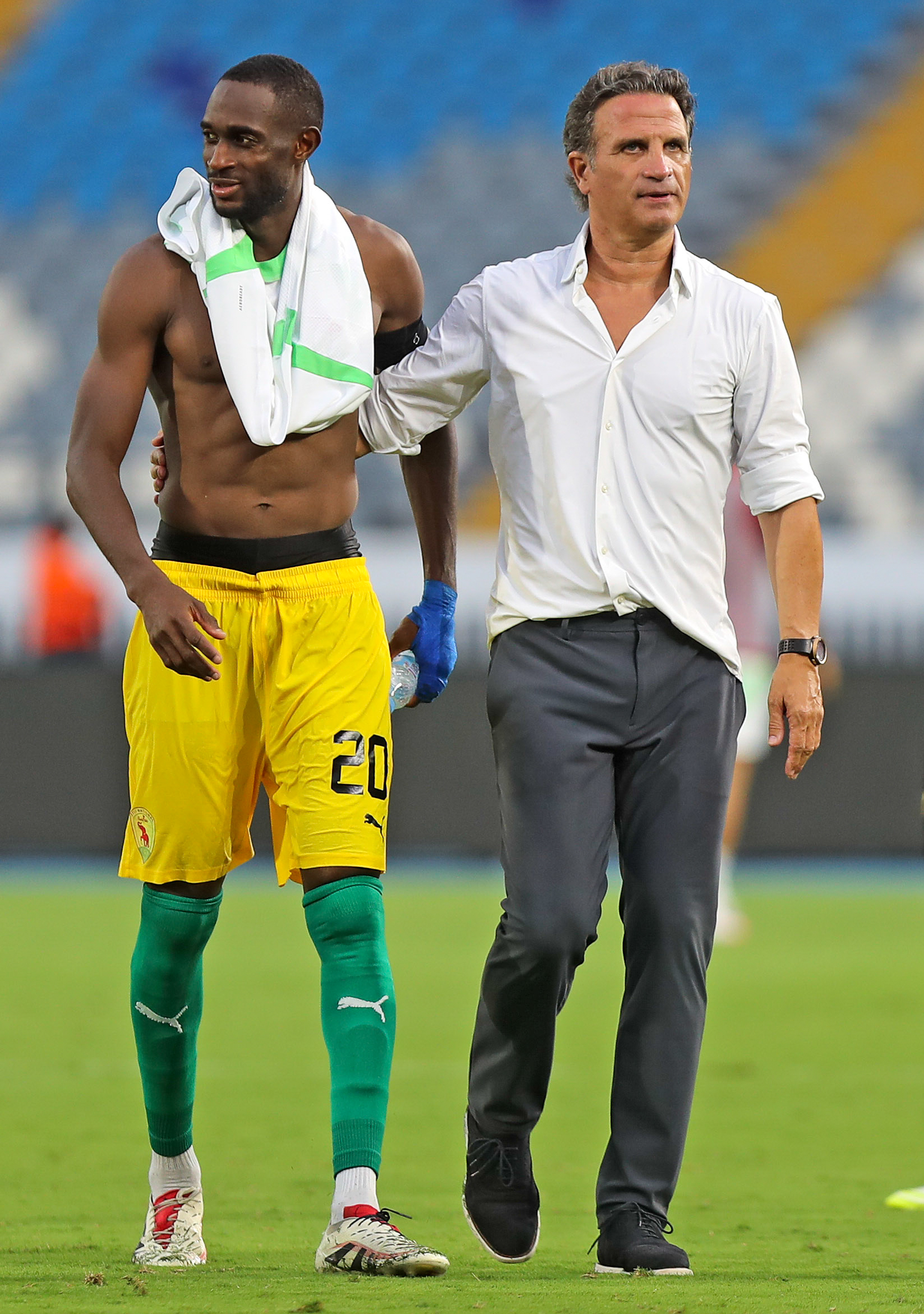
Photo: feguifoot / Wikimedia Commons / Public domain
Algeria’s return to the World Cup after 12 years is fueled by more than just talent. The “Disgrace of Gijón” from 1982, where Algeria was eliminated amid allegations of collusion between Austria and West Germany, is national folklore. The rematch on June 27 isn’t just another game. It’s a forty-year-old reckoning.

On the pitch, they are arguably the most watchable team in the group after Argentina. Coach Djamel Belmadi favors an attack-minded 4-4-2 or 4-3-3, with wide runners like Riyad Mahrez and Ramy Bensebaini providing creativity. They play with combination and flair. They are also suspect defensively on the counter, a weakness Austria will look to exploit.
Mahrez is the captain and the heartbeat. This is almost certainly his World Cup swansong. His ability to produce magic in big moments is the difference between Algeria being a plucky loser and a knockout-stage team. The supporting cast is strong – Rayan Aït-Nouri, Ismaël Bennacer – but the team rises and falls with Mahrez’s influence.
Their match against Jordan is a potential trap game. As two Arab nations, the pride on the line is immense. Jordan will sit deep and counter. Algeria’s patience and ability to break down a low block will be tested immediately.
Jordan: The Debutants with Nothing to Lose
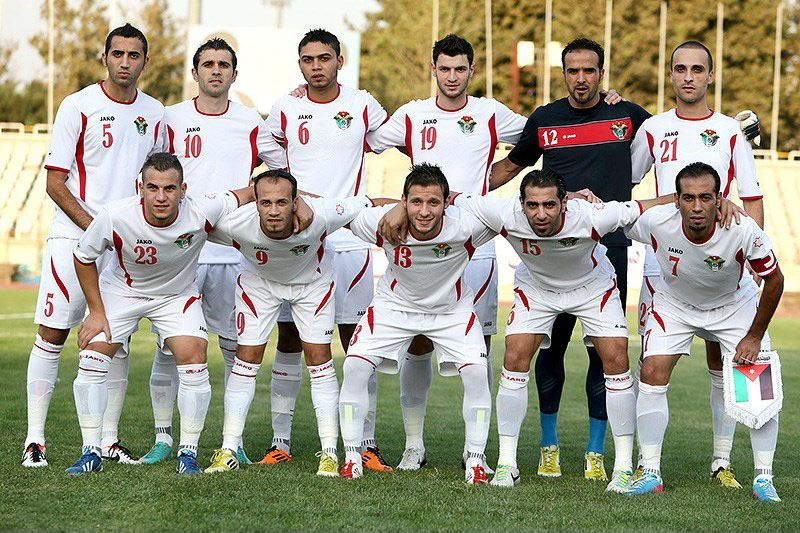
Photo: Javid Nikpour / Wikimedia Commons / CC BY 4.0
Making your World Cup debut is a monumental achievement. Doing it in a group with the defending champions is a brutal welcome. Jordan, under coach Jamal Sellami, are not here to be tourists. Their run to the 2024 Asian Cup final was built on a rock-solid defensive block, typically a 3-4-3 that morphs into a 5-3-2 without the ball.

Their star is Musa Al-Taamari, the Montpellier winger whose dribbling and pace on the counter are their primary offensive threat. He’s the kind of player who needs one moment of space to change a game.
Common mistake: Writing off Jordan as easy points. Their entire tactical identity is built to frustrate better teams. They will pack the middle, force play wide, and look to hit on the break through Al-Taamari. Against a possession-heavy team like Algeria, this is a perfect setup for an upset.
Their first match against Austria is their best chance for a result. Austria will commit numbers forward, leaving space in behind. A draw there would be a historic result and completely scramble the group’s dynamics. Even a narrow loss with a disciplined performance builds confidence for the Algeria game.
TL;DR: Jordan’s role is that of the spoiler. They won’t win the group, but they can absolutely decide who finishes second by taking points off Austria or Algeria.
Tactical Blueprints: Four Approaches Collide
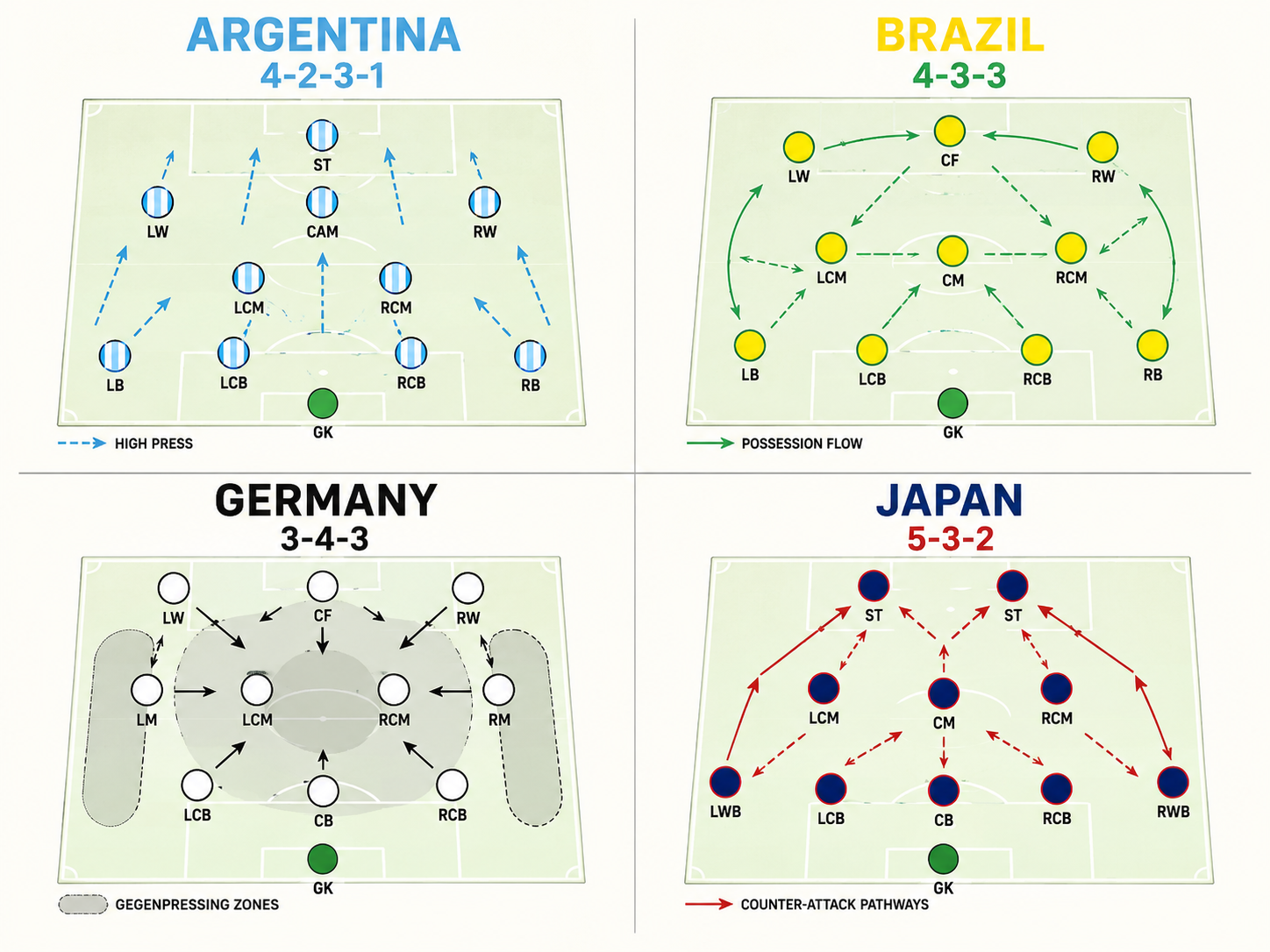
This group offers a clinic in contrasting football philosophies. Understanding these soccer tactics guide is key to predicting the matches.
| Team | Likely Formation | Core Tactic | Biggest Strength | Biggest Weakness |
|---|---|---|---|---|
| Argentina | 4-2-3-1 / 4-3-3 | High press, rapid transitions, controlled possession | Squad depth, tournament experience, Messi’s magic | Aging core, physical demands of their own system |
| Austria | 4-2-3-1 | Gegenpressing, high-intensity, vertical attacks | Relentless energy, tactical discipline | Thin squad depth, vulnerable if press is broken |
| Algeria | 4-4-2 / 4-3-3 | Possession-based, attacking width, combination play | Creative flair (Mahrez), set-piece threat | Defensive fragility on the counter-attack |
| Jordan | 3-4-3 / 5-3-2 | Compact low block, disciplined defending, direct counters | Defensive organization, team spirit, Al-Taamari’s pace | Lack of World Cup experience, limited offensive creation |
The head-to-heads are fascinating. Austria’s press versus Algeria’s possession is the standout tactical duel. Can Algeria’s technicians play through the pressure, or will Austria win the ball high and score? Jordan’s deep block against Argentina’s patience will test the champion’s ability to break down a stubborn defense – a scenario they didn’t face often in 2022.
The 3-5-2 formation is often discussed as an alternative for Austria or Jordan to gain midfield control, but both coaches seem committed to their primary shapes. Argentina’s flexibility, however, means they could switch to a 3-4-3 formation if they need more attacking width against a team like Jordan.
Who Advances and Who Goes Home?
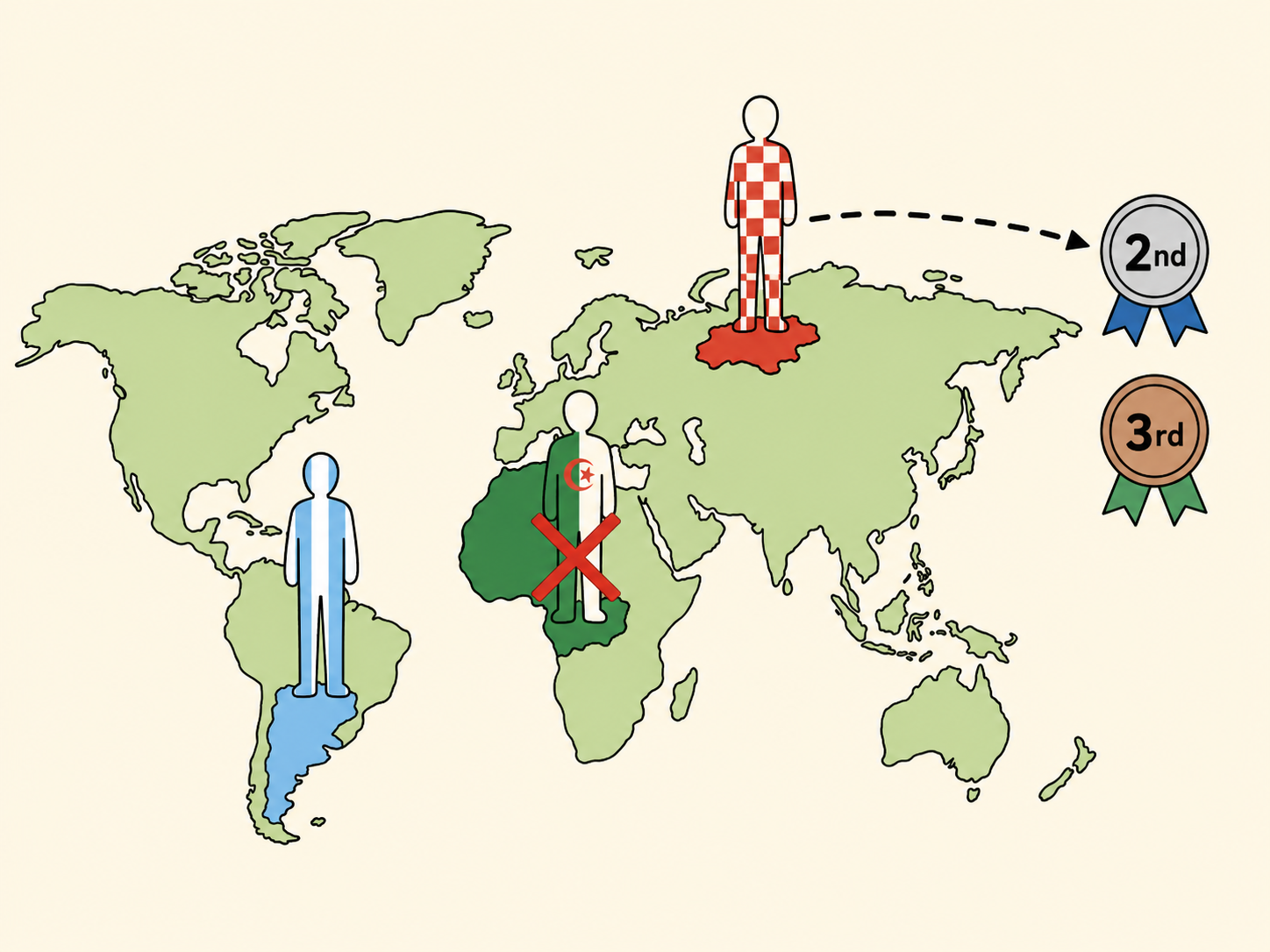
Predicting this group means accepting one fixed point and then untangling a knot.
- Argentina finishes first. Their quality is too high, and even a rotated side should collect seven points minimum. Their match against Austria is the biggest threat to a perfect record.
- Austria finishes second. Rangnick’s system is built for tournament surprises, and their discipline gives them a slight edge over Algeria in what will be a physically brutal final match. Their opener against Jordan is a must-win.
- Algeria finishes third. They will play thrilling football and might even beat Austria, but their defensive lapses will cost them points somewhere – likely against Jordan or in a shootout with Austria. A third-place finish could still see them advance as one of the best third-placed teams.
- Jordan finishes fourth. Their goal is respect and perhaps a historic point or three. Stealing a draw from Austria or Algeria is their path to leaving a mark.
The wildcard is the expanded format. Finishing third might be enough. That changes the calculus on the final day. A team sitting third might play for a specific goal-difference outcome, knowing a narrow loss could still see them through. This makes every goal in every game critically important, turning potential dead rubbers into nail-biters.
For the latest updates on FIFA World Cup group standings and the detailed tie-breaker procedures, the official documentation is the definitive source.
TL;DR: Argentina first, Austria second in a tight race, Algeria a dangerous third, Jordan fourth but capable of an upset. The third-place team might still advance.
The Knockout Road Ahead
The group winner and runner-up don’t just advance; they get specific, and very different, knockout round paths.
- Group J Winner plays the Runner-up of Group H. This is likely a more favorable draw, avoiding the Group H winner in the Round of 32.
- Group J Runner-up plays the Winner of Group H. This is the tougher immediate assignment.
Group H contains Portugal, South Korea, Canada, and Saudi Arabia. Portugal would be the expected winner, making the runner-up’s path a daunting match against Cristiano Ronaldo’s side. This adds another layer of strategy to the final matchday. Could there be a scenario where finishing second is actually preferable? Unlikely, but it’s a wrinkle.
The potential for memorable overtime matches in the knockout stage increases with these matchups. A tense clash between, say, Austria and Portugal could easily go beyond 90 minutes.
Frequently Asked Questions
What are the dates for World Cup 2026 Group J matches?
The group stage runs from June 16 to June 27, 2026. Matchday 1 is June 16, Matchday 2 is June 22, and Matchday 3 is June 27. All matches will be played in the United States.
Can Jordan qualify from Group J?
It’s highly unlikely Jordan finishes in the top two. Their realistic goal is to finish third and hope to be one of the best third-placed teams across all groups. A win or two draws would be a massive success.
Why is the Algeria vs Austria match so significant?
Beyond deciding second place, it carries the historical weight of the 1982 “Disgrace of Gijón,” where Algeria was eliminated amid allegations of collusion between Austria and West Germany. For Algerian fans, this is a forty-year-old grudge match.
How will the 48-team format affect Group J?
With more teams advancing, finishing third might be enough. This means all three matches for each team carry weight, and goal difference becomes even more critical. A team could lose two games and still progress.
What is Argentina’s biggest weakness?
Managing an aging squad, particularly Lionel Messi at 39, through a high-intensity pressing system in a summer tournament across multiple US cities. Squad rotation and fatigue management are Scaloni’s biggest tests.
Before You Go
Group J is more than just Argentina’s victory lap. It’s a story in three acts: the defending champions navigating expectation, a bitter forty-year-old rivalry renewed, and a debutant playing with house money. The schedule, spread across three distinct host cities, adds a physical dimension most previews ignore.
Watch the Austria-Jordan opener. It sets the tone for the battle for second. Watch the Algeria-Austria finale. It’s the real group decider, soaked in history. And watch Argentina carefully. Their performance will tell you if they’re pacing themselves for another long run or if the champion’s curse is real.
For more on the players defining 2026 and other key tournament storylines, explore our full coverage.

I come from the “soccer heart” of Germany, the Ruhrpott. I have played, trained and followed soccer all my life and am a big fan of FC Schalke 04. I also enjoy following international soccer extensively.