Your Complete Guide to USA’s World Cup Football Jerseys
Your complete guide to USA’s World Cup football jerseys centers on three elements: the player-driven dual-design philosophy, the sustainable Aero-FIT technology made from recycled materials, and the confirmed manufacturing defect on the shoulder seam that emerged during the March international fixtures.
To understand the 2026 USA World Cup jersey, you need to match three things: the dual design philosophy driven by player feedback, the advanced Aero-FIT technology made from 100% recycled materials, and the confirmed manufacturing defect on the shoulder seam that appeared during the March international break. The kits represent a two-and-a-half year design process but launched with a visible flaw.
Most guides talk about the patriotic stripes and star patterns. They miss the real story. This launch is defined by an unprecedented collaboration with players and a simultaneous quality control failure that has fans checking every seam.
This guide breaks down the designs, the tech specs, the defect, and the practical details you need before buying. We will cover both the USMNT and USWNT kits, pricing, and where they fit in the broader 2026 soccer season.
Key Takeaways
- The USMNT has two distinct kits: a bold “Stripes” home shirt and a subtle “Stars” away shirt, a direct result of player requests over a two-year design process.
- Nike’s Aero-FIT fabric uses 100% recycled textiles and is 238% more breathable than 2024 kits, but some jerseys have a visible bulge along the shoulder seam.
- Authentic Match jerseys cost around $170, while Stadium Replicas are between $95 and $105. The initial USMNT batch sold out within 48 hours.
- USMNT players like Weston McKennie and Tyler Adams had significant input on fit, seam placement, and fabric weight to avoid past kit complaints.
- The goalkeeper kit merges design elements from both outfield kits, featuring a massive star across the torso.
The Two Kits Explained: “Stripes” and “Stars”
Head design changes the entire feel. For 2026, the USMNT rejected a single identity. Players asked for duality.
The home “Stripes” kit is white with vertical red and white stripes on the torso. It is overtly patriotic, designed for the “rah rah” American moment in a home tournament. The away “Stars” kit is black with a pattern of subtle, tonal stars. This was the player request for a kit that could be worn casually, away from the pitch, without screaming “soccer jersey”. This split personality is rare. Most federations get one statement kit and one quieter one. The US team demanded both.
The design process took two-and-a-half years, with Nike meeting USMNT players as early as November 2023. Player feedback sessions covered fabric weight, seam placement, and mobility, specifically to avoid dissatisfaction with the final product.
The goalkeeper kit is its own beast. It features a massive single star covering the stomach area, over a spray-paint design meant to invoke flag-waving. It pulls elements from both the home and away kits, acting as a visual bridge. Remember the soccer field rules for contrast? FIFA mandates the back of the jersey be a single block color for number visibility. This is why the intricate front designs never wrap fully around.
TL;DR: The USMNT has two kits because the players asked for both a loud home shirt and a wearable away shirt, a request that shaped a two-year design cycle.
The Technology Inside the Fabric
Photo: Unknown photographer, copyright originally held by the Government of Canada / Wikimedia Commons / Public domain

Nike calls it Aero-FIT. The core fact is the material: 100% recycled textile waste, processed through advanced chemical recycling. This isn’t just a sustainability bullet point. It changes the hand-feel of the fabric.
The technical claims are specific. Compared to the 2024 national team kits, Aero-FIT provides 238% greater breathability. Skin-to-fabric air movement is the metric. Against the 2022 models, moisture wicking is 55% faster. These are the numbers that matter during a humid June match in Atlanta or a hot July game in Los Angeles. This pursuit of marginal gains mirrors the focus on professional footballers’ speed and soccer player nutrition at the highest level.
| Fabric Metric | Aero-FIT (2026) | Baseline Comparison | Impact on Player |
|---|---|---|---|
| Breathability | 238% increase | vs. 2024 kits | Better heat dissipation, less energy loss to overheating. |
| Wicking Speed | 55% faster | vs. 2022 models | Keeps skin drier, reduces chafing and weight from sweat. |
| Composition | 100% recycled textiles | New manufacturing process | Lighter, consistent texture, environmental story. |
The fabric selection started even earlier than the design. This long lead time is normal for bespoke kits, but the player feedback loop on the feel of this specific recycled material was new. They tested weight and stretch. The result is a kit designed to be unnoticed by the athlete wearing it, which is the highest compliment. For more on how equipment and physiology intersect, see our guide on building the ideal soccer body.
Common mistake: Assuming the “recycled” label means inferior performance, the 2026 kits outperform their predecessors in controlled lab tests for breathability and drying time.
The technology story is well-documented in resources like the PlayerBros blog on 2026 USMNT jersey, which breaks down the materials and fan reaction.
The Confirmed Manufacturing Defect
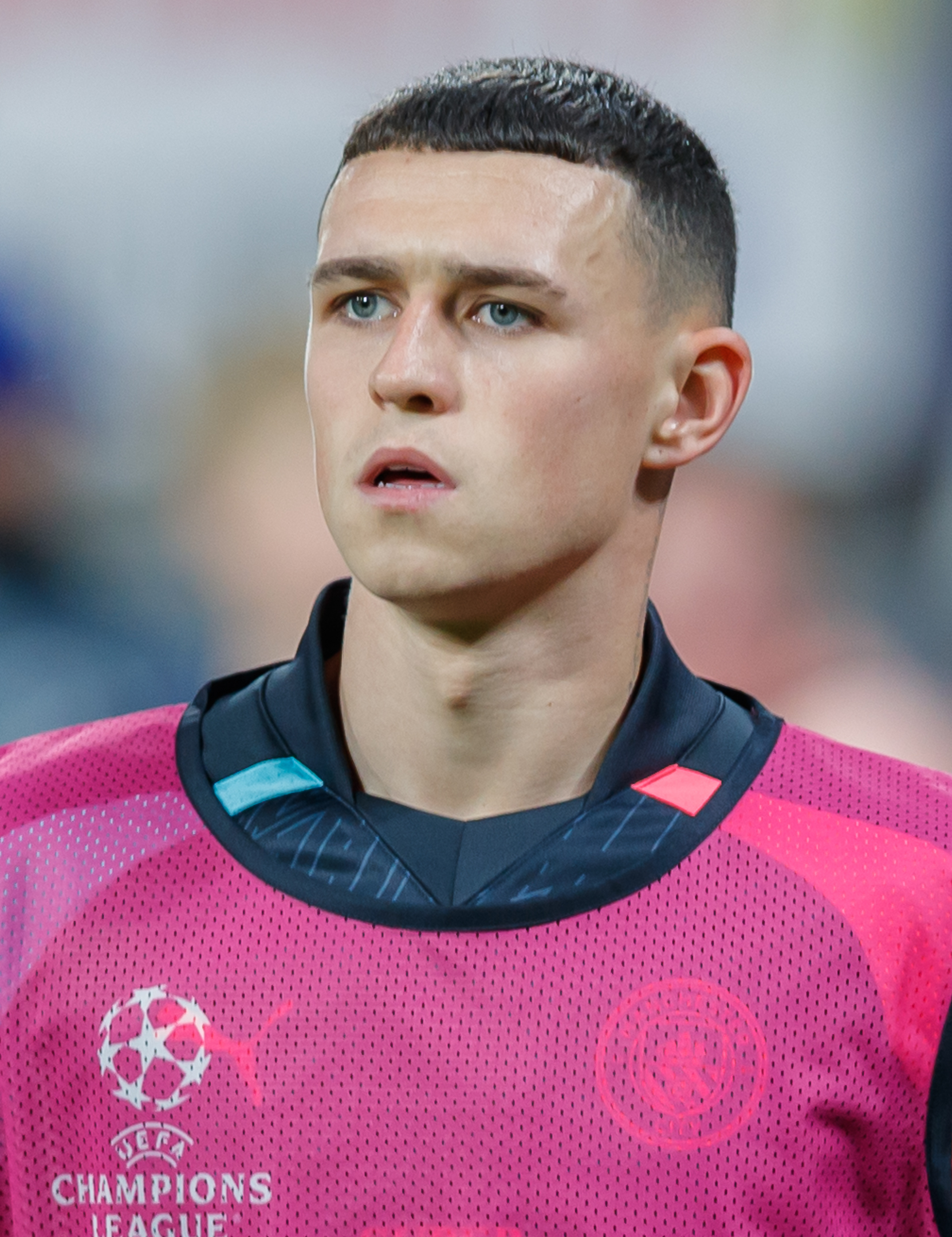
Photo: Steffen Prößdorf / Wikimedia Commons / CC BY-SA 4.0

During the March 2026 international break, a visible flaw appeared on the pitch. Photographs of Phil Foden and Kylian Mbappé showed a distinct bulge or ripple along the shoulder seam of their new Nike World Cup kits. It was not just a one-off.
Nike confirmed the issue. Their statement acknowledged that “performance is unaffected, but the overall aesthetic is not where it needs to be.” This is a manufacturing defect, not a design flaw. The seam itself is structurally sound, but the finishing presents poorly. Fans noticed immediately. Social media filled with close-ups, and reports surfaced of buyers seeking returns or exchanges. Some supporters, frustrated by quality control, even looked towards the counterfeit market.
This incident has a recent precedent. In early 2024, Nike’s new MLB “Vapor Premier” uniforms, produced by Fanatics, were criticized for becoming overly transparent with sweat. The 2026 shoulder seam issue is different but follows a pattern of Nike kit launches facing scrutiny over garment construction. When you invest in an Authentic version, you are paying for perfect aesthetics. This defect undermines that.
What should you do? If you buy a 2026 jersey, inspect the shoulder seams as soon as you unbox it. Hold it up to the light and look for any uneven puckering or raised fabric along the seam line. If you see it, your options are a return or an exchange. Retailers are aware of the problem.
From Pitch to Stands: Pricing and Versions

Photo: Gary Halvorson, Oregon State Archives / Wikimedia Commons / CC BY 4.0

Not all jerseys are the same. Nike produces different tiers for different wallets and purposes. The pricing reflects the intended user.
The Authentic Match jersey is the one the players wear. It uses the exact same Aero-FIT fabric, has a more athletic cut, and often features heat-applied badges and details. For the USMNT/USWNT, this tier costs approximately $170.00. The Stadium Replica is the fan version. It is made from a different, often less technical fabric, has a looser “regular” fit, and usually has stitched-on emblems. These cost between $95.00 and $105.00. Youth Replicas run $75.00 to $85.00.
For comparison, England’s 2026 Stadium shirt retails at £89.99 (about €107), with their Match shirt at £134.99 (about €161). The US pricing is in line with other major federations for a premium tournament.
| Jersey Tier | Price (US) | Price (UK – England) | Best For |
|---|---|---|---|
| Authentic Match | ~$170.00 | £134.99 (~€161) | Collectors, those wanting exact player spec & fit. |
| Stadium Replica | $95.00 – $105.00 | £89.99 (~€107) | Most fans; comfortable, durable, game-day wear. |
| Youth Replica | $75.00 – $85.00 | N/A | Younger fans; scaled-down version of the replica. |
Demand is extreme. The initial batch of USMNT jerseys sold out within 48 hours of the official rollout in March. This is a combination of home-tournament hype, the novel designs, and the standard kit-release frenzy. If you want one, be ready to buy quickly or wait for a restock. This consumer craze is a key part of the 2026 World Cup USA jersey fan craze analysis.
Player Involvement: How the Kits Were Designed

Photo: MEDM / Wikimedia Commons / CC BY-SA 3.0

This was not a designer in a studio handing down a template. USMNT players were partners. Weston McKennie, Tyler Adams, and Tim Weah, among others, were consulted repeatedly over two years.
The feedback was granular. They talked about fabric weight, how heavy the material feels when soaked with sweat. They discussed seam placement, where a stitch line could rub or restrict during a full sprint or a reaching tackle. Mobility was a constant theme. The goal was to avoid the past complaints players have had about kits feeling like they were designed without the athlete in mind. This collaborative approach is as strategic as choosing a 3-5-2 formation for its balance; it’s about optimizing tools for performance.
The request for two distinct kits, the loud “Stripes” and the casual “Stars”, came directly from this player group. They understood the dual role of a modern kit: a performance tool and a cultural icon. This level of involvement is somewhat unprecedented for a national team and reflects the growing influence of players in off-pitch matters. Their input ensures the kit supports the physical demands highlighted in any serious soccer workout plan.
I prefer the subtle “Stars” away kit. Not because it’s less American, but because the design works off the pitch. The “Stripes” kit is for the stadium; the “Stars” kit is for the pub afterward. That duality is what the players fought for, and it’s what makes this release interesting.
Frequently Asked Questions
What is the defect on the 2026 World Cup jerseys?
visible bulge or ripple along the shoulder seam has been confirmed by Nike as a manufacturing flaw. It was seen on players during the March 2026 international break. Nike states performance is not affected, but the appearance is substandard.
How much does the 2026 USA jersey cost?
The Authentic Match player version is around $170. The Stadium Replica for fans is between $95 and $105. Youth replicas cost $75 to $85. England’s comparable Stadium shirt is £89.99.
What is the Aero-FIT technology?
It is Nike’s fabric for the 2026 kits, made from 100% recycled textiles. It offers 238% more breathability than 2024 kits and wicks moisture 55% faster than 2022 models.
Did USMNT players help design the kits?
Yes. Players including McKennie, Adams, and Weah were consulted over two years. They gave feedback on fabric weight, seam placement, fit, and the desire for two distinct kit personalities.
When did the 2026 jerseys go on sale and did they sell out?
The USMNT kits were unveiled and went on sale in mid-March 2026. The initial batch sold out within 48 hours due to high demand for the home tournament kits.
Before You Go
The 2026 USA World Cup jersey story is a split screen. On one side, you have a technical masterpiece born from deep player collaboration and sustainable innovation. The Aero-FIT fabric’s numbers are real, and the dual-design philosophy is a direct win for the team. On the other side, the shoulder seam defect is a tangible quality control failure that has marred the launch for many fans.
Your buying decision hinges on what you value. If you want the cutting-edge tech and the exact player spec, buy the Authentic version but inspect the seams upon arrival. If you want the design for casual support, the Stadium Replica is the pragmatic choice. Remember the sales velocity. These kits, like the actions of the most valuable MLS players, move quickly in the marketplace.
Look past the stripes and stars. You are buying a piece of a two-and-a-half year conversation between athletes and designers, wrapped in a fabric that represents where sportswear is going, delivered with a flaw that shows where manufacturing sometimes stumbles. That is the complete picture.
I come from the “soccer heart” of Germany, the Ruhrpott. I have played, trained and followed soccer all my life and am a big fan of FC Schalke 04. I also enjoy following international soccer extensively.