How to Dribble Like Messi Using His 2 Signature Techniques
To dribble like Messi, master his two signature techniques: the inside-outside touch for sharp directional changes and a deliberate slow-to-fast rhythm. Execute these with close control, reading defenders’ hips, and explosive bursts. This efficient, economical style prioritizes control over flair to beat opponents.
To dribble like Messi, you must master two core techniques: the inside-outside touch for sudden changes of direction and the deliberate slow-to-fast rhythm to manipulate defenders. These are not tricks. They are fundamental skills executed with elite-level timing, close control, and a specific mental process that prioritizes efficiency over flair. This is a technical breakdown of the physical and cognitive mechanics.
Most players get this wrong from the start. They chase flashy step-overs and try to dribble at full speed all the time. That’s the opposite of Messi’s game. His genius is in the economy of movement, the small, rapid touches that keep the ball glued while he reads the defender’s hips, and the hypnotic change of pace that turns a controlled walk into an unstoppable burst.
This guide breaks down the two signature techniques, the exact drills to program them into your muscle memory, and the mental framework that turns isolated skill into game-breaking dominance. We’ll cover the equipment that matters, the common failures, and how to build from a cone drill to beating a live defender.
Key Takeaways
- Messi’s inside-outside touch is a single-foot, two-touch move that changes direction within a defender’s reaction window. The first touch (inside) is the bait; the second (outside) is the escape.
- The slow-to-fast rhythm is his primary weapon, not speed alone. Dribbling slowly draws defenders in and commits their weight, creating the space for an explosive first step to bypass them.
- Close control is non-negotiable. Scientific analysis shows Messi takes 6-7 touches in two seconds, compared to an average player’s 4. This requires a low center of gravity and bent knees.
- Your head must be up. Dribbling like Messi is 50% technique, 50% decision-making. You scan the field during the “slow” phase to identify the pass, shot, or dribble before you execute the “fast” phase.
- Practice with intent. Isolated cone weaves build touch, but you must graduate to drills with passive and then active pressure to simulate the chaos of a match.
The Two Messi Signatures You Must Master
Forget the YouTube compilations of him weaving through entire teams. Those are the product, not the process. The process is built on two repeatable, trainable techniques. If you only work on these, you’ll outgrow 90% of defenders in your league.
The inside-outside touch is a micro-direction change executed with one foot. Using the inside blade pushes the ball laterally as a feint; the immediate follow-up with the outside blade of the same foot redirects the ball opposite, bypassing a defender’s lunging foot. The entire sequence happens within a 60-centimeter space.
The inside-outside touch is his most famous weapon. It looks simple. It’s brutally hard to do at pace. The move uses one foot to make two touches in rapid succession: first the inside, then the outside. The inside touch is the deception. It sells the defender on a move to your left, for example. As their hip opens and their weight shifts, the outside touch pokes the ball back to your right, through the space they just vacated.
The physics are straightforward. A defender’s reaction time to a visual stimulus is roughly 0.2 seconds. A well-drilled inside-outside touch, from first touch to second, should be faster than that. You’re not outrunning their brain. You’re acting within the gap between their perception and their physical response.
The slow-to-fast rhythm is the engine. Watch any Messi dribble. He rarely sprints onto the ball. He receives it, often slows down, and takes small, probing touches. He’s pulling the defender in, like a fisherman playing a line. The defender adjusts his stance, settles into a rhythm. Then, bang. A body feint coupled with an explosive three-step acceleration. The defender, now moving in the wrong direction, can’t recover.
This isn’t just about fitness. It’s about patience and cognitive load. The “slow” phase is when Messi is scanning. He’s checking the goalkeeper’s position, seeing the run of a teammate, measuring the angle of the recovering defender. The “fast” phase is the predetermined conclusion. He’s not deciding to go; he’s executing the decision he already made.
Building the Foundation: Close Control and Body Position
You cannot execute the signatures without a foundation. This is where most training articles nod at “ball control” and move on. We won’t. The foundation is a specific posture and touch frequency.
Get low. I mean, embarrassingly low. Knees bent, back straight, chest over the ball. If you’re standing upright, your touches are long and your center of gravity is high. A simple shoulder push from a defender knocks you off balance. A low stance shrinks your base, lowers your center of mass, and lets you push off the ground with power for that explosive first step. It’s the posture for both protection and propulsion.
Close control means the ball is never more than a step away from your foot. Practice this by dribbling in a 5×5 meter square. Your goal is to never let the ball touch a line. Use all parts of both feet: inside, outside, laces, sole. The sound should be a rapid tap-tap-tap, not a thump… thump… thump.
Common mistake: Dribbling with a straight-legged, upright posture, your touch distance stretches to 3-4 feet, a defender can easily intercept, and you’ll need two full strides to recover the ball. You’re beaten before the move starts.
This is where dedicated tools pay off. Using a soccer rebounder training wall forces you to control unpredictable returns, sharpening first-touch mastery. Incorporating agility ladder drills programs your feet to move quickly in tight spaces, which directly translates to faster micro-touches on the ball.
TL;DR: Knees bent, back straight, ball within one step. Train in confined spaces to enforce short, rapid touches. This posture enables everything that follows.
The Drill Progression: From Cone Isolation to Game Pressure
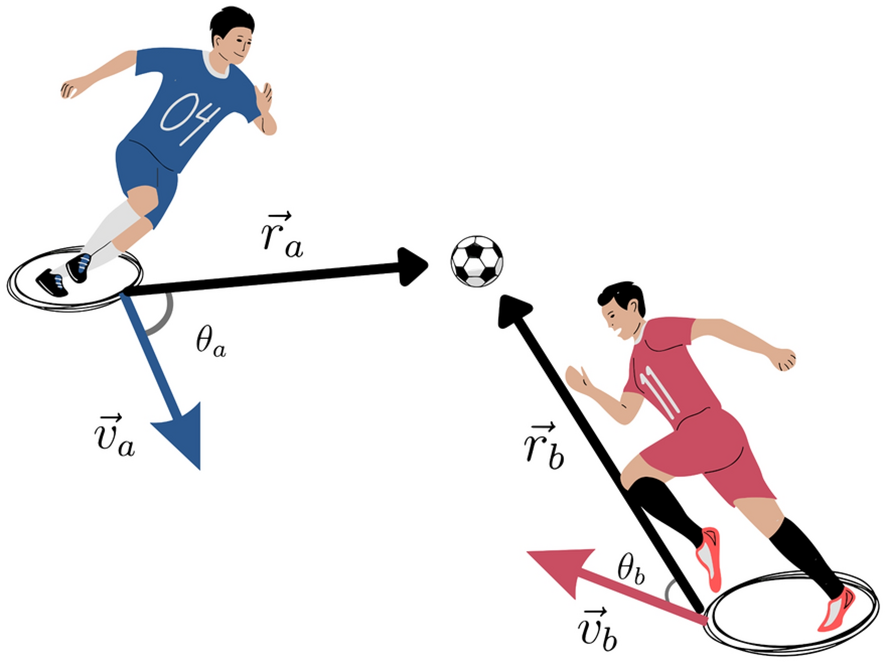
Drills without progression are just busywork. You must overload the skill, then add complexity, then add pressure. This table maps the journey for the inside-outside touch.
| Drill Stage | Focus | Setup | Key Coaching Point |
|---|---|---|---|
| Isolation | Muscle memory of the touch pattern. | Stationary ball, no movement. | Touch with the inside, then outside, of the same foot. Keep the ball still. |
| Linear | Adding forward momentum. | Dribble in a straight line, performing the move every 3 steps. | The ball should zig-zag slightly down the field. Maintain speed. |
| Directional | Beating a passive obstacle. | Dribble at a cone, perform the move to change direction around it. | Execute the move 1-2 steps before the cone, not at it. |
| Pressure | Applying the skill under duress. | Partner applies light, passive pressure in a 10×10 grid. | Use your body to shield the ball before executing the move. |
Start with the isolation drill until the motion feels fluid, not forced. The linear drill teaches you to integrate the move into your running gait. The directional drill introduces the cognitive element of timing, when to trigger the move. The pressure drill is where it becomes football.
For the slow-to-fast rhythm, set up a simple gate drill. Place two cones 5 yards apart. Dribble slowly from cone A to cone B. At cone B, perform a sharp body feint (a drop of the shoulder) and explode with three maximum-effort touches to a cone C placed 10 yards away. Walk back. Repeat. The walk back is part of the drill. It reinforces the reset, the “slow” phase.
Your soccer workout plan should include exercises for explosive power, plyometrics like box jumps or lateral bounds. That first-step acceleration is a muscular skill. You also can’t fuel high-intensity drills on junk. A proper soccer player diet with fast-acting carbs before training ensures your nervous system fires at full capacity.
The Mental Game: Scanning, Deciding, and Exploiting
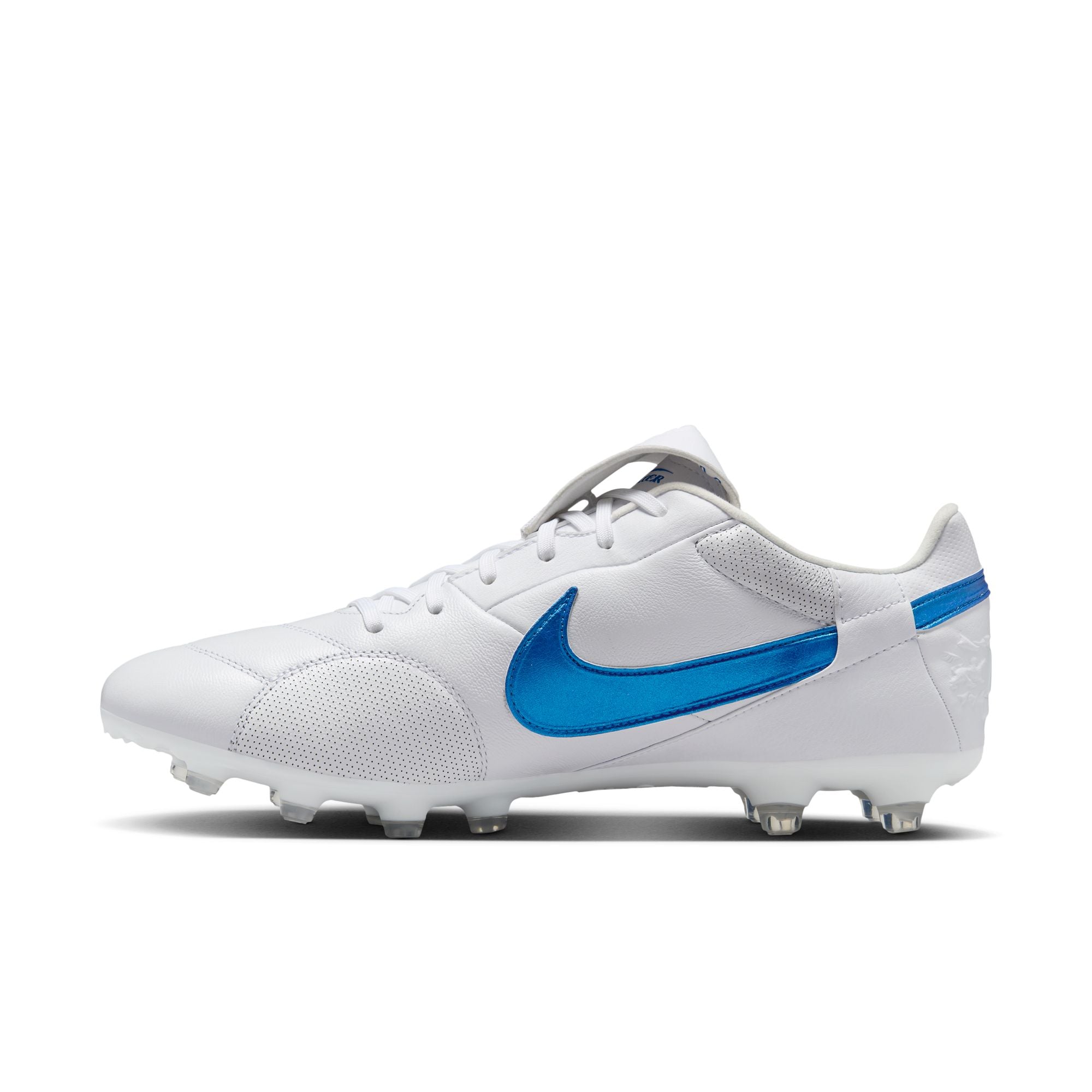
Technique is worthless without decision-making. Messi’s head is on a swivel. He scans the field during his “slow” phases. This is a trainable habit.
During any cone drill, assign yourself visual cues. Place a different colored cone or a water bottle 10 yards away. Every third touch, you must look up and call out its color. This breaks the habit of staring at the ball. It feels awkward at first. Your touch will suffer. That’s the point. You’re building a new neural pathway.
The decision tree in a dribble is simple but must be processed instantly:
1. Is there space ahead to drive into? If yes, accelerate (fast phase).
2. Is a defender closing that space? If yes, can I beat them 1v1 with a signature move here?
3. If not, is there a passing option? If yes, release the ball.
4. If not, can I shield and retain possession?
Messi’s brilliance is in almost always choosing the optimal option at high speed. He understands principles of play like creating numerical advantages. His dribble is often the trigger that disrupts a defensive shape, creating the passing lane he already identified.
I used to dribble with my head down, convinced my technique would save me. In a youth tournament final, I beat two men with a slick move only to look up and realize I’d dribbled straight into a third defender and out of bounds. We lost possession, they countered, and scored. The coach didn’t say a word about my feet. He just tapped his temple. I never made that mistake again.
This mental layer is what separates a skilled player from an effective one. Drills must graduate to small-sided games (2v2, 3v3) where the options are real and the consequences immediate.
Equipment and Environment: Small Details, Big Impact
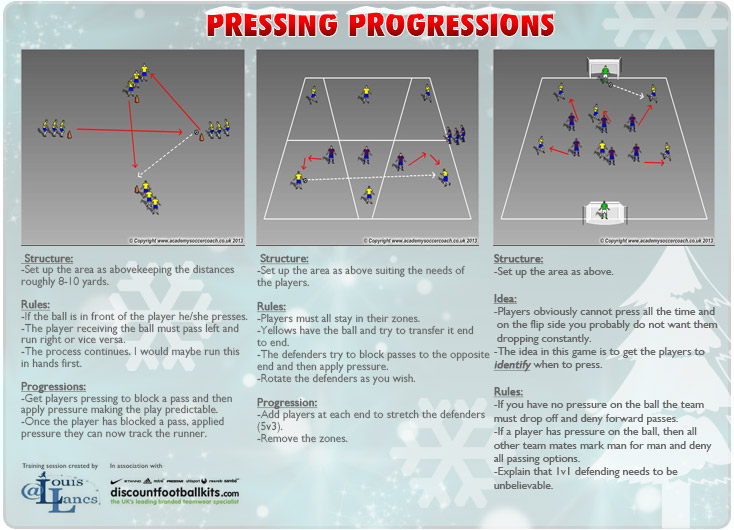
Your tools affect your feel. This isn’t about buying magic boots. It’s about removing variables that hinder learning.
Wear proper soccer cleats. The stud configuration (FG for firm ground, AG for artificial turf) provides the traction needed for sharp cuts. Slipping during an inside-outside touch destroys confidence. Also, secure your soccer shin guards properly. A loose guard shifting mid-drill is a distracting annoyance you don’t need.
The ball matters. Use a regulation size 5 ball with proper inflation. A flat, heavy ball won’t respond to light touches. A rock-hard, over-inflated ball will ping too far away. You’re training neuromuscular precision. Consistency in your equipment is key.
Practice on a surface that allows the ball to roll true. A badly rutted, bumpy field introduces luck into your close control drill. Find a flat patch of grass or artificial turf. The more consistent the environment, the faster your technique will solidify.
TL;DR: Good cleats for grip, a proper ball for response, a flat surface for consistency. Don’t let bad gear be the excuse for a failed repetition.
Integrating the Skills: From Practice to Match Day
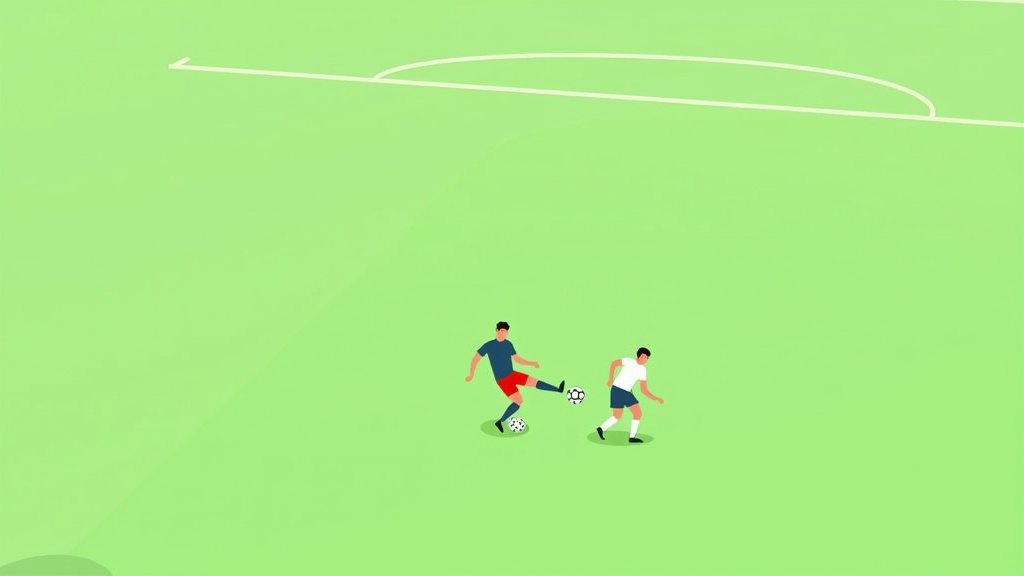
The final step is the hardest. Bridging the gap between the training ground and the white lines of a match. You must give yourself permission to fail.
In your next match, set one simple objective: Attempt one deliberate Messi-style dribble in the attacking third. Don’t wait for the perfect moment. Look for a 1v1 situation near the wing or just outside the box. Slow down. Invite the pressure. Try to use the inside-outside touch or a change of pace. If you lose the ball, track back immediately. The objective is the attempt, not the success.
Common mistake: Trying your new skill in your own defensive penalty area, the risk/reward is catastrophic. Lose the ball there, and it’s likely a goal. Confine your experiments to the opponent’s half, where a turnover is less dangerous.
As you get comfortable, start linking the dribble to an end product. This is the final piece of Messi’s puzzle. He doesn’t dribble for the sake of it. The dribble creates the shot or the key pass. After you beat your man, your very next action should be a shot, a cross, or a through pass. Practice this in drill form by setting up a goal or a target player after your dribbling cone.
Develop other weapons in your arsenal so the dribble isn’t predictable. Being a threat to shoot with power forces defenders to close you down, which opens dribbling lanes. Knowing a flashy soccer skill like the rainbow can be a useful surprise, but it’s the garnish, not the main course.
The ultimate sign you’re getting it? Defenders start backing off. They’re afraid to commit because they don’t know if you’ll go slow, fast, left, or right. You’ve taken control of the duel without even touching the ball. That’s the essence of Messi’s dribbling style.
Frequently Asked Questions
What is the most important part of dribbling like Messi?
The change of pace. The ability to decelerate, force the defender to adjust their speed, and then explode past them is more valuable than any specific foot skill. All the close control and feints are designed to set up that moment of acceleration.
How can I practice keeping my head up while dribbling?
Use the “color calling” drill with cones. More advanced: dribble through a set of cones while a partner stands off to the side holding up a random number of fingers. You must look up, call out the number, and continue. Start with simple patterns and increase the complexity.
I’m not fast. Can I still dribble like Messi?
Yes. Messi’s top speed is high, but it’s his acceleration over the first 5-10 yards that beats defenders. This is more about power and technique than sustained speed. Plyometric training and perfecting your explosive first step from a low stance can compensate for a lack of blazing long-speed.
How often should I practice these drills?
Aim for 3-4 focused sessions per week, 20-30 minutes dedicated solely to dribbling technique. Consistency beats marathon sessions. It’s better to do 20 minutes of high-quality, focused reps every other day than a two-hour slog once a week where your form deteriorates.
What’s a good age to start learning this?
The concepts can be introduced as soon as a player has basic ball control, often around age 8-10. The drills should be scaled, smaller spaces, lighter balls (size 3 or 4), and a focus on fun and experimentation rather than rigid technical perfection.
Before You Go
Dribbling like Messi is not an unattainable magic. It’s the product of mastering two core techniques, the inside-outside touch and the slow-to-fast rhythm, through deliberate, progressive practice. It starts with the unsexy foundation: a low center of gravity and touches so close the ball seems tied to your foot. You then layer on the mental software of scanning and decision-making, turning isolated skill into intelligent action.
Commit to the drill progression. Start in isolation, add movement, then direction, then finally pressure. Give yourself the right tools, proper cleats, a good ball, a flat surface, and the right fuel through performance nutrition. Most importantly, grant yourself the license to try and fail in low-risk areas of the pitch during real games. The first few times you get it wrong, you’ll learn more than from a hundred perfect cone drills. The goal isn’t to become Lionel Messi. It’s to borrow his two best weapons and make them your own.
I come from the “soccer heart” of Germany, the Ruhrpott. I have played, trained and followed soccer all my life and am a big fan of FC Schalke 04. I also enjoy following international soccer extensively.