FA Cup vs League Cup Differences: The Real Rules You Need
The FA Cup is the Football Association Challenge Cup, the oldest national knockout tournament in world football, open to all clubs. The League Cup, officially the EFL Cup, is a secondary domestic competition for the 92 professional clubs in England’s top four tiers, with a different format, prize money, and European qualification pathway.
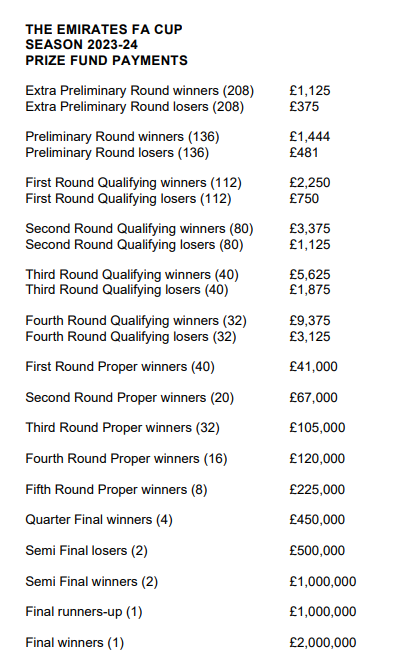
Most fans think the difference is just prestige. It’s not. The real gap is in the money and the European ticket. The FA Cup winner gets £1.8 million and a Europa League spot. The League Cup winner gets £100,000 and a Conference League spot. That £1.7 million difference dictates how clubs treat each tournament.
This guide breaks down the six concrete differences that decide which trophy a club will chase and which one it will bench its stars for. You’ll learn why the League Cup started, who can enter, where the money goes, and what each win actually buys you.
Key Takeaways
- The FA Cup started in 1871; the League Cup launched in 1960 to create midweek fixtures and assert Football League power.
- The FA Cup includes over 700 clubs from any level, amateur to professional. The League Cup is restricted to the 92 clubs in the Premier League, Championship, League One, and League Two.
- The FA Cup winner qualifies for the UEFA Europa League. The League Cup winner qualifies for the UEFA Conference League.
- Winning the FA Cup brings £1.8 million in prize money. Winning the League Cup brings £100,000.
- Top clubs often use League Cup early rounds to play youth squads and reserve players, treating it as a development tournament. They field first teams in the FA Cup from the third round onward.
- Both finals are played at Wembley Stadium, but the League Cup semi-finals are two-legged home-and-away ties, while the FA Cup semi-finals are single games at Wembley.
The History Split: 1871 vs. 1960
The FA Cup was born because the Football Association wanted a national competition. They launched it in 1871, and it became the first knockout tournament anywhere. It’s the blueprint.
The League Cup arrived almost ninety years later. The Football League created it in 1960 for two reasons. First, floodlit stadiums were becoming common, so midweek evening games were possible. Second, the League wanted its own trophy to counter the FA’s influence. The first sponsor was the Milk Marketing Board, so it was called the Milk Cup. It’s been the Coca-Cola Cup, the Capital One Cup, and now the Carabao Cup. That sponsor rotation hurts. Fans never build a consistent identity with it.
The League Cup’s founding purpose was to leverage new floodlit stadiums for midweek fixtures and give the Football League a trophy separate from the FA’s control. It was a power move, not a tradition.
The name changes matter. You don’t hear “the Carabao Cup” with the same weight as “the FA Cup.” That’s not just nostalgia. It’s branding. The League Cup feels like a corporate event. The FA Cup feels like history.
TL;DR: The FA Cup is the original. The League Cup is a 1960s creation for midweek games and league authority, wrapped in ever-changing sponsor names.
Who Actually Gets to Play?
The FA Cup opens its doors. Any club affiliated with the Football Association can enter. That means over 700 teams, from the Premier League giants down to village amateur sides. The first round includes teams from Level 5 and below—the National League and lower. This is why you get giant-killings. A semi-pro club can beat a Championship side on a muddy Tuesday night.
The League Cup locks the door. Only the 92 professional clubs in the Premier League, Championship, League One, and League Two get invites. No amateur teams. No non-league sides. The competition starts with these 92 clubs split into northern and southern sections for the first two rounds to reduce travel. Premier League clubs not in European competitions enter in Round Two. Those in Europe enter in Round Three. Everyone else starts in Round One.
Common mistake: Thinking a League Two club can enter the FA Cup in the third round — they start in the first round, three months before the big clubs join.
The difference in entry creates different drama. The FA Cup’s magic is the possibility of a tiny club reaching the third round and drawing Manchester United at Old Trafford. The League Cup’s drama is more confined—a Championship club beating a Premier League side is a big story, but it’s still professional vs. professional.
This eligibility rule directly shapes the English football pyramid. A club’s place in the structure decides which cups it can fight for.
How the Knockout Formats Actually Differ
Both are knockout tournaments. The mechanics are not the same.
The FA Cup is pure single-game knockout from the extra preliminary round to the final. Every tie is one match. If it’s a draw, they replay it. Replays were mostly scrapped from the fifth round onward a few years ago, but early rounds still have them. The semi-finals and final are played at Wembley Stadium.
The League Cup also uses single-game knockout ties for most rounds. Except the semi-finals. Those are two-legged, home and away. This is a legacy of the competition’s original design to fill midweek schedules. The final is at Wembley, always on a Sunday.
The two-legged semi-final changes the tactical approach. A club can lose the first leg 2-0 at home and still turn it around away. It adds a second variable—the away goals rule used to be decisive here, but UEFA abolished it for all competitions in 2021. Now it’s just aggregate score. The League Cup kept the two-leg format even after the away goals rule ended.
| Format Element | FA Cup | League Cup (EFL Cup) |
|---|---|---|
| Entry Point for Top Clubs | Third Round | Round Two (non-European PL teams) or Round Three (European PL teams) |
| Semi-Final Format | Single match at Wembley | Two-legged home-and-away ties |
| Final Venue | Wembley Stadium | Wembley Stadium |
| Replays | Yes, in early rounds | No |
| Draw Structure | No seeding, random draw | North/South split in Rounds 1 & 2, then random |
The random draw in both competitions means no brackets. You can’t predict your path. That’s part of the chaos.
TL;DR: FA Cup: one-game ties, replays early, semis at Wembley. League Cup: one-game ties except two-legged semis, no replays, final at Wembley.
The Prize Money Gap That Changes Everything

Here’s the number that explains everything: £1.7 million. The FA Cup winner gets £1.8 million. The League Cup winner gets £100,000. That’s not a small difference. It’s a canyon.
For a Premier League club, a single higher league position is worth about £2 million more in prize money. Winning the League Cup pays less than moving up one spot in the table. Winning the FA Cup pays almost the same as that league jump. This math dictates priority.
The £100,000 prize for winning the League Cup is less than the travel and accommodation costs for some clubs’ away legs in the semi-finals. It’s a trophy that often costs money to pursue.
The prize money shapes club strategy from August. A top-six Premier League side will use the League Cup’s early rounds to play its U-23 squad and a few senior reserves. The manager rests the first team. The FA Cup third round, when big clubs enter, gets the starters. Why? The FA Cup’s financial reward and European qualification are worth the risk.
For a Championship club fighting for promotion to the Premier League, the League Cup can be a distraction. The prize doesn’t cover the cost of a deep run. But the glory of a Wembley final can boost morale. It’s a trade-off.
The FA Cup’s £1.8 million is a lifeline for a lower-league club. It can fund next season’s squad. The League Cup’s £100,000 might just cover the bonus payments to players.
How Does European Qualification Work?
Winning either cup gets you into Europe. But not the same Europe.
The FA Cup winner qualifies for the UEFA Europa League group stage. If the winner already has a Champions League spot (like Manchester City in 2026), the Europa League place goes to the next highest-placed Premier League team not already qualified. That’s usually the seventh-place finisher.
The League Cup winner qualifies for the UEFA Conference League. If the winner is already in Europe, the Conference League spot also goes down the Premier League table. Since 2021, this has been the route.
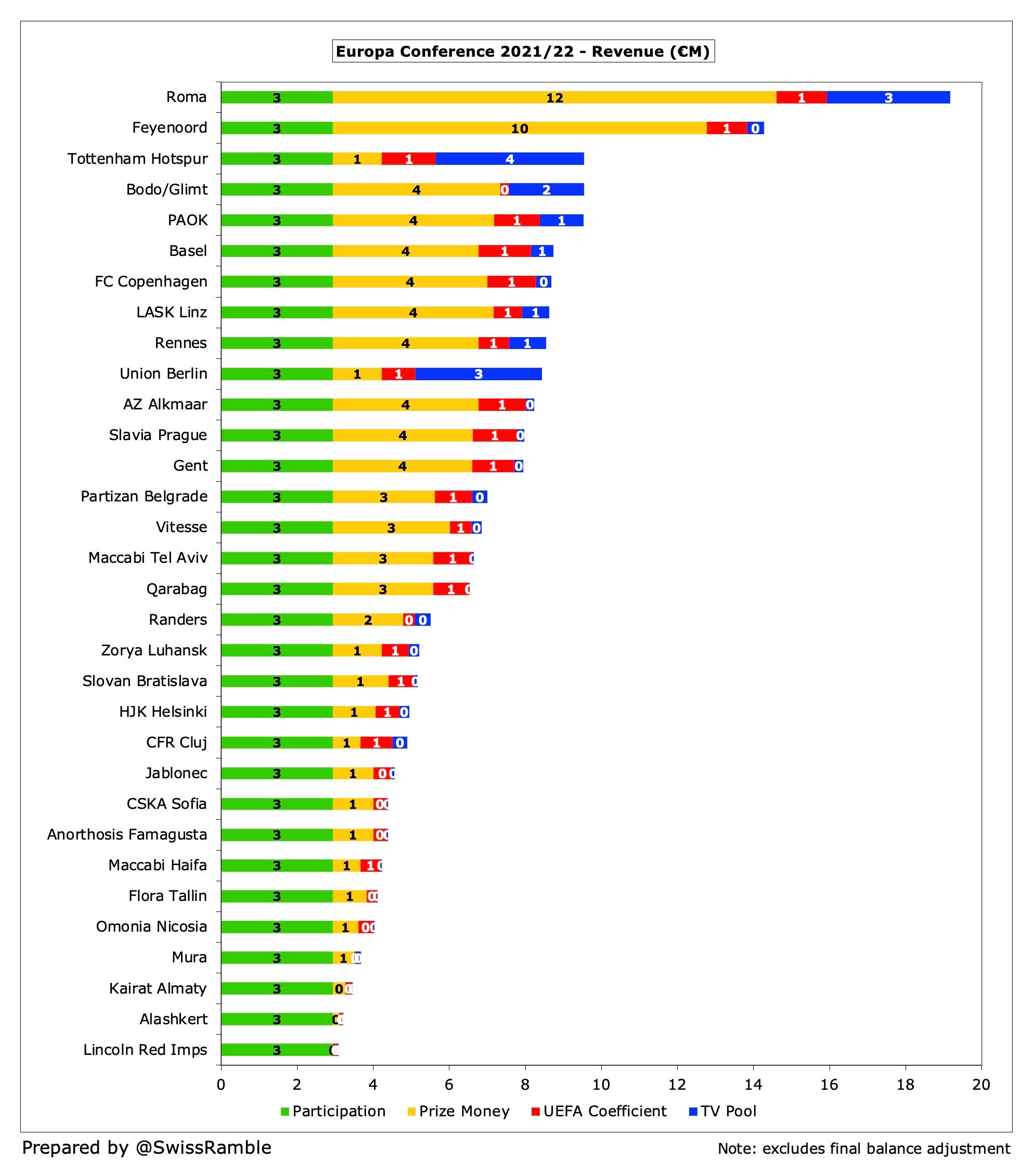
The Europa League is the second-tier UEFA competition. The Conference League is the third-tier. The financial gap between them is another canyon. Europa League group stage participation guarantees around €3-4 million. Conference League guarantees about €1-2 million. The difference in prestige is even wider.
This difference directly affects a club’s summer planning. Winning the FA Cup means you’re likely shopping for players who can handle Thursday-Sunday schedules against Sevilla or Roma. Winning the League Cup means you’re preparing for trips to smaller European cities, with less TV revenue.
For a club like Chelsea or Tottenham, the Europa League spot is a consolation. The Conference League spot is an embarrassment. They’ll field weakened teams in the League Cup to avoid winning it and getting that third-tier ticket.
Which Clubs Actually Care, and Why

Liverpool has won the League Cup ten times. They care. Manchester City won it in 2026 as part of a domestic double. They care when it’s there. But their first-team players didn’t start until the quarter-finals.
The affection is uneven. The FA Cup strikes a chord with fans because of its history and the possibility of a non-league club reaching the third round. The League Cup doesn’t have that myth. Its magic is for the smaller professional clubs in the Championship and League One. A trip to Wembley for them is a lifetime event. The prize money is secondary.
Common mistake: Assuming a Premier League club’s “cup run” means equal effort in both tournaments — they almost always prioritize the FA Cup after Christmas and use the League Cup as a youth tournament until the semi-finals.
Top clubs treat the League Cup as a development competition. It’s where the 19-year-old midfielder gets his first senior start. It’s where the backup goalkeeper plays. The FA Cup gets the full squad from the third round onward because the financial and European rewards justify the risk of fatigue.
For a club in a relegation battle, the League Cup is a dangerous distraction. Three extra midweek games in September and October can sap energy needed for league survival. The manager often fields a weakened team and hopes for an early exit. The consequences of relegation are too severe to risk.
The fan experience differs too. League Cup tickets are cheaper. Away allocations are bigger. You can see a top club at your ground for a fraction of a Premier League ticket price. The atmosphere is often better because it’s a one-off cup night.
What About Other League Cups Around the World?
England’s League Cup is not unique. Scotland has the Scottish League Cup, the first national tournament to use the name. Mexico and the United States run the Leagues Cup, an inter-league competition between MLS and Liga MX clubs. But the global norm is a single domestic cup open to all levels, like the FA Cup.
Most countries don’t have a secondary league-only cup. Spain’s Copa del Rey is open to all. Germany’s DFB-Pokal is open to all. Italy’s Coppa Italia is open to all. The league cup model is an English (and Scottish) invention.
The Leagues Cup is a different beast. It includes all MLS and Liga MX clubs, has a group stage, and its top three finishers qualify for the CONCACAF Champions Cup. It’s a hybrid between a league cup and a continental qualifier.
Understanding these variations helps contextualize the global league structures. Most federations run one open cup and a league championship. England runs two cups plus the league—a heavier calendar.
| Competition | Country/Region | Eligibility | European/Continental Qualification |
|---|---|---|---|
| FA Cup | England | All FA-affiliated clubs (over 700) | UEFA Europa League (winner) |
| EFL Cup (League Cup) | England | 92 professional clubs (Premier League to League Two) | UEFA Conference League (winner) |
| Scottish League Cup | Scotland | Scottish Professional Football League clubs | None (domestic trophy only) |
| Leagues Cup | USA & Mexico | All MLS and Liga MX clubs | CONCACAF Champions Cup (top 3) |
| DFB-Pokal | Germany | All DFB-affiliated clubs | UEFA Europa League (winner) |
The takeaway is simple. If you’re comparing UEFA competitions, the FA Cup feeds the Europa League, the League Cup feeds the Conference League. That’s the hierarchy.
Frequently Asked Questions
Which is older, the FA Cup or the League Cup?
The FA Cup is older. It started in 1871. The League Cup started in 1960.
Can amateur clubs play in the League Cup?
No. The League Cup is only for the 92 professional clubs in the Premier League, Championship, League One, and League Two. Amateur clubs can only enter the FA Cup.
Do both cup winners qualify for the same European competition?
No. The FA Cup winner qualifies for the UEFA Europa League. The League Cup winner qualifies for the UEFA Conference League.
Why is the League Cup prize money so much lower?
The League Cup was designed as a secondary competition with smaller financial rewards to complement the league schedule. The FA Cup’s history and broader participation command higher commercial and broadcasting value, which translates into a larger prize fund.
Do big clubs play their best players in both cups?
Not equally. Top Premier League clubs typically use the League Cup’s early rounds for youth and reserve players, treating it as a development tournament. They usually field their first-team squad in the FA Cup from the third round onward because of its higher prestige and financial reward.
Before You Go
The difference isn’t just about history or prestige. It’s about money and opportunity. The FA Cup offers a life-changing financial boost and a Europa League spot to any club that wins it, from Manchester City to a semi-pro team. The League Cup offers a modest prize and a Conference League place, mainly serving as a development path for big clubs and a glory path for smaller professional sides.
Your club’s strategy in August depends on which trophy it’s chasing. If you’re fighting for a top-six Premier League finish, the League Cup is a sideshow. If you’re a Championship club dreaming of Wembley, it’s a target. And if you’re anywhere in the English league system, the FA Cup is the one that can rewrite your story.
Remember the numbers. £1.8 million vs. £100,000. Europa League vs. Conference League. That gap explains every lineup decision you’ll see from September to May.

I come from the “soccer heart” of Germany, the Ruhrpott. I have played, trained and followed soccer all my life and am a big fan of FC Schalke 04. I also enjoy following international soccer extensively.