MetLife Stadium World Cup Matches and Full Event Schedule
MetLife Stadium will host eight matches for the 2026 FIFA World Cup, including the final on July 19. The schedule runs from June 13 to July 19, with five group stage matches, two knockout games, and the tournament finale, all requiring a valid match ticket to access dedicated public transportation.
Most fans get the location wrong. They see “New York New Jersey” and assume the matches are in Manhattan. The stadium is in East Rutherford, New Jersey, about eight miles west of the city. That mistake costs people hours and hundreds on wrong hotel bookings. Your trip hinges on understanding the Meadowlands, not Midtown.
This guide covers the full match schedule, the critical transportation rules almost everyone misses, and how to plan around the two things that will sell out first: hotel rooms near the stadium and those special transit passes.
Key Takeaways
- The 2026 World Cup Final kicks off at MetLife Stadium on July 19 at 3:00 PM ET. It’s the only U.S. stadium hosting the final.
- You cannot buy a general NJ Transit ticket to get to a match. You need a special event pass, and you can only buy it with a valid FIFA match ticket confirmation.
- Book a hotel in the Meadowlands area if you want to walk or take a short shuttle. Book in New York City if you want the fan festival atmosphere and don’t mind a longer train ride.
- Only the five group stage matches have confirmed teams. The knockout stage fixtures on June 30 and July 5 depend on tournament results.
- The stadium’s official FIFA name is “New York New Jersey Stadium,” but all signage and local transit will use “MetLife Stadium.”
MetLife Stadium’s Role in the 2026 Tournament
This isn’t just another host venue. It’s the centerpiece. FIFA awarded the final to MetLife Stadium, making it the single most important piece of American football infrastructure for the tournament. The stadium’s 82,500-seat capacity, the largest among NFL venues in the U.S., was a decisive factor. Logistically, it means every system here gets the most stress test.
The stadium itself will undergo a temporary conversion. The NFL field markings and team logos will be covered by a temporary grass pitch laid over the usual artificial surface. This process takes about a week and has been rehearsed for previous international friendlies. The dimensions will conform to FIFA’s strict regulations for a regulation soccer pitch.
The temporary natural grass surface installed for the tournament must meet FIFA Quality Pro certification. It involves a modular tray system that is grown off-site, transported in, and interlocked over the existing artificial turf. The entire installation and removal window is 21 days, with the pitch remaining in place for the duration of the stadium’s eight-match schedule.
You’ll hear it called “New York New Jersey Stadium” in all official FIFA communications and graphics. Locals and every transit sign will still say MetLife. Don’t let the dual names confuse you. It’s the same place.
The Complete MetLife Stadium Match Schedule
The fixture list is locked. Times are Eastern Time. The five group games are set, but the two knockout matches depend entirely on which second and third-place teams advance.
| Date | Time (ET) | Stage | Matchup |
|---|---|---|---|
| June 13, 2026 | 6:00 PM | Group Stage | Brazil vs. Morocco (Group C) |
| June 16, 2026 | 3:00 PM | Group Stage | France vs. Senegal (Group I) |
| June 22, 2026 | 8:00 PM | Group Stage | Norway vs. Senegal (Group I) |
| June 25, 2026 | 4:00 PM | Group Stage | Ecuador vs. Germany (Group E) |
| June 27, 2026 | 5:00 PM | Group Stage | Panama vs. England (Group L) |
| June 30, 2026 | 5:00 PM | Round of 32 | TBD vs. TBD |
| July 5, 2026 | 4:00 PM | Round of 16 | TBD vs. TBD |
| July 19, 2026 | 3:00 PM | Final | TBD vs. TBD |
The group stage offers a fascinating mix of styles. Brazil’s flair against Morocco’s disciplined block. France’s technical prowess against Senegal’s physicality. Ecuador’s high press against Germany’s system. These are the matches where 2026 soccer legends will start to write their stories. The later group game between Norway and Senegal could be a direct decider for second place in Group I.
Then the tournament moves to single-elimination. The Round of 32 match on June 30 could feature any combination of teams that finish second in their groups. The Round of 16 on July 5 is where the real contenders emerge. By then, coaches are deep into their soccer tactics, making micro-adjustments that decide who advances.
TL;DR: MetLife hosts eight matches from June 13 to July 19, 2026. Five group games have set teams; the two knockout games and the final are TBD until the tournament plays out.
What If Your Team Makes the Knockout Rounds?
You cannot plan for it. If you buy a ticket for the June 30 Round of 32 or the July 5 Round of 16 match, you are buying a blind draw. The teams will be determined only a few days prior, based on results from other venues. This is the gamble of knockout stage tickets.
The final is different. It’s the destination. Demand for that July 19 ticket will be unlike anything the U.S. has seen for a football match. The stadium will have been converted for a month, the pitch will be settled, and the global audience will be watching. This is where matches that go into overtime become immortal. The potential for extra time and penalties adds a layer of tension that group stage games simply cannot match.
Getting to the Stadium: The Transportation Rule Everyone Misses
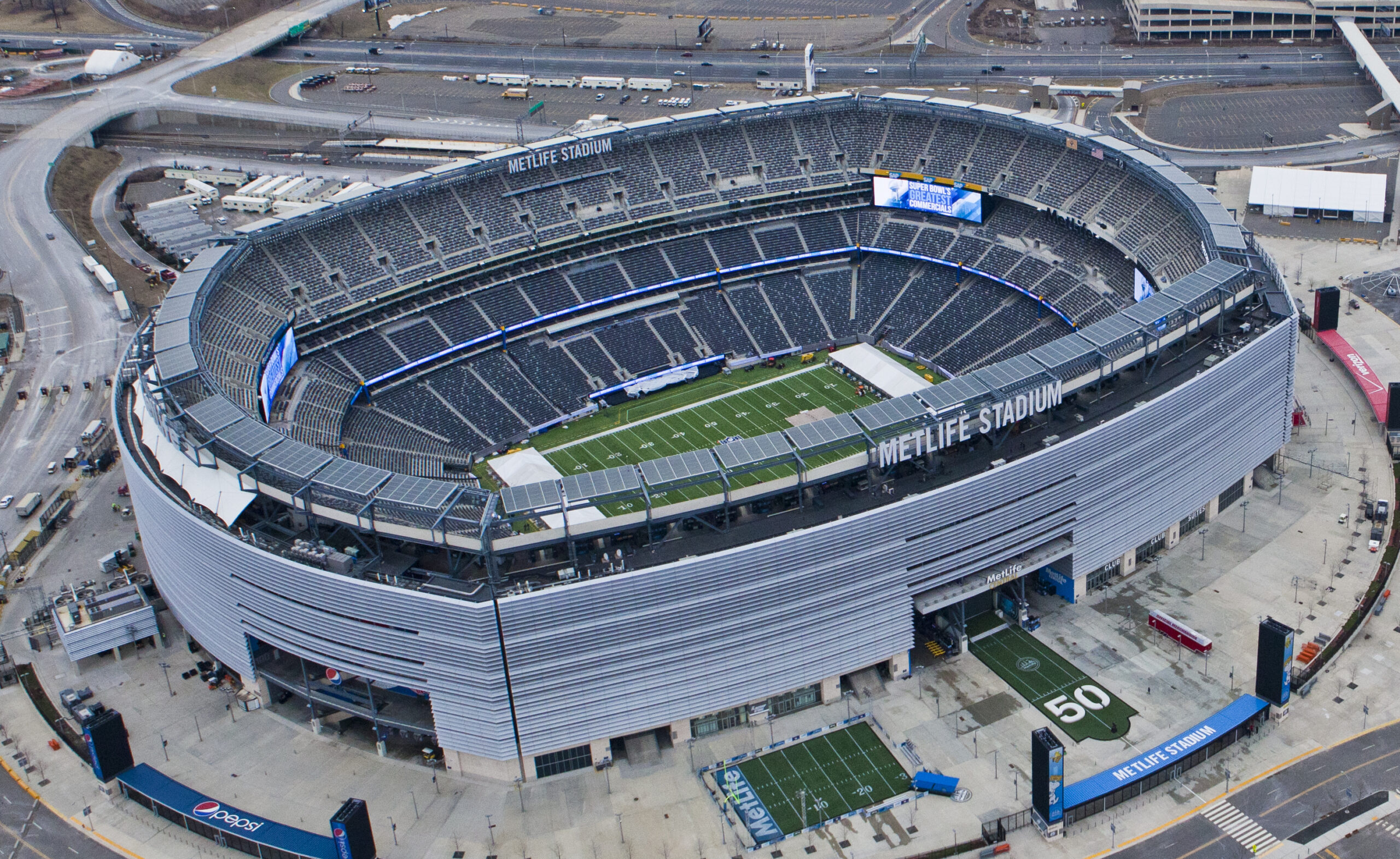
Photo: Anthony Quintano from Hillsborough, NJ, United States / Wikimedia Commons / CC BY 2.0
.jpg)
Forget driving. The official stance from the host committee and NJ Transit is simple: if you do not have a pre-purchased parking pass, which will be extremely limited and expensive, you are not driving to MetLife Stadium. They will turn general traffic away. The entire area is a logistical web on a normal Giants game day. For a World Cup match, it will be a hardened perimeter.
Public transport is not just recommended; it’s mandatory for most attendees. And here’s the part that catches overseas fans: you cannot just show your match ticket and board a train.
You must use your match ticket confirmation number to purchase a separate, special event transit ticket through NJ Transit’s dedicated FIFA portal. These tickets are for specific trains and buses that run only from designated hubs to the Sports Complex Station. Your standard NJ Transit pass or a New York City MetroCard will not work on these services.
The primary route is via Secaucus Junction. You take any NJ Transit train to Secaucus, then transfer to the dedicated “Sports Complex” train service. That final leg runs exclusively for ticketed match attendees. Buses will also run from the Port Authority Bus Terminal in Manhattan, from Midtown East, and from Clifton, New Jersey.
Common mistake: Assuming a general transit pass gets you to the match, it doesn’t. You need the FIFA-event-specific ticket, purchased in advance with your match confirmation. Showing up without it means you’re stuck at Secaucus Junction watching trains full of fans leave without you.
Leave early. The first dedicated trains will depart Secaucus about four hours before kickoff. Aim to be on one of the first two or three departures. The lines for the transfer at Secaucus will grow exponentially as kickoff approaches.
Should You Stay in New York City or New Jersey?
Your choice defines your experience. Staying in the Meadowlands area. Secaucus, Rutherford, East Rutherford, means a shorter, more predictable commute. You might even walk from some hotels if you’re willing to cover a couple of miles. The trade-off is you’re isolated from the main fan zones and the city’s energy.
Staying in Manhattan means you’re in the thick of it. Fan festivals, public viewings, and the pre-match buzz will be centered there. Your commute is longer, about an hour door-to-door via train and transfer, and you’re reliant on the strict schedule of the dedicated services. Miss the last return train and you’re looking at a very costly taxi.
TL;DR: Book your hotel based on your priority: convenience and sleep (New Jersey) or atmosphere and events (New York City). Either way, book at least six months out.
A Stadium Built for Football, Not Just Soccer
Photo: The White House / Wikimedia Commons / Public domain

MetLife Stadium was designed with event flexibility in mind, but hosting a World Cup final is its ultimate test. The pitch conversion is one thing. The crowd management is another. American stadiums are built for stop-start sports like NFL football, with commercial breaks built into the rhythm. A football match is two 45-minute halves with no natural pauses.
Concession and bathroom lines will be the choke points. The stadium has added temporary facilities, but 82,500 people moving in unison at halftime is a unique pressure. My advice? Use the facilities before the match starts and at the 35-minute mark of each half. Avoid the 45th-minute crush.
The stadium’s bowl design means there are very few obstructed views, but the upper deck is steep. If you have issues with heights, aim for a lower tier ticket. The massive video boards at each end will show replays, but the real view is on the grass. This is where the fastest players in the world will have space to run, and where team formations get stretched to their limit.
Ticket Strategy and What to Expect Inside
Ticket sales will run through FIFA’s official platform. They will release in phases, with the first phase likely a lottery. Your best chance for group stage matches is to apply as soon as the portal opens. For the knockout rounds and final, you’re competing with a global audience and corporate allocations.
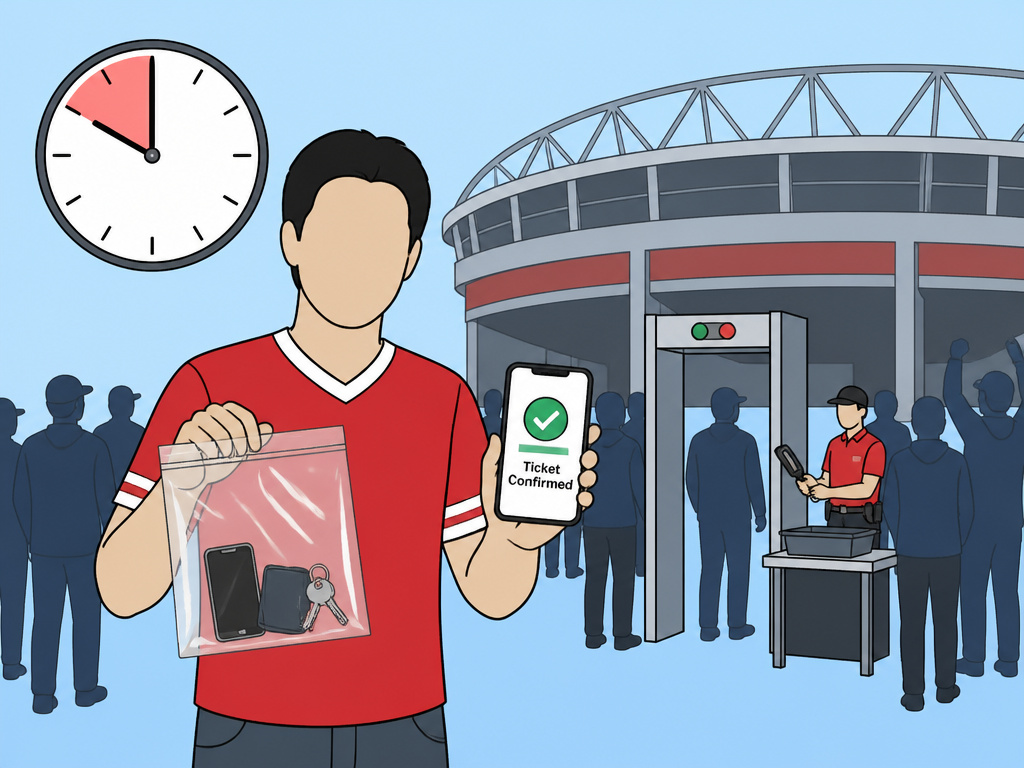
Inside, expect a festival atmosphere but with strict security. FIFA’s stadium security screening procedures will be in effect, which are more thorough than a typical NFL game. Clear bags are a near-certainty. Arrive at the stadium gates at least 90 minutes before kickoff to clear security and find your seat without stress.
The fan walk from the Sports Complex station to the stadium gates is part of the experience. It’s a half-mile of packed crowds, vendors, and music. Wear comfortable shoes. That walk will feel much longer after 90 minutes of tense football and possibly extra time.
Historical Context: From 1994 to 2026
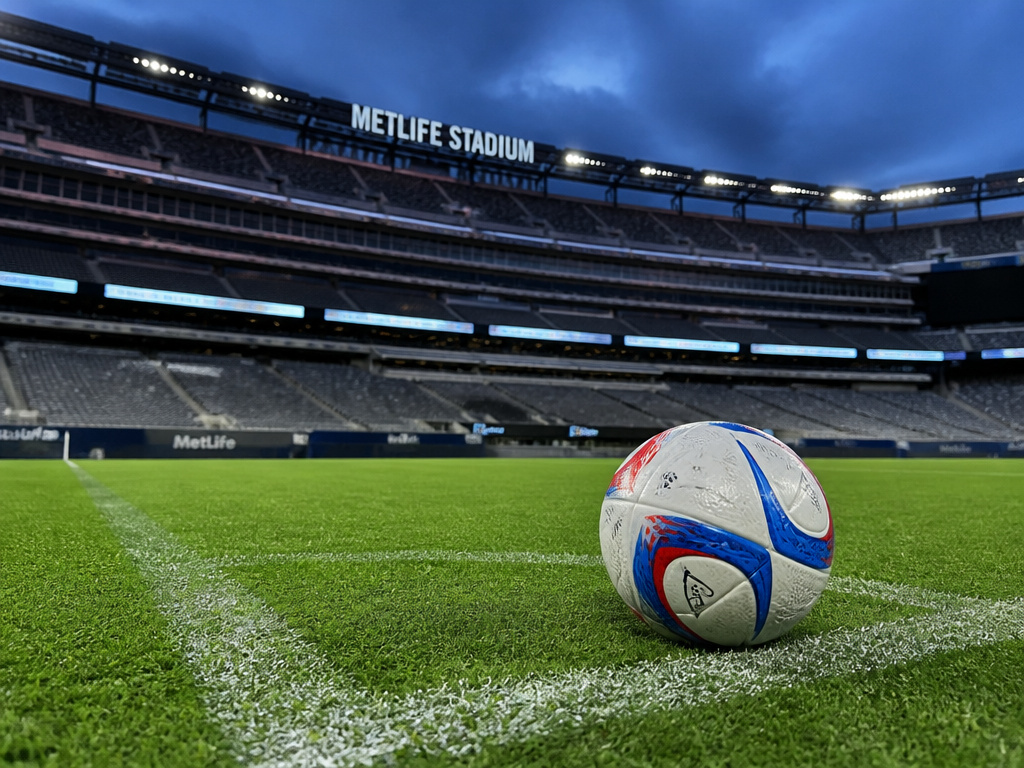
The last time the World Cup was in this region was 1994. Games were played at Giants Stadium, which stood on almost the same site as MetLife does now. That tournament is credited with launching professional soccer in the United States. The 2026 edition is about cementing its place.
Back then, the American football field was a novelty for the world. Now, these stadiums are standard venues for international matches. The conversion process is refined. The fan base is ready. This isn’t about introducing the sport anymore. It’s about showcasing its American maturity on the biggest stage.
The legacy will be measured in infrastructure. The transit upgrades, the stadium modifications, and the local organizing experience will outlast the tournament. Future international events will benefit.
TL;DR: The 1994 World Cup proved the U.S. could host. The 2026 World Cup at MetLife will prove it can host the final perfectly.
Frequently Asked Questions
When is the 2026 World Cup Final at MetLife Stadium?
The final is scheduled for July 19, 2026, with a 3:00 PM Eastern Time kickoff. It is the last match of the tournament and the only final held in the United States.
Can I drive and park at MetLife Stadium for a World Cup match?
General public parking will not be available. A very limited number of pre-paid parking passes will be sold to certain ticket holders, but the official guidance is to use public transportation. Dedicated event trains and buses require a special pass linked to your match ticket.
What is the official name of the stadium for the World Cup?
FIFA officially lists the venue as “New York New Jersey Stadium” in all its schedules and materials. However, for all practical purposes, transportation signs, local directions, and stadium operations, it will still be called MetLife Stadium.
How do I get from New York City to MetLife Stadium for a match?
The primary route is via NJ Transit to Secaucus Junction, then a transfer to a dedicated “Sports Complex” train service for ticketed fans. Special event buses will also run from locations like the Port Authority Bus Terminal. You must purchase a separate event transit ticket using your FIFA match ticket confirmation.
Which teams will play in the knockout stage matches at MetLife?
The specific teams for the Round of 32 match on June 30 and the Round of 16 match on July 5 will not be known until the group stage concludes. Your ticket is for the slot, not for specific teams.
Are there any other World Cup matches in New York City?
No. All matches for the New York New Jersey host region will be played at MetLife Stadium in East Rutherford, New Jersey. There will be fan festivals and events in New York City, but no actual matches.
The Bottom Line
MetLife Stadium is ready for its moment. The schedule is set, the transportation plan is strict, and the world will be watching. Your planning starts with a match ticket and ends with a transit pass. Get those two things in order the day they become available. Everything else, where to stay, what to see, flows from that.
The group stage matches are your chance to see giants like Brazil and France on the road to the final. The knockout games are a lottery with a massive payoff. And the final is history. Book your hotel based on whether you want convenience or chaos. And wear shoes you can stand in for five hours. The rest is football.
I come from the “soccer heart” of Germany, the Ruhrpott. I have played, trained and followed soccer all my life and am a big fan of FC Schalke 04. I also enjoy following international soccer extensively.