World Cup Safety & Security Guide: What You Need to Know
World Cup 2026 security is a coordinated, multi-layered operation across 16 host cities in three countries, managed by national agencies like the FBI, RCMP, and SEDENA alongside local police and FIFA’s own protocols. The biggest threats are not stadium breaches but opportunistic crime, cyber fraud, severe weather, and the logistical chaos of moving seven million fans. Your safety hinges on understanding that risk varies drastically by city and preparing for a five-hour journey from hotel to seat.
Most fans picture security as a ring of fences and police around the stadium. That’s the part they get wrong. The real challenge is everything outside that ring: the packed subway car, the crowded fan zone, the fake ticket listing, and the June heatwave. Planning for the match without planning for the journey and the environment is how trips get ruined.
This guide breaks down the official security architecture, the tangible threats you will face, and the non-negotiable steps every attendee must take. We will move from the high-level coordination between nations down to the specific risks in Mexican, American, and Canadian cities, finishing with a actionable checklist for your visit.
Key Takeaways
- Security risk is not equal across host countries. Mexico carries a “high degree of caution” advisory from multiple governments due to violent crime, while Canada is rated the safest. Your planning must be city-specific.
- Arrive at the stadium 2-3 hours before kickoff, and budget another 2-3 hours for travel. Road closures and transit surges make the total journey from hotel to seat a five-hour operation.
- The most likely problems are petty theft and digital scams. Use an RFID-blocking wallet, avoid public Wi-Fi for transactions, and only buy tickets from FIFA’s official platforms.
- Extreme summer heat is a confirmed operational hazard. Matches can be suspended. Carry water, wear sunscreen, and know the location of cooling stations within the venue.
- A massive network of temporary surveillance cameras will be active in host cities like Vancouver and Toronto, with footage potentially shared with FIFA and private contractors under strict protocols.
The Unprecedented Scale Demands a New Playbook
The 2026 tournament is a logistical monster. Forty-eight teams will play 104 matches over 39 days, from June 11 to July 19. Seven million ticket holders will move between 16 cities spread across three nations with different laws, police forces, and threat levels. The knockout stages concentrate in the U.S., but the opener is in Mexico City and the final is at MetLife Stadium in New Jersey.
This scale breaks traditional security models. You cannot just copy the plan from Qatar or Russia. The “illusion of the fence line” is dangerous thinking. The primary security environment is not the stadium bowl. It is the transit hub, the pedestrian corridor, the vehicle screening perimeter two miles away, and the digital space where fake hotel listings appear.
Coordination for an event of this magnitude relies on harmonized intelligence sharing across federal, state, and local agencies in the U.S., Canada, and Mexico. This layered approach, emphasizing proactive threat disruption over reactive measures, is drawn from recent analyses of successful major-event security, such as the West Point terrorism center analysis of the Paris Olympics.
TL;DR: The tournament’s three-country, 16-city sprawl makes transit and crowds the real security battleground, not the stadium gate.
The Layered Security Machine: Who Is In Charge?
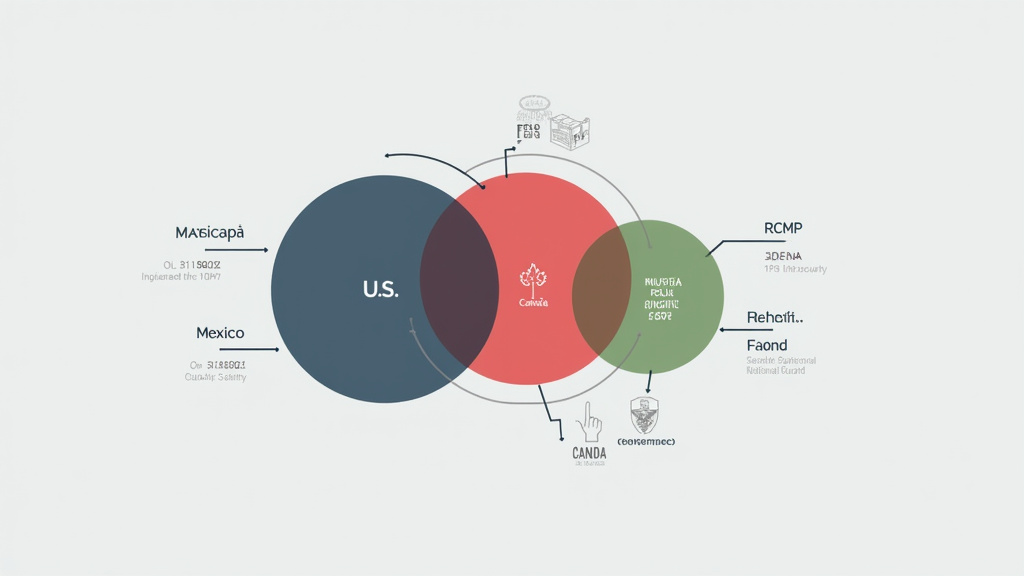
No single entity runs the show. Think of it as a series of overlapping circles of responsibility. If something happens, which circle responds first depends on where you are and what the incident is.
At the outermost ring are national agencies. In the U.S., the FBI and Department of Homeland Security (DHS) lead on counter-terrorism and border security. Canada’s Royal Canadian Mounted Police (RCMP) and Public Safety Canada coordinate national intelligence. In Mexico, the Secretariat of National Defense (SEDENA) and the National Guard play prominent roles. These groups have been sharing intelligence for years already.
The next ring is the host city police and emergency services. The Atlanta PD, Dallas PD, Vancouver Police, and Mexico City Police own the streets and immediate response. They have received specific training and funding, like the Canadian government’s commitment of up to $145 million for Toronto and Vancouver operations.
Inside the stadium perimeter, FIFA and its designated private security contractors take the lead on venue procedures: bag checks, access control, and crowd flow. Their rules are absolute. This is also where the massive investment in host city infrastructure becomes critical, as modern venues are designed with integrated security in mind.
| Security Layer | Primary Responsibility | What They Control |
|---|---|---|
| National Agencies (FBI, RCMP, SEDENA) | Counter-terrorism, cross-border intelligence, major incident response | Airspace, national threat alerts, inter-agency coordination |
| Local Police & Emergency Services | Street-level security, first response, traffic management | City streets, public transit, hospitals, crowd control outside venues |
| FIFA & Venue Security | Stadium safety, access control, fan conduct inside the venue | All points of entry, bag policy enforcement, seating sections, pitch invasions |
| Private Sector Partners (Hotels, Transit) | Frontline observation, reporting suspicious activity | Hotel lobbies, taxi queues, retail areas around venues |
The system only works if these layers communicate in real time. A hotel clerk noticing suspicious behavior needs a clear path to report it to the right law enforcement channel. This integration of the private sector as “frontline sensors” is a key evolution in tourism security planning.
What Are the Biggest Security Threats at World Cup 2026?
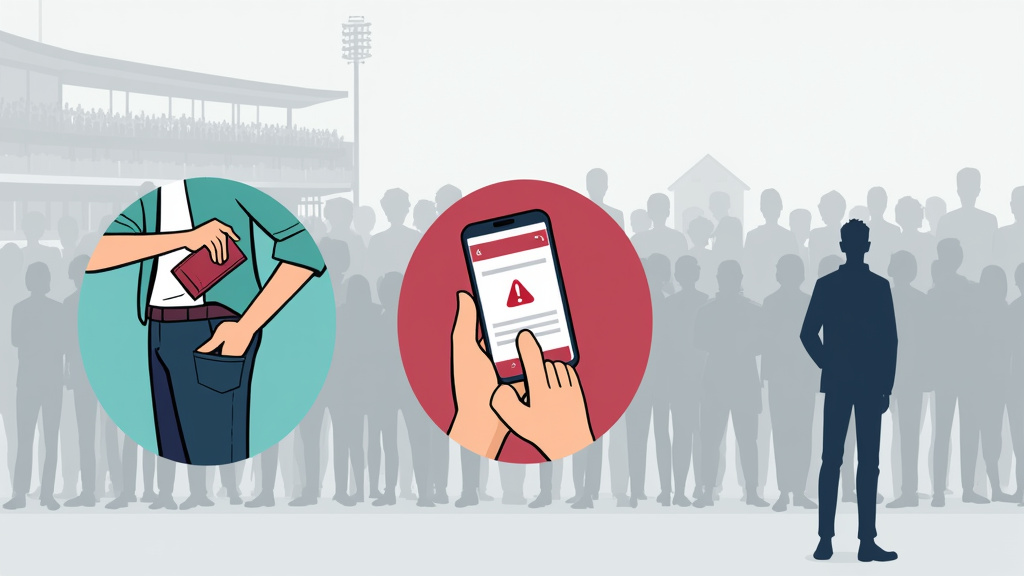
Forget Hollywood scenarios. The threats that will actually affect fans are more mundane, but just as disruptive.
Opportunistic Crime: Pickpocketing, bag snatching, and ticket scams thrive in dense, distracted crowds. It is a fact of mass gatherings. The digital version is phishing emails offering fake ticket deals or fraudulent accommodation listings. This is where your personal vigilance is the first and best defense.
Lone-Actor Terrorism: Security agencies globally are most concerned about an individual or small group exploiting the crowded, symbolic environment. The intelligence-led, proactive disruption seen at the Paris Olympics is the model here. Visible security is a deterrent, but the unseen work of monitoring and intercepting threats is what prevents attacks.
Cyber-Targeted Fraud: This is a major growth area. Fans using unsecured public Wi-Fi to check banking or ticket details are low-hanging fruit. Fake mobile apps mimicking official FIFA services will harvest login credentials. The solution is straightforward: use a VPN, enable two-factor authentication, and double-check every URL.
Severe Weather: This is a guaranteed operational challenge. Summer in North American host cities means heatwaves and sudden thunderstorms.
Common mistake: Ignoring the weather forecast — extreme heat above 30°C (86°F) can cause match suspensions, and being caught without water or shade leads to medical emergencies before halftime.
Organizers have weather contingency plans, but your personal preparedness is non-negotiable.
Drone Threats: This is the new, high-tech worry. A drone swarm could disrupt play or pose a physical risk. Authorities are known to be procuring detection and disabling technology. You can expect temporary, strict no-fly zones around stadiums on match days.
Logistical Chaos: This is not a traditional security threat, but it creates vulnerable conditions. When hundreds of thousands of people are all trying to use the same train line or highway at once, systems break down. Crowds get frustrated, tempers flare, and emergency vehicles cannot get through. Your best weapon is patience and a brutally generous timeline.
A City-by-City Risk Breakdown
Your safety planning starts here. The blanket idea of “North America” is useless. The risk profile in Vancouver is fundamentally different from the one in Guadalajara.
Canadian Host Cities (Toronto, Vancouver): Lowest Risk.
Both cities are rated “Exercise normal safety precautions,” the safest level by Global Affairs Canada and others. Violent crime rates are lower than in major U.S. cities. The primary concerns are pickpocketing in crowded downtown areas and the logistical strain on transit. A specific, visible security measure will be the deployment of hundreds of temporary CCTV cameras in areas tied to World Cup events, a requirement of the host city infrastructure agreement with FIFA.
United States Host Cities (11 cities, including NYC, LA, Dallas): Variable Risk.
The U.S. State Department does not have a uniform advisory for its own cities. However, foreign governments like Australia’s Smartraveller rate the U.S. as “Level 1 – Exercise normal safety precautions.” The reality is more granular.
* Mass Gathering Risks: Stampedes, crushes, and heat exhaustion are significant threats in any large U.S. crowd, as seen at other major events.
* Violent Crime: This varies wildly. Research your specific city. Street crime in certain neighborhoods of some host cities is a real concern.
* Mass-Casualty Incidents: The U.S. has a history of mass shootings. While stadiums are hardened targets, the threat informs the visible security posture you will see everywhere.
Mexican Host Cities (Mexico City, Guadalajara, Monterrey): Highest Risk.
This requires clear, direct planning. The Australian government advises “Level 2 – Exercise a high degree of caution due to the threat of violent crime.” Canada’s advisory notes high levels of violent crime and kidnapping.
* Criminal Activity: Organized crime groups operate in these regions. While they are unlikely to target tourists en masse, incidental violence or scams are a real possibility.
* Mitigation is Key: Stay in well-known tourist and event zones. Use official, pre-arranged transportation only. Do not display expensive jewelry or electronics. Your vigilance must be highest here, especially during the opening ceremony security period in Mexico City.
| Host Country | General Advisory Level | Primary Threats for Fans | Key Mitigation Step |
|---|---|---|---|
| Canada | Level 1 – Normal Precautions | Petty theft, transit overcrowding, protest activity | Use CCTV-aware vigilance, guard belongings in crowds. |
| United States | Level 1 – Normal Precautions | Mass-gathering incidents, opportunistic crime, extreme weather | Arrive extremely early, know emergency exits, monitor weather alerts. |
| Mexico | Level 2 – High Degree of Caution | Violent crime, kidnapping, scams targeting tourists | Use only official transport, stay in prescribed zones, avoid night travel. |
Your Personal Safety Playbook: 7 Non-Negotiable Rules
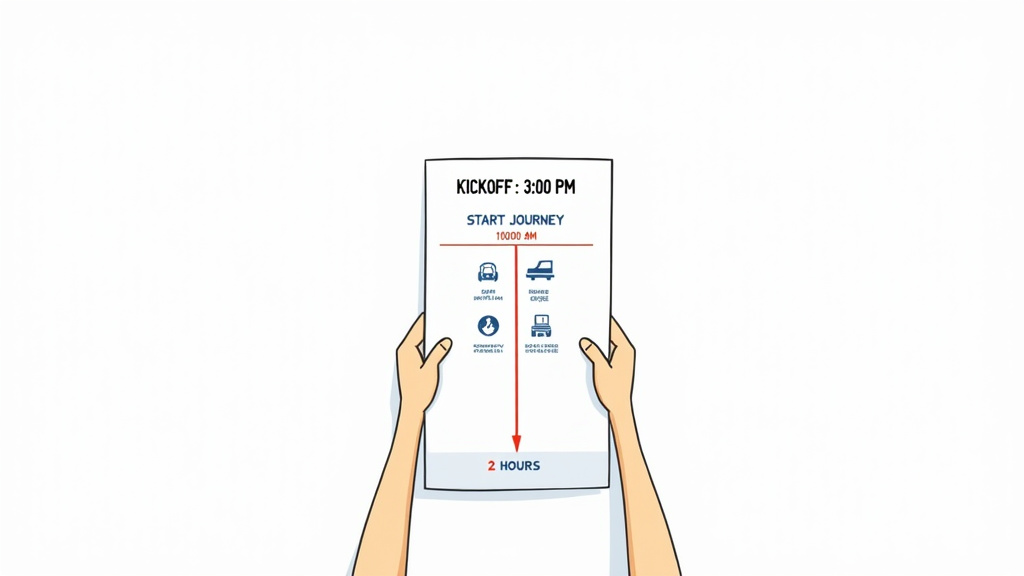
This is the actionable part. Follow these rules as if they were official competition regulations.
- Treat match day like a transatlantic flight. Your journey starts five hours before kickoff. Two to three hours for travel through closed roads and packed transit, plus two to three hours for security lines and finding your seat. Missing this timeline is the number one reason fans miss kickoff.
- Buy nothing from unofficial sources. Tickets, hotels, tours—only use FIFA’s official platforms or extremely well-known, reputable agencies. If a deal on social media seems too good to be true, it is a scam. This protects you and supports the financial distribution structure of the tournament.
- Go digital, but shield yourself. Use the official FIFA app for tickets and alerts. Enable two-factor authentication on every account. Never use public Wi-Fi for anything financial—use a VPN. Carry a portable charger; a dead phone is a major safety liability.
- Pack for the physical battle. Comfortable shoes. A refillable water bottle (empty upon entry). High-SPF sunscreen and a hat. A small, clear bag that meets stadium policy. The sun in Dallas or Kansas City in June is relentless, and extreme heat protocols exist for a reason.
- Secure your person. Use an RFID-blocking wallet or pouch. Wear your bag across your body, not on one shoulder. In crowds, keep your phone and wallet in front pockets, not back pockets. Be aware of your surroundings, not just your phone screen.
- Know how to get help. Save local emergency numbers in your phone (911 in U.S./Canada, 066 in Mexico). Identify uniformed security and information booths the moment you enter a venue. Familiarize yourself with the latest 2026 developments on communication channels.
- Have a rendezvous plan. Cell networks will be overloaded. Designate a specific, easy-to-find meeting spot inside and outside the stadium in case your group gets separated. A specific gate, a landmark statue, a named bar.
I learned this the hard way at a major tournament years ago. I bought a secondary-market ticket for a knockout match. It scanned fine at the gate. I found my seat, only to be confronted by the legitimate ticket holder twenty minutes later. My ticket was a sophisticated duplicate. Security escorted me out. I missed the game and lost my money. Now, I only use the official, verifiable platform. Every time.
Special Considerations: Drones, Data, and Disabilities
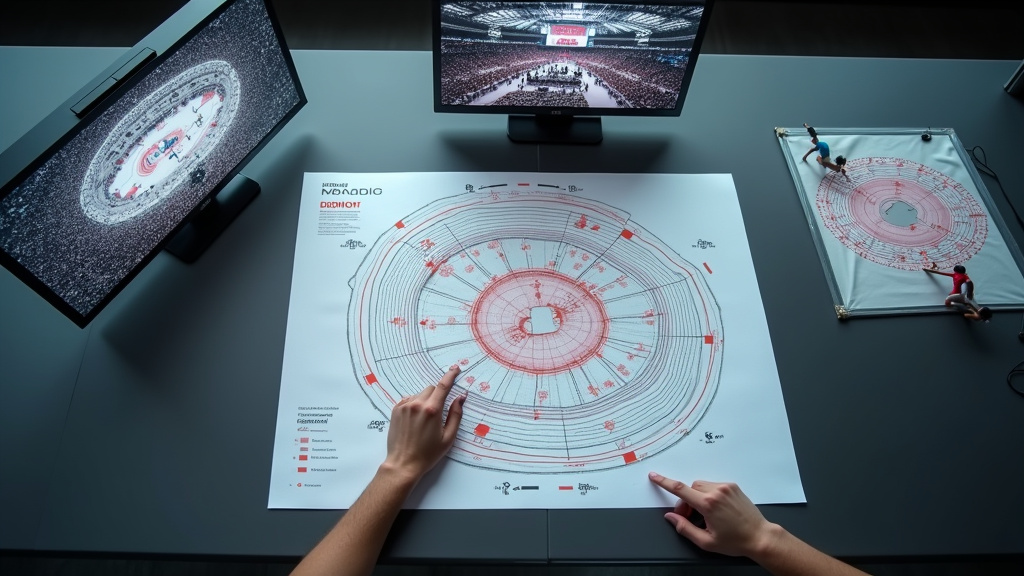
Three areas deserve extra attention because they represent new or often-overlooked challenges.
The Drone Problem: You will see signs declaring stadiums and surrounding areas “No Drone Zones” on match days. Authorities have the legal backing and technology to disable unauthorized drones. Do not even think about flying one for a photo. The consequence is immediate arrest, confiscation, and potentially being placed on a no-fly list.
Privacy and Surveillance: In Canadian host cities, temporary CCTV networks are a contractual requirement. The Vancouver Host Committee states footage is for public safety and will be removed post-tournament. However, policy allows sharing with FIFA and security contractors. If you are uncomfortable with this, your option is to avoid the monitored public areas. It is a trade-off of privacy for perceived security, a debate currently underway.
Accessibility and Safety: For fans with disabilities, safety planning has additional layers. Contact the venue accessibility office well in advance to understand emergency evacuation procedures for your section. Identify the locations of accessible refuge areas. Your personal safety plan must account for potentially slower egress in a crowded emergency scenario. The integration of technological safety measures, like advanced communication systems, should theoretically aid in these situations, but never assume.
Frequently Asked Questions
How early should I arrive at the stadium for a World Cup 2026 match?
Plan to be at the stadium entrance 2 to 3 hours before the scheduled kickoff. This accounts for the multiple layers of security screening, which will be more thorough than at a regular club match. With additional travel time, you should leave your accommodation roughly 5 hours before the game starts.
Is it safe to travel between the three host countries during the tournament?
Yes, but it adds complexity. You must ensure you have the correct visa or travel authorization (like an ESTA for the U.S. or an eTA for Canada) before you travel. Allow extra time at border crossings due to heightened security screening. Monitor the match scheduling logistics to avoid overly tight connections.
What is the bag policy for World Cup 2026 stadiums?
While the final policy will be announced closer to the event, expect it to be extremely strict, similar to recent NFL or UEFA finals. Likely rules: small, clear plastic bags only (approx. 12″ x 6″ x 12″), with no large backpacks, purses, or coolers permitted. Check the official guidelines for your specific venue before you travel.
What should I do if I lose my ticket or phone?
Immediately go to the nearest stadium information or ticket resolution booth. If you purchased through official channels, they can often verify your identity and re-issue a ticket. A lost phone is a major security risk—use another device to remotely lock it and wipe sensitive data if possible.
How will I receive emergency alerts during the event?
Official safety alerts will be broadcast over stadium PA systems, on video screens, and pushed through the official FIFA mobile app. Ensure you have downloaded the app and enabled notifications. Local authorities may also use wireless emergency alert systems to phones in the geographic area.
Are there specific health precautions, like for heat?
Absolutely. Summer heat is a primary concern. Stadiums will have free water refill stations, shaded areas, and medical tents for heat-related illness. It is your responsibility to hydrate consistently, wear sunscreen, and seek shade if you feel unwell. Familiarize yourself with the player safety regulations regarding environmental conditions, as they also apply to fan safety.
The Bottom Line
World Cup 2026 security is a giant machine, but you are not just a passenger in it. Your safety depends on recognizing that the machine has different settings in Vancouver, Dallas, and Mexico City. The official preparations are vast, intelligence-led, and layered across three nations. They are designed to stop the worst-case scenarios.
Your job is to handle the likely ones: the pickpocket, the scammer, the brutal sun, and the logistical gridlock. That means city-specific research, a ruthless five-hour travel timeline, digital hygiene, and physical preparedness. Pack your patience with your passport. The greatest threat to your experience is assuming it will be like any other matchday. It will not be. Plan for the scale, and you will be free to enjoy the spectacle.
I come from the “soccer heart” of Germany, the Ruhrpott. I have played, trained and followed soccer all my life and am a big fan of FC Schalke 04. I also enjoy following international soccer extensively.