Training for Soccer Without a Ball: Proven Drills & Workouts
To train for soccer without a ball, you build the physical and mental foundation the game demands: strength, speed, agility, endurance, and tactical awareness. Focus on bodyweight exercises for soccer-specific strength, plyometrics for power, interval runs for match fitness, and shadow play for decision-making. A structured 30-45 minute session, done 3-4 times a week, replaces aimless juggling with targeted improvement.
Most players grab a ball when they can’t get to a pitch. That’s the mistake. Ball work builds touch, but panic in the 85th minute isn’t about touch, it’s about dead legs, a slow turn, and not knowing where to run when you don’t have possession. Your first touch looks brilliant in the garden and vanishes under pressure if your body can’t support the technique.
This guide lays out a full system. We’ll cover the essential exercises, how to structure your week, and how to make your living room as effective as a training ground.
Key Takeaways
- Soccer is a single-leg sport; your training must be too. Prioritize exercises like Bulgarian split squats and single-leg balances over standard bilateral moves.
- Shadow play, moving and reacting to imagined game scenarios, is the single most underused tool for improving tactical IQ and off-the-ball movement.
- Progress is forced through progressive overload. Simply doing the same reps each week maintains fitness; to improve, you must add difficulty via tempo, pauses, or instability.
- A 25-minute focused session beats a 90-minute unfocused one every time. Consistency with clear intent drives more improvement than sporadic, exhausting workouts.
- Your hamstrings are your most vulnerable asset. Exercises like Nordic curl eccentrics are non-negotiable for injury prevention, especially when training solo.
The 4-Pillar Framework for Ball-Less Training
Forget random workouts. Effective training isolates and improves the core attributes that fail you during a match. These are not general fitness goals; they are soccer-specific demands.
Ball-less training develops the physical platform, strength, power, agility, endurance, and the mental software, anticipation, spatial awareness, decision rhythm, that technical skill operates upon. It is the foundation, not the alternative.
The framework breaks down into four interconnected pillars. Neglect one, and the others suffer.
1. Soccer-Specific Strength & Power
This isn’t about lifting the heaviest weight. It’s about building strength that transfers directly to jumping for a header, holding off a defender, and exploding into a sprint. The focus is on lower-body power and core rigidity.
Why it works: Soccer movements are explosive and unilateral. A bodyweight squat builds general leg strength, but a squat jump trains the fast-twitch muscle fibers for vertical leaps. A standard plank builds core endurance, but a hard-style plank with full-body tension mimics the rigid torso needed to shield the ball.
Your essential exercise menu includes:
– Plyometrics for Power: Squat jumps, tuck jumps, and broad jumps. Land softly to absorb force and protect your joints.
– Single-Leg Strength: Bulgarian split squats, alternating reverse lunges, and single-leg glute bridges. The instability forces your stabilizing muscles to work, mirroring game conditions.
– Core for Transfer: Hard-style planks, dead bugs, and Russian twists. The core’s job is to stop motion, not create it, preventing power leakage from your legs to your upper body.
Common mistake: Performing strength exercises with speed instead of control, you sacrifice joint stability and ingrain poor movement patterns that lead to knee or ankle issues within 4-6 weeks.
2. Speed, Agility & Quickness (SAQ)
Raw speed is genetic. Acceleration, deceleration, and change of direction are skills you can train. SAQ drills improve your first-step explosiveness and your ability to lose a marker.
Why it works: Drills like shuttle runs and lateral shuffles train your nervous system to recruit muscle fibers faster and improve proprioception, your body’s sense of position in space. This shaves tenths of a second off your reactions, which is the difference between winning and losing a 50/50 ball.
| Drill | Primary Benefit | Sets & Reps | Key Coaching Point |
|---|---|---|---|
| Shuttle Sprints (5-10-5 drill) | Acceleration & deceleration | 6 reps, 30s rest | Plant your outside foot hard, stay low to change direction. |
| Lateral Shuffles | Lateral quickness & defensive posture | 4 x 20 seconds | Keep hips low, shoulders square; never cross your feet. |
| High-Knee Runs | Leg cycle speed & running form | 3 x 30 yards | Drive knees up to hip height, stay on the balls of your feet. |
| T-Drill | Multi-directional agility | 3-4 full circuits | Focus on sharp 90-degree cuts, not rounded turns. |
Integrating structured agility ladder drills into your warm-up or as a dedicated session sharpens footwork and coordination. The ladder isn’t about learning a dance; it’s about training your brain and feet to communicate at high speed.
3. Aerobic & Anaerobic Endurance
Soccer is a game of repeated high-intensity efforts. You need the engine to sprint in the 1st minute and again in the 90th. This requires training both energy systems.
Why it works: Long, slow jogs build a base aerobic capacity. But soccer interval training, periods of all-out effort followed by brief rest, specifically conditions your body to recover quickly between sprints, just like during a match. It also improves your lactate threshold, delaying the moment your legs feel like lead.
A brutal but effective session is the “Scottish Run” from the Unisport video: place cones at 4m, 8m, and 12m. Sprint to the first cone and back, then immediately to the second and back, then the third and back. That’s one rep. Rest 45 seconds. Do 5-6 reps. You’ll understand the physical demands of soccer by the third set.
TL;DR: Mix one longer, steady-state cardio session per week with 2-3 high-intensity interval sessions to build the complete endurance profile a midfielder needs.
4. Tactical IQ & Mental Conditioning
This is the pillar most players completely ignore. Your brain is your most important piece of equipment. You can train it to see the game faster.
Why it works: Shadow play, physically moving through spaces while visualizing game scenarios, creates neural pathways. When you repeatedly practice checking your shoulder and moving into a channel in your driveway, the action becomes automatic on the pitch. Studying game footage without watching the ball trains your pattern recognition.
I used to rewatch entire Schalke matches focusing solely on the movement of a single central midfielder like Weston McKennie. Where did he go when we lost possession? How did he adjust his shape when the fullback pushed forward? After a month, my own positioning improved more than it had in a year of just playing.
Common mistake: Believing tactical understanding only comes from playing full-sided games. You can study and rehearse the principles anywhere. Reading a soccer tactics guide and then walking through the movements makes you a smarter player.
Building Your No-Bell Arsenal: Essential Exercises & Progressions
Knowing the pillars is one thing. Having a toolbox of exercises you can actually do is another. Here are the workhorses, plus exactly how to make them harder over time.
Lower Body & Power Progressions
These exercises build the engine. Start with the baseline, and move down the progression line as you get stronger.
-
Squat Progression
- Baseline: Bodyweight Squat (3 sets of 15-20 reps).
- Progression 1: Squat with 3-second pause at the bottom (3×10). This eliminates momentum and builds strength in the weakest position.
- Progression 2: Squat Jump (4×8). Focus on maximum height and silent landings.
- Skip it, and you’ll lack explosive power in jumps and struggle to generate force from a deep position, making you easy to push off the ball.
-
Lunge Progression
- Baseline: Alternating Forward Lunges (3×10 per leg).
- Progression 1: Reverse Lunges (3×10 per leg). More glute and hamstring focus, and easier on the knees.
- Progression 2: Bulgarian Split Squat (3×8 per leg). The ultimate single-leg strength builder. Place your rear foot on a chair.
- Why it matters: Lunging is a running motion frozen in time. Improving lunge strength and stability directly improves soccer leg power and stride efficiency.
-
Hamstring & Injury Prevention
- Non-Negotiable Exercise: Nordic Curl Eccentrics.
- How to: Kneel on a soft surface with your ankles anchored under a couch. Slowly lower your chest toward the floor, resisting gravity with your hamstrings for as long as possible (aim for 3-5 seconds). Use your hands to catch yourself. Do 3 sets of 5.
- The consequence: Weak hamstrings relative to quads are the primary cause of strains. This exercise is the most effective bodyweight method to combat it.
Core & Stability Progressions
A weak core is a leaky pipe. All the power from your legs dissipates before it reaches your feet.
- Plank: Move from a standard elbow plank (2x60s) to a hard-style plank: squeeze your glutes, quads, and fists as hard as you can, pulling your elbows toward your toes. Time drops, but intensity skyrockets.
- Side Plank: Add a top-leg lift or a reach-under for rotational challenge.
- Dead Bug: The gold standard for anti-extension. Keep your lower back pinned to the floor throughout. Add a 2-second pause when your arm and leg are fully extended.
Agility & Footwork Drills
You don’t need an expensive ladder. Use tape on the floor or even just imaginary squares.
- In-Out Ladder Drill: The staple for fast feet. Practice until the movement is rhythmic, not frantic.
- Lateral Shuttle: Place two cones 5 yards apart. Shuttle side-to-side, touching the ground at each cone. Go for max touches in 30 seconds.
- Box Drill: Form a square with 4 cones, 5 yards per side. Sprint forward, shuffle left, backpedal, shuffle right to the start. This drill combines all movement patterns.
Integrating these soccer footwork drills 2-3 times a week will noticeably sharpen your quickness training and on-field responsiveness.
A Sample Week of Ball-Less Training
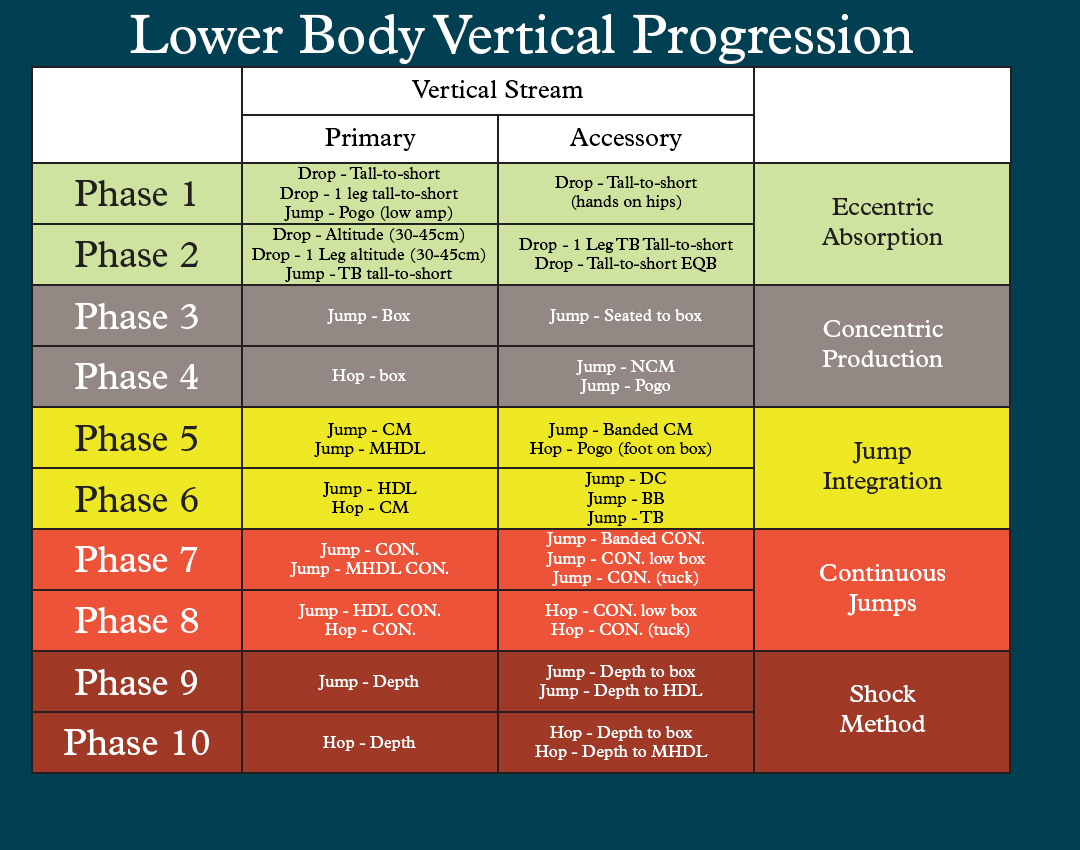
Random workouts yield random results. Here is a balanced, progressive weekly template. Adjust the volume based on your age and fitness level.
Guiding Principle: Never train fatigued quality. Better to do three excellent sessions than five sloppy ones.
| Day | Focus | Session Outline (30-45 mins) |
|---|---|---|
| Monday | Strength & Power | Warm-up (5 min). Circuit: Squat Jumps (4×8), Bulgarian Split Squats (3×8/leg), Hard-Style Planks (3x30s), Nordic Curls (3×5). Rest 90s between circuits. Cool-down. |
| Tuesday | Active Recovery / Tactical | Light jog or walk (20 min). Watch 30 mins of a match, focusing on one player’s off-ball movement. Optional shadow play. |
| Wednesday | Speed & Agility | Dynamic warm-up. Shuttle Sprints (6×5-10-5 drill). Lateral Shuttle drills (4x30s). Agility ladder work (10 min). Cool-down with stretching. |
| Thursday | Rest | Complete rest. Hydrate, focus on nutrition. |
| Friday | High-Intensity Intervals | Warm-up. “Scottish Run” or similar soccer interval training session (20-25 mins of work/rest intervals). |
| Saturday | Game Day or Extended Shadow Play | If playing, this is your performance. If not, do a 30-minute extended shadow play session in a park, visualizing full match scenarios. |
| Sunday | Rest or Light Mobility | Rest, or do 20 minutes of foam rolling and static stretching. |
This template systematically hits all four pillars. It aligns with a comprehensive soccer workout plan designed to build the ideal soccer physique. The key is adhering to the intent of each day.
TL;DR: Structure your week with dedicated days for power, speed, high-intensity conditioning, and tactical work, separated by rest or active recovery. This prevents overtraining and ensures quality.
From Training to Match Day: The Carryover Effect
The final test is translation. How does this work in your living room make you better on the grass?
The carryover happens in three specific ways:
- Strength to Stability: Those single-leg glute bridges directly improve your ability to stand on one leg and strike a ball cleanly. The stability stops you from wobbling as you shoot.
- Agility to Evasion: The sharp cuts from the T-drill become the same move you use to fake inside and go outside a defender. Your body knows the movement pattern.
- Tactical Rehearsal to Automatic Action: The shadow play where you practiced spinning away from pressure? When a defender closes you down in a match, that movement happens before you consciously think about it. It’s rehearsed.
This is why isolated soccer performance exercises matter. You are not just getting fitter. You are programming soccer-specific software into your hardware. When you add soccer speed training and soccer stamina training to the mix, you create a complete player profile.
Common mistake: Expecting immediate, magical improvement after one week. The neurological and muscular adaptations take 4-6 weeks of consistent work to become evident in match performance. Stick with the plan.
Frequently Asked Questions
Can you really get better at soccer without touching a ball?
Yes, significantly. You improve the physical and mental components that underpin technical skill. A player with superior speed, strength, endurance, and game intelligence will outperform a technically gifted player who lacks those attributes every time. The ball work then sits on a much stronger foundation.
How long should each training session be?
Aim for 25 to 45 minutes of focused work, excluding warm-up and cool-down. Quality and intensity trump duration. A brutal 30-minute interval session is far more valuable than a 90-minute casual jog.
What if I don’t have any equipment like cones or a ladder?
Improvise. Use water bottles, shoes, or books as cones. Use tape on the floor or just imagine the squares for ladder drills. For sprint speed exercises, use landmarks like trees or lamp posts. The constraint sparks creativity.
How often should I train like this versus training with a ball?
good balance is 2-3 ball-less sessions and 2-3 technical/tactical sessions with a ball per week. They are complementary, not competing. Your ball-less sessions build the athleticism that makes your ball sessions more effective.
Is shadow play actually useful, or does it just look silly?
It is arguably the most useful tool for solo tactical development. It feels awkward at first. But physically moving through decisions, checking your shoulder, pointing where you want the pass, bending your run, engrains the motor patterns. The brain doesn’t distinguish perfectly between vividly imagined and physically practiced movement.
How do I know if I’m making progress?
Track concrete metrics. Time your shuttle runs. Count how many squat jumps you can do in 30 seconds. Note how long you can hold a hard-style plank. In your shadow play, see how quickly you can recognize and move into space. Improving these numbers means you’re improving as an athlete.
The Bottom Line
Training for soccer without a ball isn’t a compromise. It’s an opportunity to build the athletic and cognitive base that most players neglect. Stop thinking you need a pitch and a partner to improve. Your body and your mind are the only equipment required.
Commit to the four pillars. Follow a structured weekly plan like the one outlined. Progress your exercises deliberately. In six weeks, you won’t just be fitter. You’ll be faster to the ball, stronger in the challenge, and smarter in your movement. The next time you step onto the grass, your teammates will notice the difference, even before you touch the ball.

I come from the “soccer heart” of Germany, the Ruhrpott. I have played, trained and followed soccer all my life and am a big fan of FC Schalke 04. I also enjoy following international soccer extensively.