Total Soccer Field Players: How Many in a Standard Match?
A standard, full-sided soccer match has 22 players total on the field at kickoff: 11 players for each team. This 11v11 format is defined by Law 3 of the official IFAB Laws of the Game and is used from professional leagues down to most adult amateur competitions.
Most confusion comes from mixing up the eleven players actively on the pitch with the larger group of substitutes on the bench or the club’s full roster. A team sheet might list 23 names, but only those eleven are in the game at any one moment.
This guide breaks down the official rules, the critical minimums that can force a game to stop, and how player counts change for youth leagues, futsal, and indoor soccer. You will also see how tactical formations like the 4-4-2 formation distribute those eleven players across the field.
Key Takeaways
- The ironclad rule is 11 players per team on the field, totaling 22.
- A match is abandoned if a team falls below seven players due to red cards or injuries.
- The matchday squad includes substitutes; a World Cup squad had 26 players in 2022.
- Youth soccer reduces counts to promote skill development: 9v9, 7v7, or 5-a-side.
- A team can start a match with only 10 players if one is late, but cannot add an unlisted 11th.
The Standard 11v11 Match: 22 Players Total
Law 3 of the IFAB Laws of the Game states it plainly: a match is played by two teams, each consisting of not more than eleven players, one of whom is the goalkeeper. The game cannot start if either team has fewer than seven players.
The maximum number of players on the field of play at any time is eleven per team. A match may not start or continue if either team has fewer than seven players. One player on each team must be designated as the goalkeeper, who may handle the ball within their own penalty area under the conditions defined in Law 12.
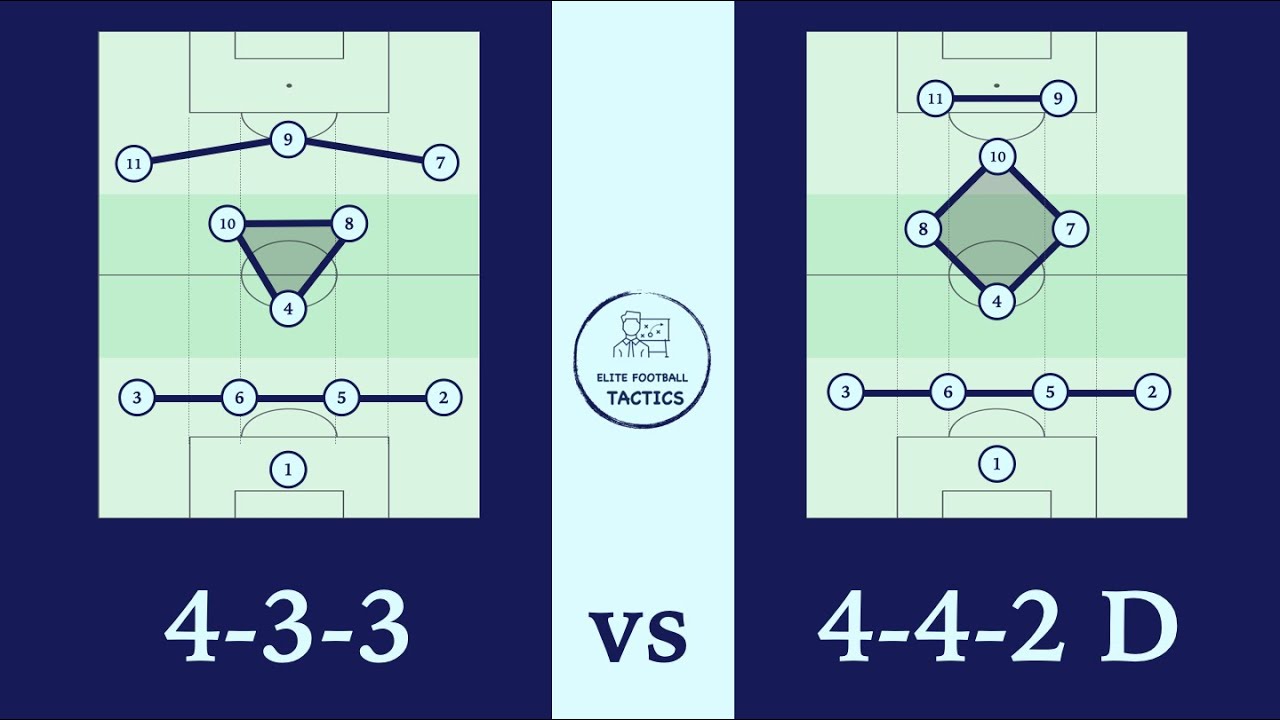
This rule has been the bedrock of association football since the 1860s. The consistency is intentional. It creates a predictable framework for soccer tactics and space management on a pitch that is roughly 100 meters long. Those eleven slots are why formations exist—they are a coach’s way of allocating limited resources. A 3-5-2 formation commits five bodies to midfield control, while a 5-3-2 formation banks on defensive solidity.
TL;DR: Eleven per side, twenty-two total. This number is fixed for all standard adult matches and is the basis for all professional 11v11 formations.
Squads, Substitutes, and the Bench
The eleven on the grass are just the visible part of the team. The matchday squad includes substitute players, and the number allowed has evolved significantly.
Modern professional rules typically permit up to twelve substitutes to be named, with five allowed to enter the match. Major tournaments have pushed these numbers higher. The 2022 FIFA World Cup allowed 26-player squads with five substitution windows. This means while only 22 players are competing, there could be 30 dressed and eligible on the sidelines.
The distinction is crucial for fans reading a team sheet. A player listed among the substitutes is part of the official matchday squad but not part of the on-field count unless they are substituted on. If a coach has used all their substitution windows, they cannot replace an injured player—the team must play short-handed.
Common mistake: Thinking a “23-man squad” means 23 players on the field. The squad size is for the season roster; the matchday list is smaller, and only 11 per team are ever playing at once.
The Absolute Minimum: When a Game Stops
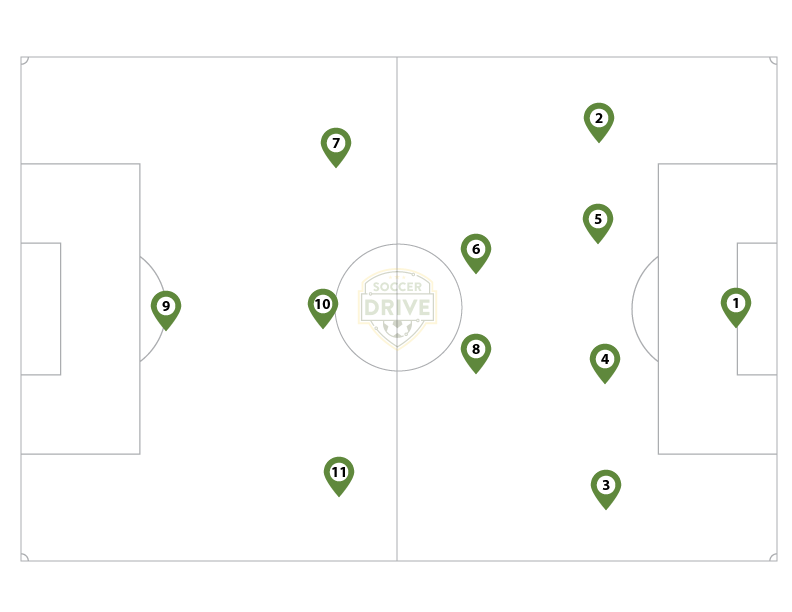
The seven-player minimum is a safety and competitive integrity rule. If a team cannot field at least seven players, the match should not proceed. The referee’s manual clarifies the nuance.
If players deliberately leave the field to force an abandonment, the referee is not obligated to stop play immediately. They can allow the ball to go out of play first. However, if the number drops below seven due to legitimate red cards or injuries that prevent continuation, the referee must abandon the match immediately. I have seen this happen in a lower-league cup tie. Two quick red cards followed by a hamstring injury left a team with only six. The referee blew the whistle right as the injured player was being stretchered off—no waiting.
This rule exists because playing with six or fewer outfield players fundamentally breaks the sport’s structure. The player distance covered becomes unsustainable, and the risk of injury from sheer fatigue skyrockets.
| Scenario | Referee Action | Likely Outcome |
|---|---|---|
| Team starts with 10 players | Match can start. Late player can enter if named on team sheet. | Play continues 10v11. |
| Team drops to 6 players (injuries) | Match is abandoned immediately. | Result may be awarded to opposing team. |
| Team drops to 6 players (deliberate walk-off) | Referee may wait for next stoppage. If still under 7, match is abandoned. | Forfeiture and likely disciplinary action. |
| Team has 12 players on field | Play is stopped. Extra player is removed and shown a yellow card. | Indirect free kick to opponents. |
Youth & Small-Sided Soccer Formats
Young players do not start on a full-sized pitch. Smaller fields and fewer players are used to increase touches, simplify decision-making, and manage physical load. The progression is standardized by national federations.
The switch isn’t arbitrary. A seven-year-old cannot meaningfully cover a full-width pitch. Reducing the player count in 7v7 indoor soccer or 9v9 games ensures each child is constantly involved. It teaches basic player positioning without the overwhelming complexity of an 11v11 formations battle.
| Format | Players per Team | Total on Field | Typical Age Group | Primary Focus |
|---|---|---|---|---|
| 4v4 | 4 | 8 | U6–U8 | Basic ball mastery, 1v1 situations. |
| 5-a-side / Futsal | 5 | 10 | All ages, recreational | Close control, quick passing in tight spaces. |
| 7v7 | 7 | 14 | U9–U12 | Introducing positions, wider pitch play. |
| 9v9 | 9 | 18 | U13–U14 | Transition to full tactics, larger field. |
| 11v11 (Standard) | 11 | 22 | U15+ & Adult | Full soccer tactics and endurance. |
Indoor soccer and Futsal are their own worlds. Indoor often uses six players per side (including the goalkeeper), totaling twelve. Futsal, FIFA’s official indoor game, is always 5-a-side. The smaller, heavier ball and bounded lines make it a game of relentless technique. The lower player count means exhaustion hits faster, which is why rolling substitutions are unlimited.
Officials and Other Bodies on the Pitch

The player count does not include the match officials. A standard professional match has one referee, two assistant referees (linesmen), and a fourth official managing the technical areas. VAR officials are in a remote booth.
You will also see ball boys and girls, medical staff, and sometimes photographers inside the pitch perimeter. They are not participants. Their presence is strictly regulated. A medical team can only enter after the referee signals them on. A ball boy who interferes with play could force a dropped-ball restart.
The referee has the absolute authority to remove any non-player from the field area. I remember a cup semi-final where an overzealous club official kept stepping onto the touchline to shout instructions. After two warnings, the referee stopped play and had security escort him from the dugout. The game is for the twenty-two players.
Frequently Asked Questions
Can a soccer team play with more than 11 players?
No. If a team fields twelve players, the referee must stop play as soon as they notice the infringement. The extra player is removed and shown a yellow card for entering the field without permission. An indirect free kick is awarded to the opposing team from where the ball was when play was stopped.
What happens if a player gets injured and there are no subs left?
The team must continue with fewer than eleven players. The injured player cannot be replaced. If the injury leaves the team with fewer than seven players, the match is abandoned. This is why squad management and fitness are so critical.
Why do youth soccer games have fewer players?
Smaller-sided games like 7v7 indoor soccer are designed for development. Fewer players mean more touches on the ball, more involvement in play, and simpler tactical decisions. It also matches the physical capabilities of children to smaller field dimensions, which are defined by soccer field markings guides for each age group.
Does the goalkeeper count as one of the 11 players?
Yes. The goalkeeper is a mandatory member of the eleven. A team cannot have eleven outfield players and no goalkeeper. If a goalkeeper is sent off and the team has used all its substitutes, an outfield player must put on the goalkeeper jersey and assume the role.
How many players are on a professional soccer team’s full roster?
This varies by league and country. A first-team roster might have 25-30 senior professionals. Only a matchday subset of those (e.g., 18 or 23 players) are eligible for a given game, as outlined in the competition rules and the official soccer match rules PDF published by federations.
Before You Go
The number is twenty-two. It is the first constraint every coach works within when designing a 3-4-3 formation or a defensive block. That count shrinks for youth development and expands on the team sheet with substitutes, but the core equation remains. Understanding this rule is the first step to grasping why formations look the way they do and how a single red card can tilt an entire match. The next time you watch a game, count them. Eleven versus eleven, with everything else built around that simple, enduring fact.

I come from the “soccer heart” of Germany, the Ruhrpott. I have played, trained and followed soccer all my life and am a big fan of FC Schalke 04. I also enjoy following international soccer extensively.