What is Extra Time in Soccer? Rules, Duration & History
What is extra time in soccer? Understand its rules, 30-minute duration, and historical use in decisive matches. See how it differs from stoppage time.
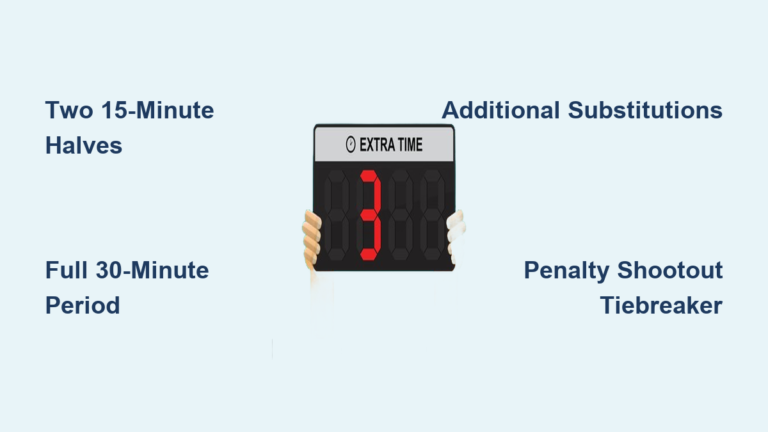
What is extra time in soccer? Understand its rules, 30-minute duration, and historical use in decisive matches. See how it differs from stoppage time.

Learn how injury time is calculated in soccer, who decides it, what events cause delays, and the new rules cutting stoppages from the /27 season.
Extra time vs stoppage time in soccer: what they are, when they’re used, and how they differ. Learn the rules and avoid confusion.
Extra time in soccer is 30 minutes (two 15-minute halves) played only in knockout matches tied after regulation. Learn the rules and when it’s used.
Soccer substitution rules limit teams to 5 substitutes and 3 opportunities in official matches. Learn the exceptions for extra time, youth leagues, and concussions.
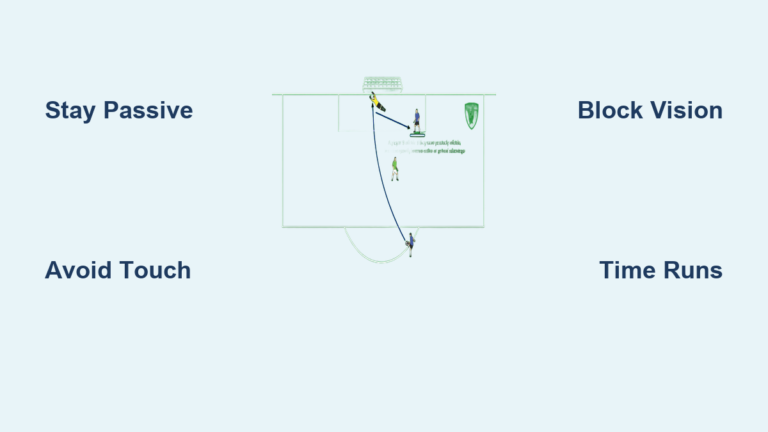
Understand passive vs active offside in soccer. Learn what actions trigger the flag, the new VAR technology, and how defenders use the trap.
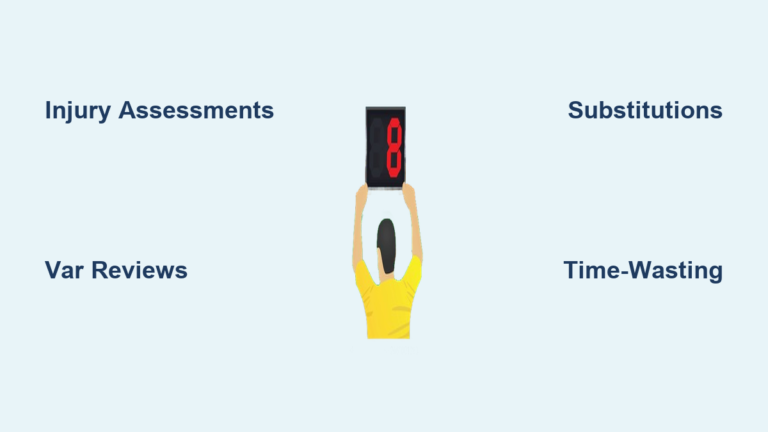
Understand stoppage time in soccer: why it exists, how it’s calculated, and the rules that separate it from extra time. Learn from a lifelong fan.
Halftime in soccer is 15 minutes long, set by IFAB’s Laws of the Game. Learn why it’s mandatory, when it can change, and how it fits into match timing.
A standard soccer match is 90 minutes of play plus a 15-minute halftime. Learn about stoppage time, extra time, and the real-world length of a full game.
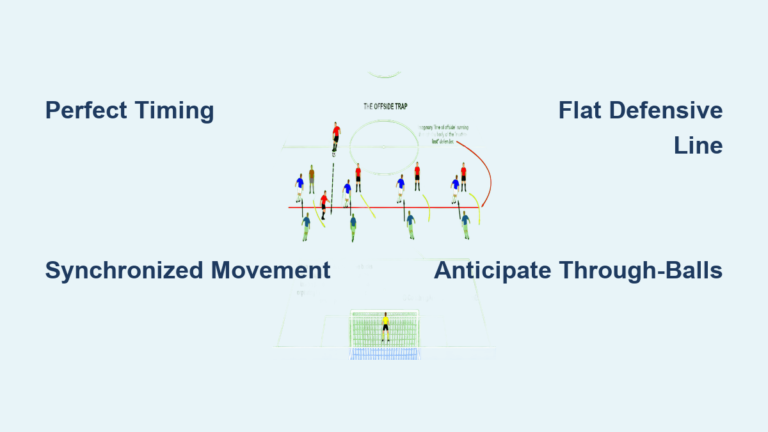
The offside trap is a coordinated defensive move to catch attackers offside. Learn how it works, its tactical purpose, and the risks involved.
Uncover the real history behind soccer’s 90-minute match length. Learn how tradition, physiology, and global standardization shaped the game. Dive in now!

A player is not offside in soccer when level with defenders, in their own half, or receiving from a goal kick. Learn the 5 legal scenarios and key exceptions.