What Are AG Soccer Cleats Used For?
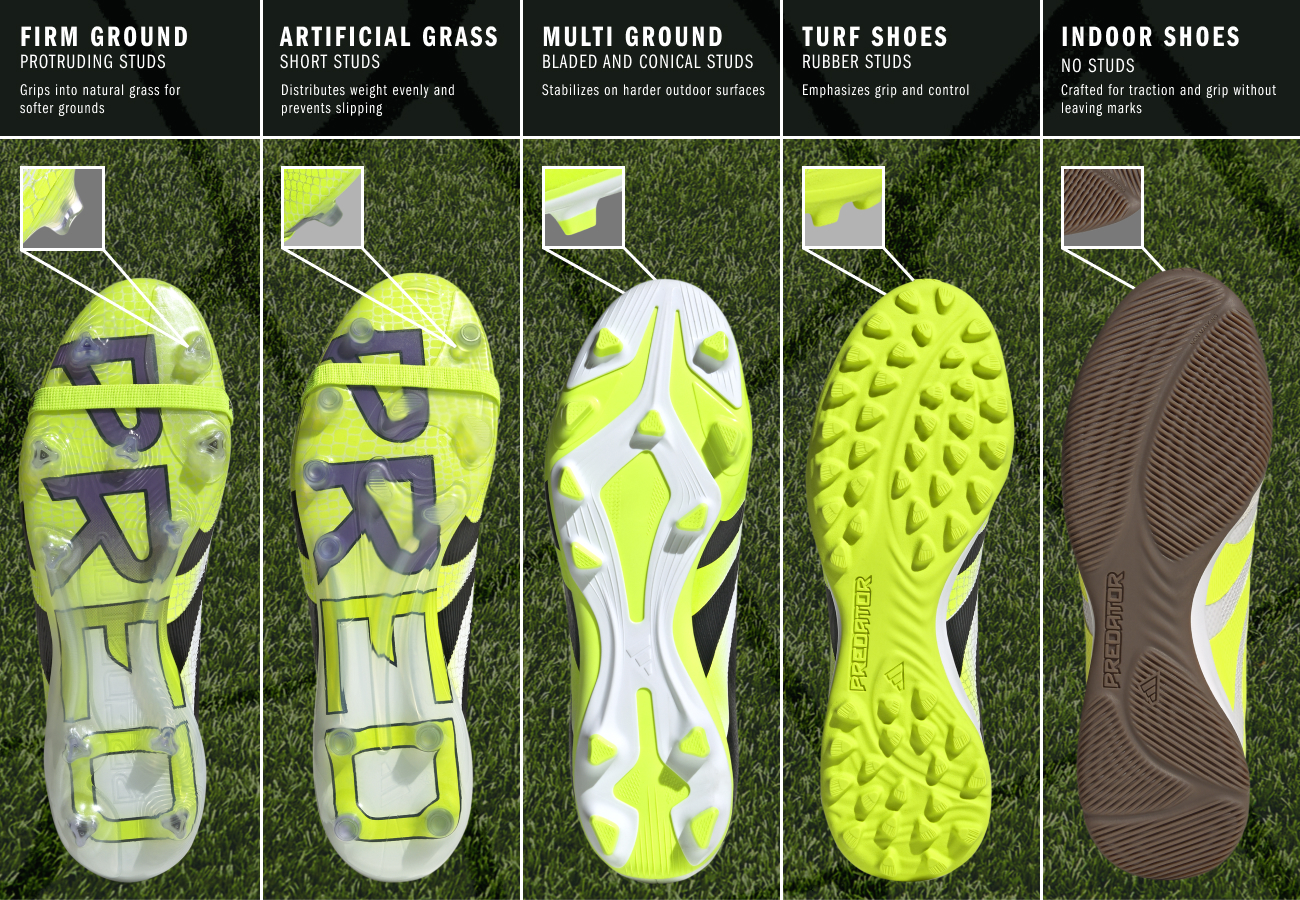
AG soccer cleats are designed for use on artificial grass surfaces. They provide optimal traction, comfort, and performance on synthetic turf, helping players maintain stability and reduce injury risk.
You’re sprinting down the sideline on an artificial turf field when your firm ground cleats suddenly lose traction. That familiar sinking feeling hits as you watch the ball sail past while your feet slide uncontrollably. This frustrating scenario happens millions of times each week to players who don’t understand what AG soccer cleats are used for and why they’re essential for artificial surfaces.
AG (Artificial Ground) soccer cleats solve this exact problem by delivering engineered performance specifically for synthetic fields. While they might look similar to traditional cleats at first glance, these specialized shoes transform how you interact with artificial turf through purpose-built traction patterns and surface-adaptive technologies. Understanding what AG soccer cleats are used for isn’t just about better footwear—it’s about unlocking your full potential while protecting your body from unnecessary strain.
Why Your Regular Cleats Fail on Artificial Turf Fields
Artificial turf creates unique playing conditions that standard soccer cleats simply can’t handle. The rubber crumb infill and dense synthetic fibers of modern 3G and 4G fields behave fundamentally differently than natural grass, causing traditional cleats to underperform or even create dangerous situations.
Surface Interaction Problems with Standard Cleats
When you wear firm ground cleats on artificial turf, the longer studs penetrate too deeply into the rubber infill, creating excessive grip that traps your foot during directional changes. This “sticky” feeling increases rotational resistance by up to 30% compared to natural grass, putting dangerous torque on your knees and ankles with every cut. Players often report sudden jolts through their joints when trying to pivot quickly—a major contributor to ACL injuries on synthetic surfaces.
Performance Limitations You Experience Immediately
The mismatch between standard cleats and artificial turf becomes apparent within minutes of play. You’ll notice reduced acceleration as your longer studs dig into the infill rather than providing clean push-off. Slipping during sharp cuts becomes common as the stud pattern fails to maintain consistent contact with the synthetic fibers. Most frustratingly, your first touch suffers because the unnatural foot positioning affects your balance and connection with the ball.
How AG Cleats Deliver Perfect Traction on Synthetic Grass

AG soccer cleats solve artificial turf’s unique challenges through precision-engineered traction systems that maximize performance while minimizing injury risks. The secret lies in their specialized stud configuration designed specifically for synthetic surfaces.
Shorter Stud Design Science
AG cleats feature 15-20 shorter conical or cylindrical studs strategically positioned across the sole plate—significantly different from the 6-13 longer studs found on firm ground models. These shorter studs (typically 12-16mm) create optimal surface contact without excessive penetration into the rubber infill. As you push off for acceleration, the dense stud pattern grips the top layer of synthetic fibers while allowing natural foot rotation during cuts.
Precision Stud Placement for Position-Specific Performance
Manufacturers engineer AG cleat stud patterns with specific playing positions in mind:
- Forwards benefit from concentrated forefoot studs that enhance explosive acceleration and quick directional changes
- Defenders gain stability from heel and midfoot stud clusters that support physical challenges
- Midfielders enjoy evenly distributed traction patterns that maintain performance during constant box-to-box movement
- Goalkeepers require wider stud spacing for stable platform during diving saves
This position-specific engineering ensures you get exactly the traction pattern your playing style demands on artificial surfaces.
Critical Injury Prevention Benefits You Can’t Ignore
Choosing what AG soccer cleats are used for extends far beyond performance—it’s a crucial injury prevention strategy for anyone regularly playing on synthetic fields. The statistics are concerning: studies show artificial turf increases lower body injury risk by 28% compared to natural grass when players wear inappropriate footwear.
Reduced Joint Stress Through Proper Foot Release
The shorter stud configuration of AG cleats allows your foot to release naturally during pivots rather than getting stuck in the turf. This reduces rotational forces on your knees by up to 40% compared to firm ground cleats, significantly lowering your risk of ACL tears and meniscus injuries. You’ll notice less post-game knee soreness and greater confidence when making aggressive directional changes.
Enhanced Shock Absorption for Long-Term Joint Health
Artificial turf transmits 15-20% more impact force to your joints than natural grass. AG cleats counteract this with specialized cushioning systems built into the sole plate and midsole. These technologies absorb the extra shock during running, jumping, and landing, protecting your knees, hips, and lower back from cumulative damage. Players switching to proper AG footwear often report noticeably reduced post-game soreness.
Position-Specific Performance Advantages You’ll Experience
Understanding what AG soccer cleats are used for reveals position-specific benefits that directly impact your effectiveness on the field. Each playing role leverages different aspects of AG cleat technology to maximize performance.
Attacking Players: Explosive First Step and Quick Cuts
As a forward or winger, your game relies on explosive acceleration and sudden directional changes. AG cleats give you the responsive traction needed for those critical first three steps when beating a defender. The dense forefoot stud pattern provides immediate grip without the hesitation caused by longer studs digging too deep into the infill. You’ll maintain better balance during close-control dribbling as the cleat allows natural foot flexion on the firmer surface.
Defensive Players: Stability During Physical Challenges
When you’re defending, stability is everything—especially during 50/50 challenges and aerial duels. AG cleats deliver a wider, more stable base through their shorter stud configuration that prevents unwanted foot rotation during physical contact. The even pressure distribution across your foot gives you confidence when committing to tackles, knowing your footing won’t betray you on the artificial surface.
Training Versus Match Day Applications
What AG soccer cleats are used for extends beyond just match days—they’re essential tools for effective training on artificial surfaces, which now account for over 60% of practice facilities in developed soccer markets.
Technical Training Benefits on Consistent Surfaces
Artificial turf provides more predictable ball behavior than natural grass, making it ideal for technical training. When you wear proper AG cleats during these sessions, you develop movement patterns optimized for the surface you’ll likely compete on. The consistent traction allows you to focus entirely on technique rather than compensating for unstable footing. Many professional academies now use AG cleats exclusively for training, even when matches occur on natural grass, to build reliable muscle memory.
Match Day Performance Optimization
On game day, proper footwear becomes even more critical. AG cleats give you the confidence to perform at your highest level without second-guessing your footing. You’ll notice immediate improvements in:
- Acceleration out of turns
- Balance during shooting motions
- Stability when receiving passes under pressure
- Confidence making aggressive plays
This mental edge—knowing your cleats won’t fail you—often makes the difference between hesitation and decisive action.
Long-Term Health and Economic Benefits
The value of understanding what AG soccer cleats are used for extends beyond immediate performance to long-term health and financial considerations.
Protecting Your Body Through the Season
Regular use of proper AG cleats significantly reduces the cumulative stress on your joints from artificial turf’s harder surface. Youth players who consistently wear appropriate footwear develop healthier movement patterns without the unnatural joint stress caused by mismatched cleats. Over a season, this protection translates to fewer nagging injuries and more consistent performance as fatigue doesn’t compound with joint pain.
Cost-Effective Investment Despite Higher Initial Price
While AG cleats often carry a 10-15% premium over standard firm ground models, they deliver better value for artificial turf regulars. The specialized rubber compounds resist the abrasive nature of synthetic surfaces, extending the cleat’s lifespan by 25-40% compared to using firm ground cleats on artificial turf. You’ll replace your AG cleats less frequently while maintaining optimal performance throughout their lifespan.
Making Your AG Cleat Selection Decision

Choosing the right AG soccer cleats requires understanding what they’re specifically used for and matching those capabilities to your playing needs.
Key Selection Criteria Based on Your Playing Style
When selecting AG cleats, prioritize these factors based on your position and playing style:
- For technical players: Look for thinner uppers and enhanced ball touch features
- For speed-focused players: Prioritize lightweight construction and aggressive forefoot traction
- For physical players: Choose models with reinforced uppers and maximum stability features
- For all-weather play: Select cleats with temperature-adaptive materials
Avoiding Common Selection Mistakes
Don’t fall for these frequent AG cleat selection errors:
- Assuming all “turf” shoes are equivalent to proper AG cleats (many are designed for indoor use only)
- Choosing based solely on appearance rather than position-specific needs
- Using AG cleats exclusively on natural grass (they lack sufficient penetration in softer conditions)
- Ignoring proper fit adjustments needed for AG-specific sole plates
Why Ignoring AG Cleat Purpose Puts Your Game at Risk
Failing to understand what AG soccer cleats are used for isn’t just a performance issue—it actively works against your development and safety. Players who consistently wear inappropriate footwear on artificial surfaces face higher injury rates, reduced technical development, and accelerated equipment wear.
The next time you step onto an artificial turf field, remember that your cleats aren’t just footwear—they’re performance tools engineered to maximize your potential while protecting your body. By choosing the right AG cleats for your position and playing style, you’ll experience immediate improvements in confidence, performance, and comfort that translate directly to better results on the scoreboard.

I come from the “soccer heart” of Germany, the Ruhrpott. I have played, trained and followed soccer all my life and am a big fan of FC Schalke 04. I also enjoy following international soccer extensively.